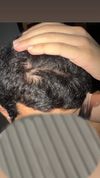
The user is using 0.1% dutasteride, 1% minoxidil with 2% procapil and 0.005% caffeine in the morning, and 1% minoxidil with 2% procapil and 0.01% tretinoin at night. They are concerned about the solution vehicle's effectiveness in preventing systemic absorption and ensuring the products stay around the hair follicles.
The user is seeking alternatives to propylene glycol and glycerin for mixing with RU58841 due to allergies and greasiness. Suggestions include reducing glycerin and considering stemoxydine as a solvent.
The user is using oral dutasteride, topical minoxidil (Regaine foam 5%), and ketoconazole shampoo for hair loss, reporting good results with no significant side effects. The user is 26 years old and applies minoxidil once or twice daily.
The user is excited about their hair regrowth after 10 weeks using oral finasteride, topical minoxidil, ketoconazole, dermarolling, and vitamin D. They've seen significant hair thickening and believe minoxidil and dermarolling are the main contributors to their progress.
PP405 is suspected to be a scam, with users doubting its legitimacy and effectiveness. Many recommend using proven treatments like finasteride and minoxidil.
The conversation discusses using NAC (N-Acetyl Cysteine) alongside minoxidil and finasteride for hair loss, with some users noting potential hairline improvement and increased energy. The original poster reduced their finasteride dosage due to mental decline and anxiety, and while NAC's effects on hair are anecdotal, it is considered low-risk with other health benefits.
The user reported minimal results for the first 7-8 months using finasteride every other day and minoxidil once a day, but recently noticed hairline improvement and increased density. They also started microneedling once a week.
A 25-year-old male with DUPA (diffuse thinning including the donor area) has not seen improvement after 14 months on finasteride. He's considering switching to dutasteride (DUT) after advice from a hair loss YouTuber and is also contemplating trying RU58841.
A 29-year-old shared their crown hair recovery using a daily liposomal topical solution of finasteride and minoxidil, low-level light therapy, and specific vitamins, noting significant improvement without side effects. They experienced issues with oral finasteride previously but not with the topical treatment.
A user's extreme regimen for hair loss, which includes taking oral and topical medications such as minoxidil, dutasteride, cyproterone acetate and bicalutamide, but still experiencing miniaturization. Suggestions were made to try other treatments such as RU58841 and Pyrilutamide, while also considering mental health treatment and advice on lookmaxxing.
The user is experiencing hair thinning and has a vitamin D deficiency, which they suspect might be causing the issue, but they are also considering androgenic alopecia (AGA) as a cause. They are currently using minoxidil and are unable to get finasteride prescribed, while others suggest addressing the vitamin D deficiency and consulting a dermatologist.
The conversation discusses a hair loss treatment regimen involving minoxidil, finasteride, RU58841, JXL069, and nizoral shampoo. The user reports seeing new black dots in areas where hair hasn't grown in years, suggesting potential regrowth.
GHK-Cu is discussed for its potential anti-aging and healing properties, with some users considering its effects on hair growth. One user mentions using Folligen Spray and topical finasteride, noting improved healing but uncertain hair growth results.
Using a Derma stamp with 3-4 contacts per area in multiple directions is effective for hair growth. A 1.5 mm needle with a week's rest between sessions is recommended for optimal healing and results.
A user is seeking recommendations for dermatologists or hair clinics in the Greater Sacramento or Bay Area for exosome treatments, comparing topical application plus microneedling versus direct scalp injections. They are also asking for personal experiences and before-and-after photos.
Increased Malassezia and Cutibacterium in the scalp microbiome are linked to higher sebum production and inflammation in androgenetic alopecia (AGA). Treatments include ciclopirox shampoo, benzoyl peroxide shampoo, clobetasol propionate, calcipotriol, minoxidil, finasteride, and dutasteride.
The conclusion of the conversation is that the user has experienced significant hair regrowth using a combination of medications, including dutasteride, RU58841, and minoxidil. They have not experienced any noticeable side effects and are considering a hair transplant in the future.
The conversation is about finding a legitimate source for RU58841 in Germany, with suggestions including Receptorchem and GeneTherica. Anageninc and Chemyo do not deliver to Germany.
The user is using RU58841 twice daily, dutasteride 0.5mg every two days, dutasteride mesotherapy every three months, and 20mg oral minoxidil daily. Other users suggest this regimen is excessive and recommend adding microneedling and ketoconazole shampoo.
User on fin, minox, and ketoconazole seeks to add another topical anti-androgen. Hierarchy of effectiveness: 1. RU55841, 2. Fluridil - Eucapil, 3. CB-03-01 - Breezula, 4. Ketoconazole; alfatradiol suggested as addition.
The user has been using finasteride and minoxidil, then switched to dutasteride and minoxidil for six months without significant results, noticing thinning after increasing creatine dosage. They plan to consult a dermatologist to explore potential causes beyond androgenetic alopecia.
Alfatradiol is discussed as a weak 5ARI and estrogen, not as effective as minoxidil, RU58841, or CB-03-01, but a safe alternative for those who can't use finasteride. Users express frustration over the lack of strong FDA-approved topical antiandrogens for hair loss.
A user shared their successful hair loss and gray hair reversal routine, which includes Minoxidil, Cetirizine HCl, Latanoprost, Dutasteride, Melatonin, Caffeine, Tretinoin, Vitamin D3, and Vitamin E. They also use a red light cap, oral Minoxidil, and are developing new treatments.
User asks if stacking Alfatradiol and Fluridil is effective for hair loss. Alfatradiol is a weaker, topical 5ar inhibitor, while Fluridil is an anti-androgen preventing DHT binding to hair follicles.
The post and conversation are about a user's 6-month progress using topical dutasteride, 8% minoxidil, tretinoin, 2% ketoconazole shampoo, microneedling, oral finasteride, pumpkin seed oil, Vitamin D3, a men's multivitamin, rosemary oil, and 5% minoxidil foam for hair loss treatment.
A user plans to stop Dutasteride to conceive a child, seeking advice on hair maintenance. Suggestions include switching to Finasteride, but many emphasize prioritizing child safety.
The conversation is about someone wanting to import RU58841 or CB-03-01 from China for hair loss treatment but being concerned about receiving counterfeit products. Specific treatments mentioned are RU58841 and CB-03-01.