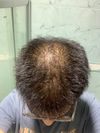
The user plans to use 1% Koshine826, 0.1% Alfatradiol, Minoxidil with Tretinoin, microneedling, and Stemoxydine for hair loss treatment. They expect significant recovery with this regimen.
KX-826 may cause increased hair loss for some users, leading to concerns about its effects. One user reported no issues but also no hair regrowth, only maintenance.
The user experienced hair loss and started using minoxidil (5%) and finasteride (0.5 mg daily) with inconsistent application but still saw noticeable improvements by the end of January. They use the liquid form of minoxidil.
A 25-year-old is using 1mg oral finasteride daily, 2.5mg oral minoxidil daily, and ketoconazole shampoo twice a week for hair loss, with little to no side effects. They experienced initial shedding but have seen positive results and plan to resume microneedling.
A user noticed their hair became curly after using ketoconazole shampoo and wonders if the shampoo caused the change. They like the new curls and want to maintain them.
A 19-year-old plans to use an experimental hair loss treatment stack including micro-needling, Minoxidil, Pyrilutamide, Ketoconazole shampoo, and other unreleased compounds like PP405. Users advise against using unverified treatments and suggest sticking to proven options like Finasteride, with some recommending topical application to avoid side effects.
A user shared their 5-month progress using 1mg Finasteride and 5% Minoxidil daily, noting significant improvement in their crown with no side effects. They started treatment in January after rapid hair loss and advice from Reddit.
A peptide-based hair loss treatment, PP405, reportedly increased hair density by 62% in 90 days, but these claims are unverified and met with skepticism. Users compared PP405 to Minoxidil and Finasteride, expressing doubts about its effectiveness without more evidence.
The conversation discusses whether to use finasteride for hair loss, considering its role in inhibiting DHT and 5AR, which can affect brain function and mood. Some users report anxiety and depression from finasteride, while others do not experience these side effects and emphasize the importance of DHT for brain and prostate health.
The conversation is about the anticipated release date of phase II results for a hair loss treatment called GT20029 and the cautious optimism surrounding it due to past disappointments with similar treatments. Users expect an update in the next few months.
The conversation is about managing allopregnanolone deficiency caused by 5-alpha-reductase inhibitors like finasteride or dutasteride. Specific treatments discussed for hair loss include Minoxidil, finasteride, and RU58841.
A 24-year-old tried minoxidil, finasteride, keto shampoo, and derma-rolling for hair loss but saw no improvement and is now at Norwood 5. They feel there's nothing more they can do and are considering going bald despite not liking the look.
The conversation discusses using liquid cetirizine as a topical treatment for hair loss. It mentions Minoxidil, finasteride, and RU58841 as other treatments.
Creatine does not cause hair loss, but it may accelerate it in those predisposed to male pattern baldness. The study suggests that creatine does not affect DHT or hair loss, but individual reactions may vary.
The conversation discusses RU58841, a compound for hair loss treatment, which was found to be effective in a 6-month trial but was not pursued due to financial issues or marketability concerns, not safety. Some users are considering crowdfunding to release the research data, while others discuss personal experiences and safety concerns with RU58841.
Everychem's solution, similar to PP405, has mixed results for hair regrowth, with some users reporting improvements and others seeing no change or worsening hair loss. Users are sharing experiences and updates to determine its effectiveness.
A 19-year-old male plans to start finasteride due to hair thinning after using creatine. He seeks advice on finasteride's effectiveness, especially for Asians.
A 33-year-old is experiencing positive hair regrowth after 4.5 months using 0.5mg finasteride, topical minoxidil, ketoconazole shampoo, and a 0.5mm derma stamp. They had initial shedding but now see less hair loss, with no sexual side effects and improved libido.
The conversation discusses diffuse unpatterned alopecia (DUPA) and its possible causes, including sensitivity to DHT, not being androgenic alopecia, being diffuse alopecia areata, or hormonal issues. Treatments mentioned include topical melatonin, Clobetasol Propionate for alopecia areata, and the lack of results from using finasteride, dutasteride, and minoxidil.
A new hair loss treatment called TDM-105795 is discussed as a potential replacement or add-on to Minoxidil. Users express hope for new effective treatments.
A 15-year-old is experiencing hair loss and is considering treatment options. They are aware they cannot use DHT blockers like finasteride due to their age and are exploring other causes like Telogen Effluvium.
The user experienced improved hair density and thickness after using finasteride and dermarolling for 2.5 years but noticed hair loss when doing anaerobic exercise. They increased their finasteride dose and continued dermarolling but are considering not starting minoxidil due to its perceived hassle and uncertain long-term benefits.
Low vitamin D levels can negatively impact hair growth, and supplementing with vitamin D, along with treatments like finasteride and minoxidil, may help improve hair health. Quitting smoking and ensuring adequate vitamin B12 and K2 intake are also suggested to support hair regrowth.
The conversation discusses the delay in the release of a new hair loss treatment, Pyrilutamide, and speculates on potential safety concerns as a reason for the delay. It also mentions GT20029 as another future treatment option, with a release at least five years away, and touches on the avoidance of research chemicals due to uncertainty about their authenticity.
A Phase 1 update for the HMI 115 clinical trial, which involves 16 participants and is expected to end in July 2023; as well as changes to the recruitment process, including treatment protocols with Minoxidil, Finasteride, and RU58841.
The user is experiencing hair loss after a hair transplant and is considering using fluridil (Eucapil) and possibly alfatradiol as treatments, as they couldn't tolerate finasteride or minoxidil. The manufacturer of Eucapil confirmed they won't produce higher concentrations due to lack of efficacy.
Several new hair loss treatments are in development, with Cosmo Breezula and Kintor KX826 being the furthest along, expected to be commercialized by 2027. Veradermics is the only treatment in pill form, while others like KX/GT/Breezula will be topical.
A Swiss product called Redensyl, which is supposed to target hair follicle stem cells and has recently been marketed in Europe. The post inquires if anyone has had any experience with the product.