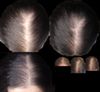
A user started taking 0.625mg oral minoxidil daily for hair loss, increased the dose to 1.25mg, and experienced a significant shed, losing 70% of scalp density. They cannot tolerate finasteride due to side effects but are hopeful for hair regrowth despite the shedding.
The conversation discusses whether stemoxydine needs to be used for life for hair loss treatment. One user suggests that stemoxydine does not require lifelong use and can make hair exit the resting phase faster, but the benefits may be temporary.
Creatine may cause hair shedding in some individuals, particularly those with genetic sensitivity to hair loss, but this is not universally experienced. Finasteride users report mixed results, with some experiencing resumed shedding when taking creatine.
Winlevi (clascoterone 1%) is being discussed as a potential hair loss treatment. Users are considering its use despite concerns about its delivery method.
A 31-year-old man feels depressed due to hair loss, using topical finasteride and previously tried minoxidil. Others suggest treatments like finasteride, minoxidil, hair transplants, or embracing baldness, highlighting the importance of mental health and self-acceptance.
Topical finasteride concentrations are likely much higher than necessary for effective follicular DHT suppression, with current standards being 100-1000 times above the theoretical minimum. Lower concentrations (0.001-0.0025%) might still work locally while minimizing systemic exposure.
The conversation discusses the differences between KB solution and PG + Ethanol solution for RU58841 in treating hair loss. It compares the effectiveness and properties of these two solutions.
Cecred hair drops, containing keratin and biotin, are questioned for their effectiveness compared to proven treatments like minoxidil. Users express skepticism, suggesting deceptive marketing and the possibility of undisclosed use of other treatments like finasteride.
A person has been using finasteride, minoxidil, OM, dutasteride, and RU58841 for hair loss for various durations but is still experiencing constant shedding and thinning. Suggestions from others include checking for potential nutritional deficiencies.
Melatonin's effect on aromatase expression is unclear, with studies showing both increases and decreases. Hormonal impacts are complex and inconsistent, similar to changing health advice on other substances.
GeneTherica is discussed as a source for RU58841, with ordering possible via WhatsApp. The conversation focuses on the legitimacy of this supplier for hair loss treatment.
A 25-year-old male with seborrheic dermatitis and hair thinning seeks advice on the severity of his condition and treatment options. Oral finasteride and oral minoxidil are recommended as the most effective long-term treatments.
Hair loss can cause psychological distress, but maintaining optimism and self-improvement is crucial. Treatments like minoxidil, finasteride, and potential new options like clascoterone offer hope, though side effects can occur.
A naturally occurring sugar, 2-deoxy-D-ribose, may promote hair growth by forming new blood vessels. There is skepticism about its effectiveness and concerns about potential side effects, with some users comparing it to existing treatments like Minoxidil and finasteride.
Scientists discovered a sugar gel, 2dDR-SA, that increased hair growth in mice. Users discussed its potential, comparing it to other treatments like Minoxidil and finasteride.
A new potential hair loss treatment called HMI-115, and the cost of this treatment which may be expensive due to production costs but could be competitive with other treatments such as hair transplants.
A 30-year-old woman with a history of anemia and low vitamin D experienced hair shedding, which improved after addressing nutrient deficiencies. Despite regrowth of terminal hairs, her dermatologist recommended treatments like minoxidil and spironolactone to prevent future bald spots, but she is cautious due to family history of hormone-related cancers.
A 24-year-old male experienced hair loss despite using minoxidil and finasteride, later switching to dutasteride, higher-dose minoxidil, iron supplements, and derma stamping, which initially improved his condition. However, after moving to a stressful environment and undergoing minor surgery, his hair loss rapidly increased, particularly on one side of his temple.
Exosomes are being considered for hair regrowth after using finasteride and minoxidil, with skepticism about their effectiveness and high cost. Users discuss administration methods like injections and microneedling, but concerns about pricing and potential scams are prevalent.
Low testosterone and estradiol may contribute to hair loss, and blocking DHT without sufficient hormone levels might hinder regrowth. The discussion highlights the importance of hormone balance, with some considering supplements and lifestyle changes to support hair health.
Hot weather can increase hair shedding, possibly due to dehydration and active sebaceous glands. Using shampoos with salicylic acid or zinc pyrithione may help; daily anti-inflammatory use is not recommended.
The conversation is about finding a clearnet vendor for clascoterone, also known as Winlevi, for hair loss treatment. The user is seeking recommendations via direct message.
The conversation discusses scalp itching and tenderness after microneedling, despite using medicated shampoos and proper sanitation. The user plans to see a dermatologist and is concerned about possible infection or allergic reaction.
Japanese scientists discovered ABM cells, enabling successful human hair follicle cloning, potentially curing hair loss. The treatment may be available in Japan by 2028, but it will be expensive and require travel.
The conclusion of this conversation about hair loss is that genetics play a significant role in determining hair loss, and specific treatments like finasteride may not be effective against certain compounds like masteron and trenbolone.
The conversation discusses skepticism about the effectiveness and formulation of a $10 RU58841 gel from a Korean brand, questioning if ethanol is used to hold the active compounds. Concerns are raised about the feasibility of selling it at such a low price.
Balding can be traumatic for many, affecting self-esteem and social interactions, while others accept it more easily. Treatments mentioned include finasteride, minoxidil, and RU58841.
A hair loss treatment protocol involving topical and oral medications such as Minoxidil, RU58841, Finasteride, Dutasteride, Melatonin, Zinc, Vitamin B6, NAC, Caffeine, Biotin, Ginseng, and Semen; other treatments including Microneedling, Laser Helmet, Nizoral shampoo, Scalp Massage and supplements like Vitamin C, Vitamin D, Fish Oil, and Biotin; and the potential side effects of using this protocol.