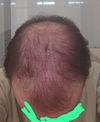
The conversation is about organizing hair regrowth results using a standard format in a single post for easier access. Treatments mentioned include oral minoxidil, oral finasteride, and dermarolling.
Slow, steady progress on hair loss treatments such as finasteride, minoxidil, microneedling and Nizoral; the need for patience when using these treatments over a period of months or years; and how to deal with discouragement due to slow progress.
Feeding bacteria-free mice with Lactobacillus murinus worsened hair loss, but a regular diet with biotin stopped it. The conversation suggests gut bacteria and diet may influence hair loss, with some skepticism and discussion about other factors like DHT and genetics.
A new hair loss protocol using FDA-approved topical treatments targets eight pathways, potentially improving results by 60-75% compared to the standard 40-50% from oral minoxidil and finasteride. The protocol includes minoxidil, finasteride, tacrolimus, cetirizine, bimatoprost, lithium gluconate, losartan, melatonin, NAC, caffeine, and tretinoin, with a monthly cost of $35-50 in Mexico and $80-150 in the US.
A 20-year-old experiencing hair thinning became depressed and sought treatment. The new dermatologist prescribed a routine including topical minoxidil, finasteride, derma stamping, Nizoral shampoo, rosemary oil, and scalp massages.
Why androgenic alopecia affects the scalp rather than other body parts, potential explanations for this phenomenon, treatments available to combat hair loss, and the implications of male attractiveness in modern society.
The conversation discusses the progress and potential of hair cloning by Stemson Therapeutics, questioning if it will be realized in the next 5-10 years or if it's just false hope. Specific treatments mentioned include Minoxidil, finasteride, and RU58841.
The post discusses using at-home Dutasteride mesotherapy for hair loss, combined with topical minoxidil, microneedling, and a red laser cap. The user reports initial shedding, thicker hair, and a temporary dip in libido as side effects.
Scientists discovered a sugar gel, 2dDR-SA, that increased hair growth in mice. Users discussed its potential, comparing it to other treatments like Minoxidil and finasteride.
PTD-DBM therapy for hair loss is being developed by Dr. Kang-Yell Choi, with human testing planned in South Korea. Some clinics in the U.S. offer PTD-DBM/valproic acid therapy, but it hasn't completed trials yet.
The conversation discusses using peptides BPC-157 and TB-500, combined with microneedling, to potentially enhance hair regrowth. The user plans to try BPC-157 due to its lower cost and reports of hair growth, despite limited human trials and concerns about side effects from other treatments like minoxidil and finasteride.
A user is creating a custom topical hair regrowth serum using minoxidil, bimatoprost, tretinoin, castor oil, and hyaluronic acid. They are also using dutasteride, oral minoxidil, and castor oil in their current regimen.
RT1640, a combination of cyclosporin A, minoxidil, and RT175, is discussed as a potential treatment for hair regrowth and repigmentation. The unique formulation aims to enhance hair follicle growth and restore hair pigment without the negative side effects of immunosuppressants.
Stopping finasteride may reduce water retention or alter fat distribution, leading to a leaner face. Hormonal changes, like reduced DHT or increased estrogen, could cause these effects.
Hair loss in moms can be caused by hormonal changes, stress, genetics, and nutritional deficiencies. Solutions include hair toppers, Minoxidil, PRP therapy, and a healthy diet with supplements.
Melatonin at a 0.0033% concentration shows results for hair loss when used topically. A user is discussing how to replicate this by adding 2mg of Melatonin to 60ml of Minoxidil solution.
2-Deoxy-D-Ribose is discussed as a potential hair loss treatment, but skepticism exists due to lack of human testing. The original poster uses a combination of topical Minoxidil, oral Finasteride, topical RU58841, and other treatments, reporting some hair regrowth but not significant results.
Barcelona goalkeeper Ter Stegen's hair growth regimen, which is believed to include a transplant and other treatments such as finasteride, minoxidil, PRP injections, DUT injections, and possibly stem cells.
Finasteride may affect blood sugar and metabolism, with some users reporting increased blood sugar and changes in body composition. To manage potential side effects, users suggest exercise, intermittent fasting, and dietary adjustments.
Users discussed experiences with Everychem's solution similar to PP405 for hair loss, noting some positive results like increased hair thickness and new growth. There was skepticism about the product's legitimacy and safety, with some users reporting early signs of effectiveness and others expressing concerns about the lack of evidence and safety profiles.
A user shared their natural hair regrowth routine that includes using a peppermint oil and coffee shampoo, applying liquid silica, taking vitamin D and magnesium supplements, exercising regularly, and maintaining a healthy diet. They believe this routine has stopped their hair loss and improved hair thickness without using pharmaceuticals.
High dose niacin (1000mg daily) seems to have halted hair loss but did not regrow lost hair. The user plans to continue due to additional benefits like lower stress and higher good cholesterol.
The conversation is about finding a conditioner suitable for thinning hair, with the original poster currently alternating between a caffeine shampoo and Nizoral every two days but not using any conditioner.
The user is using a hair regrowth treatment plan that includes finasteride, microneedling, minoxidil foam, ketoconazole shampoo, and piroctone olamine shampoo. They are seeking advice on the effectiveness of their regimen and dosage of finasteride, and are curious about others' experiences with piroctone olamine.
A Phase 1 update for the HMI 115 clinical trial, which involves 16 participants and is expected to end in July 2023; as well as changes to the recruitment process, including treatment protocols with Minoxidil, Finasteride, and RU58841.
A breakthrough in hair follicle cultivation using induced pluripotent stem cells (iPSCs) has been achieved, producing large hair follicles suitable for transplantation. Clinical trials for this hair multiplication technology are planned in partnership with Yinguan Biotechnology.
The conversation is about a hair loss treatment regimen using high concentrations of natural ingredients: pumpkin seed oil, saw palmetto, rosemary and peppermint essential oils, and caffeine. The user also practices microneedling, scalp massage, and takes Nutrafol.
The conversation discusses the potential for developing a biologic "DHT sponge" to neutralize DHT in the bloodstream as a treatment for hair loss, suggesting it could be more targeted and have fewer side effects than current treatments like finasteride and dutasteride. Concerns include the complexity, cost, and potential side effects of such a treatment, as well as skepticism about its feasibility and market interest.
Hair loss may be linked to blood flow and inflammation, with treatments like Minoxidil, finasteride, and quercetin being discussed. The conversation also mentions the role of 5AR enzyme distribution in hair follicles.
The conversation is about finding the best method to lower scalp prolactine, with suggestions like P5P and Melatonin. The user also mentions HMI115 as a potential treatment and seeks feedback from those who have tried these methods.