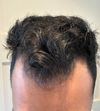
User fought hair loss with Derminator microneedling, topical and oral minoxidil, and a 2000 FUE hair transplant. Derminator was a game changer, preventing further loss.
The conversation discusses hair regrowth results after using finasteride, minoxidil, and dermarolling for four months. Users inquire about dosages and when results were first noticed.
The user experienced significant hair regrowth over 10 months by using 1.5mg oral finasteride and minoxidil daily, along with weekly derma stamping, after a previous hair transplant and initial thinning. The conversation highlights the importance of using DHT blockers post-transplant to maintain results.
Users discuss potential game-changing hair loss treatments in the next 10 years. Some mention KX-826, SCUBE3, and stem cells as promising options, while others express doubt due to past disappointments and lack of focused research.
A young male in his twenties discusses hair loss, mentioning the use of Minoxidil, topical finasteride, and occasional derma rolling. He inquires about scalp inflammation, fibrosis, and the potential benefits of magnesium oil and scalp massages for improving blood flow and hair health.
A trans woman experiencing male pattern baldness has been using Minoxidil and microneedling for 3.5 months, noticing visible hair regrowth. Despite initial skepticism, progress is evident, though a hair transplant might be needed for fuller coverage.
The conversation is about using a DIY topical Cetirizine 1% solution with microneedling for hair loss treatment. Concerns were raised about potential side effects and the effectiveness of Cetirizine for this purpose.
A young individual experienced early hair loss and tried various treatments including Minoxidil, RU58841, micro-needling, and topical finasteride, which stopped the hair loss but did not regrow hair. Ultimately, they found a solution in a hair system, which restored their confidence and allowed them to participate in social activities again.
GT20029 is a topical treatment that degrades androgen receptors to prevent hair thinning and loss, potentially offering fewer side effects than systemic treatments like finasteride. Concerns include its impact on hair texture and potential systemic effects, with market availability speculated in 3 to 5 years.
The conversation discusses using minoxidil and tretinoin for hair loss, with advice on microneedling and topical application timing. Users share experiences with additional treatments like melatonin, spironolactone, and microneedling techniques.
A user discusses the potential of caffeine and DMG in shampoo for treating hair loss, citing a pending patent and personal plans to test it. They find it more convenient than using minoxidil, tretinoin, and microneedling.
The post and conversation discuss different methods of applying hair loss treatments directly to the scalp. The original poster suggests using a 1ml TB Syringe & Ophthalmic Cannula for precise application, while others share their own methods, including sprays, droppers, and simple syringes.
Feeding bacteria-free mice with Lactobacillus murinus worsened hair loss, but a regular diet with biotin stopped it. The conversation suggests gut bacteria and diet may influence hair loss, with some skepticism and discussion about other factors like DHT and genetics.
The conversation discusses hair cloning progress and mentions treatments like Minoxidil, finasteride, and RU58841. Users also talk about hair transplants and their effectiveness.
A person with hair loss due to seborrheic dermatitis saw improvement after treating the condition and using 5mg oral minoxidil, topical minoxidil, collagen, biotin, and vitamins. They are asking if the progress is real, and others have noted the oral minoxidil as a significant treatment.
A user's hair loss treatment progress over the last 6 months using finasteride, minoxidil and dermarolling; other users have commented to ask questions or share their own experiences.
Microneedling daily at 0.3mm combined with topical finasteride and minoxidil is effective for hair thickening, with added benefits from near-infrared therapy. The approach may not improve the front hairline, and deeper microneedling is done monthly for better results.
The user experienced noticeable hair regrowth after using finasteride for 2 years, oral minoxidil for 1 year, and recently starting dermarolling. The right temple shows significant improvement, while the left remains similar.
Researchers at the University of Virginia discovered a new group of stem cells in hair follicles that could potentially restore hair growth. The findings suggest that activating these stem cells might offer a new way to combat hair loss, though practical treatments are still years away.
A 32-year-old shares 2-month progress using oral finasteride, topical minoxidil, and weekly derma stamping for hair loss, noting early improvements and no side effects. Encouragement is given for continued progress.
PP405 targets hair follicle stem cells differently than exercise-induced lactate, suggesting exercise alone may not replicate its benefits. Minoxidil and finasteride are recommended alongside exercise for hair regrowth, with additional suggestions like spicy food and infrared exposure.
The user is considering using Tretinoin every other day alongside daily Minoxidil to manage hair loss and is concerned about inconsistent absorption affecting regrowth. They have noticed a significant reduction in shedding but are unsure if it's due to Tretinoin or the end of the Minoxidil/finasteride shedding phase.
Oral minoxidil is considered more effective for hair regrowth than topical minoxidil, but it carries higher risks. Combining microneedling with topical minoxidil can enhance absorption, but oral minoxidil with microneedling shows significant results.
A 22-year-old is using a hair loss treatment protocol including dutasteride, microneedling, 10% minoxidil, 0.1% finasteride topical, a healthy diet, and a hair multivitamin. Users discuss the effectiveness of microneedling and the intensity of the treatment.
The conversation discusses promising hair cloning research seeking commercialization partners. Cultured hairs formed with pigment, indicating positive progress.
The user experienced rapid hair growth using Minoxidil, Finasteride, and microneedling, with some initial skin irritation from a retinal serum. They stopped microneedling due to limited results but may continue due to positive anecdotal evidence.
33 y/o male used topical fin/min and dermaroll biweekly, resulting in increased hair density and significant regrowth. He got the solution from Hims and also used a DermaPen for microneedling.
The conversation humorously acknowledges the role of mice in testing Minoxidil for hair loss while also discussing the ethics of animal testing. Some users argue against animal testing, citing cruelty, while others defend its necessity for medical advancements.
The conversation is about using Minoxidil and microneedling for hair regrowth. Some users notice a difference, while others attribute changes to lighting, angle, or hair styling, and suggest waiting longer for noticeable results.