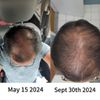
A 44-year-old male is using topical minoxidil twice daily and experimenting with topical and oral melatonin for hair regrowth. A user noticed increased density on the crown and mid scalp.
The user experienced good hair regrowth over a year using finasteride every other day and topical minoxidil. Some users suggested additional treatments like derma stamping or switching to oral minoxidil for better results.
Microneedling frequency and depth, with suggested protocols involving 0.3mm every day before applying topical treatments like Minoxidil or Finasteride, and 0.5-1.5mm once or twice a month for wounding.
The user is undergoing Mesotherapy and Low-Level Laser Therapy for hair loss, with plans for multiple sessions. They are also using oral finasteride, topical minoxidil, dutasteride, and hair fibers.
Hair loss therapies focusing on hair follicle sugar metabolism and aldose reductase. Potential treatments include magnesium supplements, avoiding high glycemic index foods, and antioxidants.
The conversation discusses a comprehensive hair regrowth regimen including Dutasteride, Finasteride, microneedling, RU58841, oral and topical Minoxidil, Tretinoin, and Vitamin D3. Suggestions include dropping Finasteride, increasing Dutasteride, and considering additional treatments like caffeine, melatonin, and laser therapy, while emphasizing the effectiveness of Dutasteride and Minoxidil.
Hair follicles can potentially produce more hair strands with treatments like Minoxidil and finasteride. Notable improvements in hair density are possible, but achieving multiple strands per follicle is uncertain.
Pelage is recruiting for phase 2 trials, showing promise for treating bald regions. The discussion highlights its potential effectiveness based on its mechanism of action.
The user reports potential hair regrowth after using finasteride nightly, minoxidil twice daily, occasional microneedling, and vitamin supplements, and is considering RU58841 in the future. Replies suggest they are seeing improvement.
Applying Epidermal Growth Factor (EGF) topically may improve skin and potentially promote scalp health and hair growth, especially after microneedling. The user shares their positive experience with EGF and provides a product link.
The conversation discusses hair loss linked to BDNF-increasing nootropics like Semax and Lions Mane. Suggested topical treatments include capsaicin, beta-glucan, and ginseng to counteract TGF-B activation.
The conversation concludes that the serum for hair regrowth is likely ineffective and possibly a scam. Effective treatments mentioned include minoxidil, finasteride, and dutasteride, with rosemary as a natural option.
Someone's brother tried Platelet-rich plasma (PRP) for hair loss; it had minimal effect on hair but improved skin appearance. Microneedling at home was suggested as a more sustainable alternative.
The post and conversation are about a user seeing hair regrowth after using Rogaine, rosemary oil, pumpkin seed oil, saw palmetto, microneedling, and LLLT. The user plans to add Nizoral soon and is hopeful about continued progress.
The user is experiencing potential hair regrowth after 4 months of using a minoxidil and finasteride topical spray combined with microneedling 1-2 times a week. They notice some scalp redness and irritation but are unsure if the increased hair density is due to regrowth or longer hair.
A 21-year-old male experiencing hair loss again despite using topical minoxidil (5%) for a year, possibly due to stress-related telogen effluvium. He is advised to continue using minoxidil and consider stress-reduction strategies while consulting a doctor for further evaluation.
OP is using 5% minoxidil and a needler to regrow hair after chemotherapy-induced hair loss. Another user mentions using finasteride and topical minoxidil, noting some improvement in hair density.
Hair follicles don't truly die but become severely miniaturized. Treatments like finasteride, dutasteride, and minoxidil can help restore hair by providing nutrients and reducing harmful effects on hair roots.
The user experienced significant hair regrowth after switching from fake to genuine minoxidil, alongside continued use of finasteride. They advise caution when purchasing minoxidil from Amazon due to the risk of counterfeit products.
The user started using Vitamin D, Vitamin B, Finasteride 1 mg twice a week, and a combination of Minoxidil and Finasteride 3% two months ago for hair regrowth. They are seeking feedback on their progress.
A user shared their 2-year hair regrowth journey using finasteride, ketoconazole shampoo, and a diet change, without a hair transplant. Despite skepticism from others, the user insists the results are natural and encourages consistency and dietary adjustments.
A user successfully regrew hair using finasteride, minoxidil, ketoconazole shampoo, biotin supplements, and rosemary mint oil, despite initial side effects. They highlighted the need for commitment, a healthy lifestyle, and being a "hyper responder" to treatments.
PP405 is a topical gel being tested for hair regrowth in adults with androgenetic alopecia. Volunteers aged 18-55 are needed for a 16-week trial in several US locations.
The conversation is about someone's three-year experience with irregular derma rolling, Minoxidil, and Redensyl for hair loss, hoping to thicken areas with fine hair.
A 24-year-old experienced significant hair regrowth over a year using 1mg finasteride daily and 2.5mg oral minoxidil. The results appear natural without enhancements.
The user is using micro needling, MinFin topical, daily oral minoxidil, and keto shampoo for hair regrowth. They are seeking advice on additional methods to enhance results.
Pelage Pharmaceuticals announced positive Phase 2a trial results for PP405 in hair loss therapy. The conversation discusses the delay in publishing full results and the need for further trials and approvals.
The user noticed hair regrowth after supplementing with vitamin D, magnesium, zinc, and vitamin B12, alongside using minoxidil for 3 years. They observed a lower hairline and improved density, supported by photographic evidence.
Exosomes are not effective for long-term hair regrowth, with users reporting temporary improvements or no noticeable change. Effective treatments include Dutasteride, Finasteride, Minoxidil, and RU58841, with other options like CB-03-01 and Fluridil offering limited benefits.