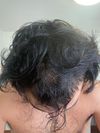
Hair loss affects confidence, with discussions on treatments like finasteride, minoxidil, and RU58841. Emphasis is placed on self-acceptance and building confidence beyond appearance.
Scalp tension from the occipitalis muscle is theorized to contribute to hair loss, but most believe DHT and genetics are the main causes. Treatments like finasteride and minoxidil are considered more effective than addressing scalp tension.
A 27-year-old woman is struggling with hair loss, feeling self-conscious and seeking advice on coping. She mentions trying Minoxidil but is hesitant due to scalp issues and is looking for ways to regain confidence.
Many users experienced increased diffuse thinning after starting finasteride, with some switching to dutasteride or adding minoxidil in hopes of improvement. Thyroid issues and low ferritin levels were also discussed as potential factors affecting hair loss.
A 21-year-old is experiencing hairline recession and is using finasteride, saw palmetto, gelatin, topical minoxidil with retinoic acid, derma stamping, and scalp massage to address it. Suggestions include adding oral minoxidil, vitamin D3 with K2, and maintaining the current regimen for a year.
User noticed black dots along the hairline and temples, questioning if it's regrowth. They are using a regimen including Dutasteride, oral and topical Minoxidil, and a compounded topical treatment.
AH-001 is a new topical treatment designed to degrade androgen receptors, targeting the root cause of androgenetic alopecia without the side effects of oral treatments like finasteride. It has shown a strong safety profile and good local tolerability in early trials.
Hair loss is linked to scalp fibrosis and tension, which result from chronic mechanical stress and androgenic signaling. Treatments include blocking androgens with finasteride, promoting hair growth with topical minoxidil, and improving scalp mobility through exercises.
A 29-year-old is using 5% topical minoxidil, 5 mg oral minoxidil, 1 mg finasteride, Nizoral shampoo, and weekly microneedling to treat hair loss, reporting significant progress in hair regrowth and hairline improvement. The routine includes applying minoxidil twice daily, managing dead skin with shampoo, and using a baseball cap to maintain hair appearance.
The conversation reassures a woman concerned about thinning hair on her crown, suggesting her hair appears normal and not thinning. Some users recommend prenatal vitamins for hair health, while others attribute the appearance to contrast between dark hair and a pale scalp.
The user is using caffeine shampoo with baicapil, microneedling, massage, and procapil lotion for hair loss. Replies suggest the user is balding and recommend finasteride.
An 18-year-old male is experiencing hair loss and is using topical minoxidil and oral finasteride. He is concerned about continued shedding, mild sexual side effects, and whether to adjust his finasteride dosage.
The conversation discusses whether finasteride and minoxidil can help regrow hair at the corners, with one user suggesting that recovery is possible even from worse conditions.
Exploring the idea of using facial hair properties for scalp regeneration in male pattern baldness, considering the potential of transferring androgen-resistant characteristics from facial hair to the scalp. Challenges include complexity, scalability, aesthetics, and safety, but the concept encourages innovative thinking beyond current treatments like Minoxidil, Finasteride, and hair transplants.
Female (37) experiencing hair loss for 5 years, tried max dose of spiro and oral + topical minox without success. Discovered low cortisol and low DHEA levels, seeking functional medicine practitioner for help.
A 21-year-old expresses feeling alone and invalidated in his struggle with hair loss, seeking empathy from others. Some users share similar feelings, while one mentions making progress with dutasteride and minoxidil treatments and considering a hair transplant.
Baricitinib, approved for alopecia areata, might be considered for treating receding hairlines. The discussion is about the possibility of an over-the-counter topical version for androgenic alopecia.
A user shared their 11-year journey with alopecia, using finasteride, dutasteride, and a hair transplant. They encouraged others not to panic, noting that hair miniaturization can take over 15 years to complete.
A 24-year-old shared their 7-month progress using a topical solution of finasteride 0.1%, minoxidil 5%, and hydrocortisone butyrate 0.08%, along with ketoconazole shampoo, to treat hair loss, reporting no side effects and noticeable hair improvement. They also take vitamin D and biotin supplements, use a dermastamp, and manage Hashimoto's without thyroid medication.
A 23-year-old male uses minoxidil and finasteride daily for androgenetic alopecia and is concerned about dandruff, which a dermatologist addressed with two serums. He uses ketoconazole shampoo twice a week to manage scalp issues.
The conversation is about dealing with hair loss during university, with the original poster using dutasteride and minoxidil as treatments. Participants share their experiences and coping strategies, such as wearing hats, considering going completely bald, or getting a hair transplant after graduation.
The user is experiencing sudden hair loss and is considering micro-needling, low-level light therapy, iron supplements, folihair, and Omega 3. They are hesitant to start finasteride, suspecting the hair loss might be due to telogen effluvium from a past COVID-19 infection.
A man lost his transplanted hair despite using minoxidil because he wasn't on a DHT blocker like finasteride, which is essential to prevent further hair loss. The conversation emphasizes that hair transplants are not a cure and require maintenance with medications to preserve results.
Topical melatonin may help reduce hair loss and increase hair thickness in people with androgenetic alopecia (AGA), with some studies showing positive results. It can be mixed with minoxidil for application, and its effectiveness might be enhanced when used with micro-needling, but results may vary among individuals.
A 25-year-old male is experiencing advanced hair loss and is using topical and oral minoxidil, topical finasteride, and vitamin D3, but has not seen significant regrowth. He is considering switching treatments, including oral dutasteride, topical spironolactone, and possibly a scalp biopsy to better understand his condition.
A 21-year-old male experiencing hair loss again despite using topical minoxidil (5%) for a year, possibly due to stress-related telogen effluvium. He is advised to continue using minoxidil and consider stress-reduction strategies while consulting a doctor for further evaluation.
The user is experiencing diffuse shedding but also hairline regrowth after starting finasteride, switching to dutasteride, and using oral minoxidil, ketoconazole shampoo, and RU58841. Other users advise patience, suggesting that the treatments need more time to show results and caution against using too many medications simultaneously.
A user's journey with hair loss and their use of topical finasteride, minoxidil and pyri/minoxidil ratio treatments to attempt hair regrowth. Replies focused on offering support and advice while sharing personal experiences with different treatments.
A 22 year old man who is experiencing hair loss, thinning and dry scalp, has tried treatments such as finasteride and minoxidil, and other users sharing their experiences with similar issues.