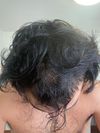
The post discusses the use of El-Cranell, which contains Alfatradiol, and Quercetin as a treatment for hair loss. The user is seeking recommendations on the amount of Quercetin to add to the solution. The conclusion of the document is that Quercetin has been shown to stimulate hair growth and inhibit DHT, and combining it with zinc/copper may have a synergistic effect.
User is using topical Minoxidil (100 mg/day) and Finasteride (1 mg/day) but experiencing hair growth everywhere except the top of the scalp. They seek advice on improving scalp hair regrowth.
A 25-year-old female is experiencing hair loss and has tried PRP, Minoxidil 5% with Biotin, and weekly needling sessions. Her doctor suggested switching to GFC treatment and stopping the needling sessions due to increased shedding, which may be caused by Minoxidil.
A new hair loss treatment theory beyond minoxidil and finasteride is proposed, causing mixed reactions in the community, with some members eager to explore and support it, while others call for more research and evidence.
Hair loss can be distressing, but treatments like finasteride, minoxidil, and scalp micropigmentation can help manage it. Embrace self-improvement, focus on personal goals, and maintain a positive attitude despite hair loss challenges.
The user diagnosed with DUPA tried treatments like dutasteride, finasteride, RU58841, and minoxidil without success and is considering a hair system. They hope for a future cure, possibly with PP405, and others suggest options like scalp biopsy and SMP.
The user has been using a hair loss treatment protocol including topical dutasteride, minoxidil with tretinoin, ketoconazole shampoo, microneedling, a laser cap, and vitamin D for 15 weeks, showing impressive progress. Feedback suggests continuing medical therapy for 12-24 months before considering a hair transplant.
The user has been using finasteride for years with little regrowth and recently started using Cécred edge drops, which have significantly improved their scalp condition. Another user mentioned combining Cécred with derma stamping for better results.
The conversation discusses potential future hair loss treatments, including SCUBE3, hair follicle cloning, and GT20029, with mentions of past disappointments like CosmeRNA and hopes for treatments like Verteporfin for infinite donor hair.
A 23-year-old male had a hair transplant with 3500 grafts and is using finasteride, minoxidil, hair vitamins, and a keto shampoo. He seeks advice on crown regrowth and when to start dermastamping.
The user experienced chronic telogen effluvium and mild male pattern baldness, treated with finasteride, oral minoxidil, and later switched to dutasteride, which stopped excessive hair shedding. Other treatments like low-level laser therapy, hair loss shampoos (except ketoconazole), and supplements were ineffective.
A user with mild psoriasis on the scalp is using finasteride, topical minoxidil, and dermarolling for hair loss but plans to stop minoxidil on the crown due to psoriasis aggravation. Suggestions include switching to a lipid-based minoxidil, using Ketoconazole shampoo, or trying oral minoxidil.
A 22-year-old male experiencing hair thinning has been using topical finasteride and minoxidil since September 2024, with improvement except in the frontal/middle scalp area. He seeks advice on additional treatments and has started scalp massages.
A 24-year-old male started using 1 mg finasteride and topical minoxidil for hair loss in February 2025. By June 2025, he noticed improvement in his right temple but experienced thinning at the crown and continued shedding.
A 20-year-old feels defeated about hair loss and struggles with consistent minoxidil use due to ADHD. They plan to visit an endocrinologist for finasteride and consider shaving their head while continuing treatments.
Topical minoxidil with finasteride can help focus treatment on the scalp, with shedding being normal initially. Foam minoxidil is easier to apply, PRP's effectiveness varies, and anti-dandruff shampoos like ketoconazole are beneficial for scalp health.
A user reports hair regrowth after 8 months using treatments including topical Minoxidil/Finasteride, microneedling, Nizoral shampoo, Pyrilutamide, GHK-Cu/Min topical, and supplements like fish collagen peptides, zinc, and vitamin D3. They've seen progress but slower regrowth in the midsection of the scalp and are seeking advice to improve it.
Hair loss treatments like GT20029, pyrilutamide, and Follica show promise in 2022. Phase 1 and 2 trials are underway, and new hair growth studies have been published.
The user is seeking recommendations for a knowledgeable dermatologist in the Denver/Boulder area to address male pattern baldness, as they are dissatisfied with their current treatment of topical finasteride and are considering switching to dutasteride. They feel their current doctor is not open to exploring different treatments that could improve hairline thickness.
A 30-year-old male with androgenic alopecia started using topical Minoxidil in 2018, Finasteride in 2020, and switched to oral Minoxidil and Dutasteride after Finasteride stopped working. He underwent hair transplants in 2022 and 2025, showing significant improvement in recent photos.
The user has been treating hair loss for 2.5 years using finasteride, dutasteride, oral and topical minoxidil with tretinoin, and microneedling, but is experiencing shedding and is unsure if further improvement is possible. Another person shared a similar experience with no gains despite similar treatments.
The user has been using Dutasteride, Minoxidil, Ketoconazole, and RU58841 for hair loss but sees subpar results. Suggestions include adjusting treatments, considering a hair transplant, and addressing scalp inflammation.
Minoxidil helped with hairline regrowth, but stopping it led to hair loss, suggesting circulation issues. Dermarolling, collagen peptides, and oils like castor and rosemary are recommended for improving hair health.
User discusses a promising topical Procyanidin B2 treatment for hair loss. Users share mixed experiences and mention effective treatments like finasteride, minoxidil, and LLLT.
A user shares their struggle with hair loss despite trying treatments like finasteride, minoxidil, and dutasteride, and expresses frustration over ineffective medical advice and a failed hair transplant. Others in the conversation suggest alternative treatments, acceptance of baldness, and focusing on other life aspects.
Finasteride, minoxidil, dermarolling, and topical antiandrogens are effective for hair regrowth. Future treatments may include CB0301 and hair cloning.
The conclusion of the conversation is that the user "Shakalakaplaka" shares their comprehensive hair loss regimen, which includes various treatments targeting different pathways such as DHT, inflammation, fibrosis, immune system, testosterone, gut problems, and scalp health. The effectiveness of the regimen is not confirmed, and some users express skepticism or request before and after pictures for credibility.
A user's hair loss treatment regimen, which includes minoxidil, ketoconazole shampoo and microneedling; some participants questioned the results due to previous posts about hair transplants, but others agreed that quick results are possible with certain treatments.