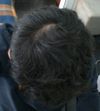
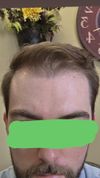
After years of using dutasteride and oral minoxidil without success, the individual decided to shave their head and stop treatment. They considered scalp micropigmentation and hair systems but ultimately accepted their hair loss.
A user who shared progress pictures of their scalp using a microscope camera, demonstrating the difference between healthy and miniaturized hair. Various explanations for the cause of this were discussed, such as DHT build-up in scalp sebum causing an autoimmune response leading to inflammation and eventual hair loss, with some suggesting a do-it-yourself treatment involving adding ascorbic acid powder to shampoo.
Hair follicle stem cells remain in bald individuals, but progenitor cells do not, raising questions about hair regrowth claims by Pelage. PP405 is discussed as a potential treatment, with skepticism about its effectiveness compared to existing treatments like Minoxidil and Finasteride.
A user experienced significant hair loss after starting microneedling, despite using dutasteride and topical minoxidil. They are advised to consult a doctor as the shedding pattern is unusual and may indicate alopecia areata or other scalp conditions.
The user is considering whether to continue using a comb-over to hide thinning hair after a hair transplant, which helped the front but not the crown. They are seeking advice on whether to maintain the current style or change it due to noticeable balding.
Exosomes combined with fractional picosecond laser treatment were effective in treating androgenetic alopecia and promoting repigmentation in white hair patches. The role of exosomes in hair repigmentation, particularly in conditions like poliosis, is not well-studied.
The conversation discusses a hair loss treatment regimen involving finasteride, dutasteride, spironolactone, bicalutamide, oral estradiol, microneedling, and minoxidil. The regimen aims to reduce androgenic alopecia by blocking DHT and androgens, with a caution about potential feminizing effects.
A 27-year-old male is using a regimen of topical finasteride, minoxidil, ketoconazole, and biotin for hair loss, and has recently started oral finasteride despite previous side effects. He is considering shaving his head and is advised that a hair transplant might be possible once hair loss stabilizes.
The user experienced hair thinning after switching from minoxidil to finasteride, capixyl serum, and PRP treatment. They returned to minoxidil and took vitamin B12 and D3 supplements, but their hair remains thinner, and they are unsure about continuing finasteride.
User regrew lost hair using microneedling, minoxidil, finasteride, Nizoral, fish oil, and collagen peptide. Progress was slow but constant, and patience was important.
Hair loss has slowed, but uneven growth and kinking persist despite using keto/nizoral shampoo and clotrimazole. Stress and anxiety might be contributing factors.
The user started balding at 16/17 and tried various treatments including minoxidil, finasteride, and dutasteride with little success. They recently started applying diclofenac gel to their bald areas and noticed some hair regrowth, attributing this to diclofenac's ability to lower prolactin levels and its anti-inflammatory effects.
The user's hair regrowth plan includes topical treatments (RU58841, azelaic acid, ketoconazole), oral supplements (Gia Herbs, castor oil), microneedling, PTD-DBM peptide with valproic acid, red light therapy, inversion table with scalp massage, and platelet-rich fibrin injections. Commenters suggest that finasteride and minoxidil are essential treatments for male pattern hair loss, which are missing from the plan.
A user shared a 17-month update on their hair loss treatment, which included a hair transplant of 2300 grafts, using a topical solution of minoxidil and finasteride, a laser cap, and ketoconazole shampoo. They are considering another transplant and seeking honest feedback on their progress, while others share their own experiences and advice on hair loss treatments.
A 35-year-old shared a 2-month update on their hair transplant of 3153 grafts, noting redness, itching, and some pimples, while using finasteride for over 12 years to maintain hair. Users discussed the effectiveness and timing of starting finasteride, with some suggesting consulting a doctor for young individuals considering the treatment.
Clascoterone lotion, being tested in Germany, is as effective as Minoxidil and Finasteride for hair loss but without serious side effects. About 400 men participated in the trials.
A 23-year-old male is using topical minoxidil and oral finasteride for hair regrowth, noticing some progress on his temples and seeking advice on whether this indicates overall scalp improvement. Users suggest patience, as regrowth can take time, and advise against a hair transplant, noting that the current treatment seems effective.
Quitting minoxidil can lead to significant hair loss, even in areas that were not thinning before, as hair becomes reliant on the treatment. Some users also report losing hair gains when stopping minoxidil despite taking finasteride.
Carnosic acid in rosemary extract may enhance skin repair and promote hair follicle regeneration. It could be used alone or with verteporfin for scarless healing after dermal wounding.
The user experienced hair regrowth and thickening using 1mg oral finasteride, 3mg oral minoxidil, biotin, vitamin D, red light therapy, and microneedling. Some shedding occurred around 4-6 weeks into the treatment.
The potential hair regrowth benefits of ASC-J9, a synthetic modified version of curcumin that is said to be more effective than Minoxidil and Finasteride. Reports from users suggest good thickening and temple regrowth with topical use at 0.025% concentration.
The conversation discusses hair loss treatments, specifically using topical finasteride and minoxidil combined with microneedling, along with supplements like collagen, vitamin C/D, and saw palmetto. The user also mentions using a DHT-blocking shampoo and experimenting with cold showers and contrast therapy for hair health.
A dermatologist recommended PRP (Platelet Rich Plasma) and GFC (Growth Factor Concentrate) for pattern baldness, but online sources suggest they may not be effective. The user is seeking opinions on these treatments.
A user shared their 5-month hair loss treatment progress using oral finasteride, Regaine foam, 2DDR serum, and microneedling, noting improvements in hair growth at the crown and front. They are considering increasing microneedling frequency or adding a shampoo to their routine.
The conversation discusses hair loss treatments, specifically the use of topical minoxidil and derma-stamping, with suggestions to add finasteride or dutasteride for better long-term results. Ketoconazole shampoo is also considered for scalp health.
The user has been experiencing diffuse hair thinning despite using finasteride, minoxidil, dermarolling, clobetasol cream, and PRP sessions. They seek advice on additional treatments and are advised to check vitamin D, iron, and thyroid levels.
A 22-year-old experiencing intense hair loss across the scalp seeks advice, considering factors like nutrition and genetics. Suggestions include checking vitamin, mineral, and thyroid levels.
The conclusion of this conversation about hair loss is that the user, y00sh420, tried various treatments including a $700 lllt helmet, topical minoxidil and finasteride, spectraDNC, and micro needling, but did not achieve the desired results. They have decided to stop trying until a cure for male pattern baldness is found. Other users expressed different opinions on hair loss treatments.
The user has been using finasteride for years with little regrowth and recently started using Cécred edge drops, which have significantly improved their scalp condition. Another user mentioned combining Cécred with derma stamping for better results.