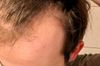
A 26-year-old with a bald spot is seeking advice for hair regrowth, having no treatment history. Suggestions include starting Minoxidil and finasteride to promote growth and reduce hairloss.
The conversation revolves around the psychological impact of hairloss and various treatments. Participants discuss using Minoxidil (Min) and Finasteride (Fin), hair transplants, and therapy for mental health. Some also recommend immediate action at the first signs of hairloss and joining supportive communities.
A 31-year-old man shares his 4-month hair regrowth progress using topical minoxidil, topical finasteride, microneedling, biotin, and other supplements. He reports new hair growth despite experiencing side effects from finasteride and plans to continue his regimen for further improvement.
An 18-year-old is experiencing worsening hairloss, feeling isolated, and considering treatments like Minoxidil and finasteride. Others suggest seeing a dermatologist to determine the cause and potential treatments.
The user is frustrated with hairloss despite using finasteride and is considering a hairpiece as a solution. Suggestions include trying a buzz cut, considering dutasteride or oral minoxidil, and addressing potential dietary issues.
A new drug, PP405, is being discussed as a potential cure for baldness, with hopes it could be more effective than Minoxidil and Finasteride. Users are skeptical about its effectiveness and the need for lifelong use.
The user experienced hair regrowth and stopped hairloss using a natural DHT blocker and later finasteride, despite initial side effects. They plan to add topical minoxidil to address remaining thin spots.
The conversation discusses the role of DHT in male hairloss and the effectiveness of treatments like Finasteride, which reduces DHT, and RU58841, which blocks DHT from binding to scalp receptors. The user debates the trade-offs between maintaining hair and having a healthy endocrine system, suggesting RU58841 might allow for both.
AMP-303 and AMP-601 are new hairloss treatments targeting dermal papilla cells, with AMP-303 showing early efficacy in transitioning vellus hairs to terminal hairs after one injection. Further clinical trials are planned, and these treatments are seen as promising due to their biologic approach and less frequent application compared to daily treatments.
A person is treating their hairloss with oral minoxidil (2.5mg), derma stamping, and dutasteride (0.5mg) for nearly a year but still feels their hair isn't dense enough to grow out. Commenters are generally supportive, noting progress and suggesting it may look denser than the person perceives.
People are hopeful about future hairloss treatments like PP405, GT20029, and VDPHL01, while some are currently using finasteride and minoxidil. There is skepticism about the effectiveness of new treatments, and some advise against hair transplants until more promising drugs are available.
The user is seeking advice on the best treatment for male pattern baldness, diffuse thinning, and retrograde alopecia, comparing the effectiveness of finasteride, RU58841, and dutasteride, and considering whether to add minoxidil or switch to dutasteride or combine treatments. They are currently on finasteride and are contemplating if adding RU58841 or switching to dutasteride is better, and also asking about the comparison between pyrilutamide and RU58841.
Hairloss discussion includes treatments like Minoxidil, Finasteride, and RU58841. Conversation highlights double standards with hair fibers and women's wigs/makeup/extensions/eyelashes.
The user is experiencing diffuse thinning and their dermatologist recommended starting with oral minoxidil due to its safer profile. They are seeking opinions on whether to start with minoxidil or consider finasteride, and are concerned about potential side effects.
A 19-year-old is experiencing hairloss and shedding despite using Dutasteride and topical Minoxidil for six months. They are concerned about potential infections like folliculitis and are considering stopping the treatments due to stress and hairloss from various areas, including eyebrows and eyelids.
The user reports hair regrowth at the crown and thickening at the front after three months using 1mg finasteride, 0.5% minoxidil, biotin supplements, vitamin D, and argan oil shampoo and conditioner. They express a wish that hair growth could occur at the back of the head as well.
A user shared a 7-month update on hair regrowth using finasteride daily and minoxidil once a day, noting improvement in hair health. Others suggested adding micro-needling, ketoconazole shampoo, and considering a hair transplant for better results.
A 23-year-old man experiencing hair thinning and a receding hairline is advised to consider treatments like finasteride and minoxidil. Shorter haircuts, such as a buzz cut, may help hair appear thicker, and wearing headphones is unlikely to significantly impact hairloss.
A user is experiencing rapid hairloss and has been diagnosed with telogen effluvium by multiple dermatologists, but doubts the diagnosis due to the severity and speed of the hairloss. They are considering various treatments like spironolactone, estradiol, and possibly finasteride, while also exploring the possibility of hormonal imbalances or autoimmune issues.
A 22-year-old male is experiencing hairloss and has been using topical minoxidil and anti-dandruff shampoo for six months without improvement. Suggestions include adding finasteride to the routine and considering treatments for potential scalp issues like seborrheic dermatitis.
The conversation discusses various theories and suggestions for hairloss, with a focus on DHT as the primary cause. Treatments mentioned include Minoxidil, finasteride, and RU58841.
The user is experiencing hairloss at the hairline and is using finasteride, but considering minoxidil due to lack of improvement. Replies suggest that minoxidil may be more effective for hairline maintenance, especially when used in combination with finasteride.
A 33-year-old attempted hair regrowth after 10 years of baldness using topical finasteride, minoxidil, micro-needling, a laser cap, and later oral dutasteride. They noticed some regrowth, especially vellus hairs, and are considering a hair transplant or other treatments despite side effects.
The conversation discusses the complexity of hairloss causes, suggesting that DHT sensitivity alone doesn't fully explain it. Treatments mentioned include finasteride and dutasteride.
The user experienced hairloss improvement using finasteride, minoxidil, Nizoral, and dermastamping over two years, progressing from a diffuse NW3-3.5 to a thicker NW2.5. They advise starting treatment early, enduring shedding phases, and avoiding excessive time on forums.
Hairloss can be distressing, but treatments like finasteride, minoxidil, and scalp micropigmentation can help manage it. Embrace self-improvement, focus on personal goals, and maintain a positive attitude despite hairloss challenges.
The user is frustrated with ongoing hairloss despite using treatments like dutasteride, finasteride, and minoxidil, and is considering shaving their head. They are advised to maintain consistency with medication, consider oral minoxidil, and explore hair transplant options.
Minoxidil and finasteride are the main effective treatments for hairloss. RU58841 is discussed as a potential option but has concerns about safety and side effects.
A 23-year-old with hairloss uses finasteride, minoxidil, and other treatments, considering adding dutasteride due to hairline recession. They seek advice on dutasteride's effectiveness and sourcing.