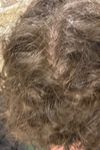
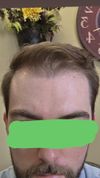
A 22-year-old is experiencing hairloss, particularly fuzzy hair in the front, and is concerned about male pattern baldness. Treatments mentioned include Propecia (finasteride), minoxidil, PRP treatments, dermarolling, peppermint oil, and apple cider vinegar.
A young male in his twenties discusses hairloss, mentioning the use of Minoxidil, topical finasteride, and occasional derma rolling. He inquires about scalp inflammation, fibrosis, and the potential benefits of magnesium oil and scalp massages for improving blood flow and hair health.
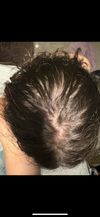
The user is concerned about hairloss, particularly at the crown, and is using topical finasteride and ketoconazole shampoo but avoids minoxidil due to side effects. Opinions vary, with some suggesting the hair looks worse, while others see no change or slight improvement; additional treatments like oral finasteride and micro-needling are suggested.
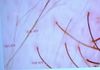
The user started using finasteride and minoxidil and noticed fine, spikey hairs on their scalp after oiling with coconut and blackseed oil. Responses suggest these fine hairs could indicate hair regrowth, but more time is needed to see results.
Hairloss and potential treatments, primarily focusing on Finasteride and Minoxidil. Other solutions discussed include PRP, dermarolling, LLP, and scalp tension relief.
A 20-year-old feels defeated about hairloss and struggles with consistent minoxidil use due to ADHD. They plan to visit an endocrinologist for finasteride and consider shaving their head while continuing treatments.
Individuals with oily scalps, dandruff, and diffuse thinning hairloss who have managed to either halt the loss or regrow their hair by using topical finasteride and minoxidil as well as microneedling and ketoconazole 2% shampoo.
The user has tried various treatments like Dutasteride, RU58841, Minoxidil, Finasteride, Spironolactone, Pyrilutamide, and Ketoconazole for hairloss without success and is considering a scalp biopsy to diagnose another condition. Others suggest consulting a dermatologist and possibly getting a biopsy, as the issue might not be typical male pattern baldness.
A 20-year-old with aggressive hairloss is using oral minoxidil and finasteride, considering a buzz cut to manage appearance. Most suggest a buzz cut or shaving, recommending patience with medication and possibly trying RU58841 or dutasteride.
The user is experiencing thinning at the temporal points and has been using minoxidil, dermarolling, and a mixture of natural oils to improve hair growth. They are considering finasteride as a potential treatment based on shared information.
Hairloss is linked to scalp fibrosis and tension, which result from chronic mechanical stress and androgenic signaling. Treatments include blocking androgens with finasteride, promoting hair growth with topical minoxidil, and improving scalp mobility through exercises.
The conversation discusses unconventional methods for hair regrowth, including scalp trauma like burning or microneedling, and compares them to treatments like Minoxidil and Finasteride. It highlights skepticism about these methods and the body's unpredictable healing responses.
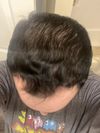
The user is considering using topical finasteride for thinning hair around the middle part, vertex, and crown, and is unsure if the whole scalp is thinning. Another user suggests oral finasteride is more effective than topical, and recommends consulting a dermatologist for proper treatment.
The conversation discusses skepticism about the effectiveness of scalp tension theory and scalp massagers for hair regrowth, contrasting it with treatments like finasteride and minoxidil, which have more user-reported results. Participants question the belief in scalp tension theory, suggesting it may be a marketing tactic, while others argue for a multifactorial approach to hairloss.
The user is considering starting minoxidil or getting their scalp checked for permanent scarring due to noticing thinner hair after bleaching. They are seeking advice on hairloss remedies.
The user is experiencing significant hair thinning on the front scalp while taking oral finasteride and minoxidil. They are unsure if it's androgenetic alopecia or related to seborrheic dermatitis.
The user is trying alternative hairloss treatments like caffeine shampoo and dermarolling before considering minoxidil or other advanced treatments, and has noticed an increase in vellus hairs and some strong terminal hairs after two months of daily caffeine shampoo use. They plan to continue the treatment and document progress.
A user is confused about a dermatologist's positive assessment of their scalp despite concerns about their hairline. They discuss using oral minoxidil, concerns about side effects from finasteride, and difficulty finding topical finasteride.
Quitting minoxidil can lead to significant hairloss, even in areas that were not thinning before, as hair becomes reliant on the treatment. Some users also report losing hair gains when stopping minoxidil despite taking finasteride.
The conversation discusses a hairloss treatment involving a hair transplant of approximately 2500 grafts to the frontal area, daily use of finasteride, twice-daily topical minoxidil, and daily caffeine shampoo since the hair transplant procedure. One person is skeptical about the improvement in the crown area with just finasteride and minoxidil.
A 25-year-old experiencing hair thinning all over the body and head, despite using minoxidil and having low vitamin D levels, is advised to seek a second opinion from a dermatologist specializing in hairloss. The likely diagnosis is diffuse alopecia areata, which may require treatment with a JAK inhibitor.
A user shared their experience with a beard-to-scalphair transplant, noting no visible scars and improved hair density using finasteride and minoxidil. The conversation discusses the differences between beard and scalphair, potential changes in hair texture, and the use of beard hair for increased scalp coverage.
Scalp massage significantly reduced hairloss for the user, who had been using finasteride without improvement. The user attributes the reduction in hairloss to the massage rather than the medication.
The user is experiencing asymmetrical hairloss at the frontal hairline and is concerned about potential conditions like frontal fibrosing alopecia. They have started using finasteride and pumpkin seed oil to address the issue.
A 15-year-old is experiencing hairloss and is considering treatment options. They are aware they cannot use DHT blockers like finasteride due to their age and are exploring other causes like Telogen Effluvium.
A 27-year-old male is using a regimen of topical finasteride, minoxidil, ketoconazole, and biotin for hairloss, and has recently started oral finasteride despite previous side effects. He is considering shaving his head and is advised that a hair transplant might be possible once hairloss stabilizes.
A 33-year-old man experienced diffuse thinning and hair shedding due to sleep deprivation and low testosterone. After starting hCG treatment, he noticed hair regrowth on his temples.