User shared progress pictures after 3 months of using 1mg finasteride, 5% minoxidil, a dermaroller, and castor oil. They humorously commented on their results.
The user experienced heart palpitations from using Fin (0.1%) and Min (10%) and is seeking alternatives. Options suggested include PRP or Mesotherapy, with a recommendation to try topical Fin without Min.
The user is using topical minoxidil and finasteride with good results and is considering adding stemoxydine 5% to their regimen. Another user suggests trying it if financially feasible, as results can vary.
A peptide from Japanese water chestnut fruit may help with hair loss by suppressing DHT's effect on hair follicle cell death, potentially serving as a finasteride alternative. The treatment's effectiveness and safety in humans remain uncertain.
After 8 months of using topical finasteride, hair miniaturization continues, raising concerns about its effectiveness. Microneedling is suggested as a possible complementary treatment.
The user experienced hair loss and itching after stopping RU58841 and resumed it to stop these symptoms. They also use Dutasteride and question which treatment is effective.
The potential of using a specific antibody, HMI-115, as a treatment for hair loss alongside traditional treatments such as minoxidil and finasteride. The user suggests trying either a 240 mg or 30 mg dose to see if it works.
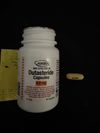
The user switched from finasteride to dutasteride to address temple hair loss and obtained generic oral minoxidil. They are questioning the legitimacy of Camber's dutasteride compared to other options.
The conversation discusses a product called Rexagain Mixprocapil, which includes topical finasteride. Users express skepticism about the product's legitimacy and caution about its use.
The user reported significant improvement in hair thickness and color in the crown area after 3 months on Dutasteride 2.5 mg and oral Minoxidil 5 mg, with temporary side effects that resolved. They switched from Finasteride to Dutasteride due to lack of results with the former.
The conversation discusses a new hair growth treatment that showed a 14 hairs/cm2 increase in a trial, with mixed opinions on its effectiveness and potential cost. Some users are hopeful about combining it with existing treatments like oral minoxidil for better results.
A 29-year-old male has been using topical finasteride (0.1%) and minoxidil (5%) for 2.5 months and noticed thicker, darker hair. He is considering whether to switch treatments, as the current regimen seems effective.
Alfatradiol is often discussed at a 1% concentration, but studies typically use 0.025%. Some users report success using it as a topical treatment alongside other hair loss treatments like finasteride.
A user has had great results with a spray containing 6% minoxidil, 0.03% finasteride, and 0.25% tretinoin from Roman but is seeking cheaper alternatives with the same ingredients. They are looking for suggestions for more affordable sites or pharmacies.
Breezula's phase 3 results are expected soon, with discussions on the effectiveness of androgen receptor antagonists like spironolactone and the potential of GT20029. Users express skepticism about new treatments and discuss the complexities of male pattern baldness, often relying on finasteride despite its side effects.
A 28-year-old male is experiencing hair loss despite using topical and oral Minoxidil, oral Finasteride, and recently switching to oral Dutasteride. He is considering whether to return to topical Dutasteride or add Dutasteride mesotherapy to better target scalp DHT.
A Swiss product called Redensyl, which is supposed to target hair follicle stem cells and has recently been marketed in Europe. The post inquires if anyone has had any experience with the product.
The user has been using dutasteride, RU58841, and minoxidil for hair loss, experiencing some side effects and mixed results, with RU58841 notably reducing scalp itch. Despite extensive treatment, the user has maintained hair but struggles with hairline thickening.
The conversation discusses using NAC and quercetin as supplements for hair loss, with some users also mentioning finasteride. NAC is highlighted for its potential benefits, but concerns about its safety and absorption are also raised.
The conversation discusses the link between seborrheic dermatitis, acne, and male pattern baldness, suggesting that DHT may cause both skin conditions and hair loss. Treatments mentioned include RU58841, finasteride, dutasteride, minoxidil, Nizoral shampoo, and other topical anti-androgens.
A 31-year-old male experienced side effects from various hair loss treatments, including finasteride and dutasteride, and is considering mesotherapy with dutasteride as a last resort. Another user tried mesotherapy for four months without significant change but experienced no side effects.
The user shared progress pictures over four months using topical finasteride, topical and oral minoxidil, topical RU58841 daily, and oral dutasteride once a week. The pictures are spaced about a month apart.
A 27-year-old male is using a hair loss treatment regimen including topical minoxidil, oral finasteride, dermarolling, ketoconazole shampoo, and mesotherapy with dutasteride and vitamins. He is considering switching to oral dutasteride as recommended by his doctor and questions the necessity and cost of mesotherapy.
User noticed tiny black hairs on temples after using rosemary oil along with finasteride, minoxidil, and 0.5mm derma roller. They are curious if these hairs will become terminal.
Apple core extract pills, believed to enhance hair density, are discussed as a potential treatment for hair loss. Users express cautious optimism and interest in trying the product, while acknowledging skepticism and the high cost.
The user is treating hair loss with a regimen including Dutasteride, oral and topical Minoxidil, microneedling, and various supplements for overall health. They are considering adding tretinoin, stemoxydine/RU, DIM, Boron, and Fadogia Agretis to their routine.
27-year-old female experiences aggressive hair thinning and hirsutism despite normal testosterone levels. Spironolactone and 2% minoxidil were ineffective; high DHEA sulfate levels may be the cause.
Higher doses of dutasteride reduce scalp DHT more effectively than finasteride, but have diminishing returns after 3mg daily and may cause more side effects. Combining dutasteride with topical minoxidil can enhance results, but using both finasteride and dutasteride together is unnecessary.
The conversation discusses hair thinning potentially caused by seborrheic dermatitis, with the user considering over-the-counter treatments like Head and Shoulders, Selsun Blue, and Nizoral, while maintaining keratin-treated hair. A suggestion is made to use raw organic honey as a hair mask to treat seborrheic dermatitis without affecting keratin treatments.