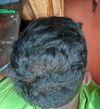
The user is using minoxidil, finasteride, dutasteride, and clobetasol, along with needling, to combat hair loss. They are considering stopping treatment if no improvement is seen.
Finasteride and dutasteride are essential for stopping hair loss, while natural remedies are ineffective. Minoxidil can be added if needed, but blocking DHT is crucial.
Minoxidil alone may not stop hair loss. Finasteride is recommended for androgenic alopecia, as minoxidil doesn't prevent DHT from miniaturizing hair follicles.
The user reports slow progress in hair regrowth using finasteride, minoxidil, dermarolling, and a weekly oil massage. They note improvement in the crown area but minimal change in the hairline.
The conversation is about the difference in hair loss between bodybuilders in the "Golden Era" and modern bodybuilders. Some users speculate that factors such as the types and doses of steroids used, genetics, diet, microplastics, and overall health may contribute to hair loss. Hair loss prevention medication and transplants are mentioned as potential treatments.
New hair loss treatments like GT20029 and PP405 could potentially replace minoxidil and finasteride, offering better results with fewer side effects. However, current treatments like finasteride and minoxidil are still effective for many, despite concerns about side effects.
The conversation discusses various theories and suggestions for hair loss, with a focus on DHT as the primary cause. Treatments mentioned include Minoxidil, finasteride, and RU58841.
New hair loss treatments like GT20029, Clascoterone, and PP405 are being discussed, with concerns about how to apply multiple topicals alongside existing treatments like minoxidil and finasteride. Suggestions include creating a routine, mixing treatments, or minimizing redundancy in treatment stacks.
User experienced slow gains with topical fin+min, switched to topical dut+min, and considered adding Eucapil. Another user suggested DUT may be less effective topically due to high molar mass and mentioned Fluridil as a weak anti-androgen that could help.
The conversation discusses using natural DHT blockers like saw palmetto, beta sitosterol, pumpkin seed oil, pygeum africanum bark, and nettle root as alternatives to finasteride for hair loss, with mixed opinions on their effectiveness. Some users report minimal improvement with natural options and better results with finasteride or dutasteride, despite concerns about potential side effects.
The conversation discusses using topical finasteride with propylene glycol, which causes scalp dryness or dandruff. The user also uses Nizoral, Nioxin, and DHT oil, and considers using a scalp conditioner to alleviate dryness.
An 18-year-old experiencing diffuse hair thinning since 8th grade seeks advice. They are concerned about having less hair than their 52-year-old father and are looking for treatment options.
Quitting caffeine likely won't affect hair follicles, and it might improve nutrition, which can help hair health. The user is using finasteride and oral minoxidil for hair loss.
A 19-year-old is concerned about using low-dose sublingual minoxidil for hair loss and its potential side effects, while questioning its effectiveness against DHT. They are considering whether this treatment is the best option.
The user applies castor oil and uses silicon scalp massagers daily, questioning if the massages cause more hair loss or if the hairs would fall out naturally. They believe the hairs are in the telogen phase and would shed regardless of the massage.
The user experienced increased hair miniaturization and shedding despite using finasteride, topical minoxidil, microneedling, and other treatments. They are considering more aggressive treatments or a hair system if no improvement occurs by the end of 2025.
The user started using finasteride and minoxidil and noticed fine, spikey hairs on their scalp after oiling with coconut and blackseed oil. Responses suggest these fine hairs could indicate hair regrowth, but more time is needed to see results.
Scalp massages and natural methods alone are ineffective for treating hair loss. Effective treatments include using minoxidil and finasteride, with scalp massages as a supplementary aid.
The conversation discusses exploring new hair loss treatments beyond popular ones like Finasteride, Minoxidil, and Ketoconazole. Specific treatments mentioned include ozone therapy, Dutasteride mesotherapy, RegeneraActiva, microcurrent electrical hair stimulation, Nourkrin, and BioEqua Enercharger.
Switching generic finasteride manufacturers can reduce side effects while maintaining effectiveness. Different fillers in generics may affect bioavailability and cause varying side effects.
A 20-year-old is experiencing hair thinning and is considering Clascoterone and Minoxidil as treatments, avoiding finasteride due to concerns about fertility and hormones. A suggestion was made to use Clascoterone for local DHT targeting and combine it with Minoxidil for maintenance and regrowth while avoiding systemic side effects.
Users discuss alternatives to DHT blockers for hair loss, suggesting minoxidil, microneedling, natural DHT blockers, and scalp massages. Some explore RU58841, ketoconazole, hair transplants, and hair systems due to side effects from finasteride and dutasteride.
Datwagg63 started taking finasteride for hair loss and supplements it with omega 3, vitamins, and a low-carb diet while lifting weights. InternationalBerry suggested adding minoxidil, as it's considered the second most effective treatment after finasteride.
Concerns about the impact of hair loss treatments like finasteride on fertility and future children. The user is worried about reduced sperm count and quality due to lowered DHT levels.
Creatine might increase DHT levels, potentially affecting hair loss, but its impact is debated. Some users experience hair shedding with creatine despite using finasteride, while others notice no change.
A 25-year-old with aggressive diffuse NW5 hair loss is using Minoxidil, oral Finasteride, RU58841, Ketoconazole, and dermastamping, experiencing slow progress and mental health struggles. Despite some visible regrowth, the user feels discouraged due to ongoing hair loss and is seeking reassurance and advice.
A 21-year-old is experiencing hair thinning and is considering using oral finasteride and minoxidil. They are seeking advice on the cheapest and easiest provider among Drb.ai, ro.co, or Amazon One Medical.
A 20-year-old experiencing hair thinning is considering treatments like minoxidil, finasteride, and various oils but is hesitant due to potential side effects. Users advise starting minoxidil and finasteride for effective results, while oils and supplements are seen as less effective.
The user is experiencing increased hair thinning and shedding despite using oral dutasteride, oral minoxidil, topical dutasteride, and ketoconazole shampoo. Many recommend considering a hair transplant or embracing baldness, as current treatments seem ineffective.
A 27-year-old is considering a hair transplant after unsuccessful minoxidil and dermarolling use, but is hesitant about finasteride due to potential side effects. Users advise trying finasteride or dutasteride to prevent further hair loss and suggest that a transplant won't stop balding without medication.