The conversation is about using Listerine as an alternative to rubbing alcohol for sterilizing a dermaroller due to unavailability. The ingredients of Listerine are listed to determine its suitability.
A user shared that Garnier Fructis SOS repair shampoo with amla oil and liquid vegetal keratin helped with their dry and itchy scalp. They have been using finasteride and minoxidil for a year and found this shampoo effective after trying many others.
Topical minoxidil can cause water retention, making the face appear swollen. Switching from liquid to foam and reducing application frequency may help; using dandelion root extract as a diuretic is also suggested.
The user is considering using CB or clascoterone for hair loss, potentially as an alternative to RU. They're also contemplating asking a dermatologist for topical clascoterone cream to apply to their temple.
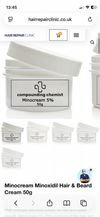
A user is considering switching from a 5% minoxidil spray to a minoxidil cream for easier application and less greasiness. They are inquiring about the Hair Repair Clinic 5% minoxidil cream, which includes optional tretinoin and other ingredients like isopropyl myristate and beeswax.
Veradermics is a promising new treatment for hair loss, essentially a repackaged version of Minoxidil. The user is optimistic about its potential effectiveness.
A user found relief from minoxidil-induced scalp itch by using a different product, as Nizoral dried out their scalp and worsened the condition. The conversation focuses on managing side effects of hair loss treatments.
Collagen peptides are recommended for hair and skin benefits, with users noting improvements in hair and skin health. However, evidence on their effectiveness for hair growth is inconclusive.
The user is managing hair loss with oral finasteride, recently switching to dutasteride, and topical minoxidil, but faces challenges due to seborrheic dermatitis. They seek advice on effective regrowth methods that don't worsen their condition, with suggestions including various shampoos like Vichy Dercos and ketoconazole.
Rice water was used as a hair treatment and showed noticeable results in a week, more than finasteride used for seven months. The user plans to continue using rice water and might stop finasteride, while still using ketoconazole for dandruff.
Using ketoconazole shampoo can cause hair dryness, especially when combined with Minoxidil. Users suggest using conditioner, adding oils like rosemary and peppermint, or reducing shampoo frequency to mitigate dryness.
Clascoterone 5% solution (Breezula) is a promising alternative for androgenetic alopecia, showing continued hair growth with consistent use and no significant side effects. It may be suitable for those who cannot tolerate finasteride or dutasteride, especially when trying to conceive.
A user was prescribed betamethasone dipropionate spray for a receding hairline, which caused skin peeling and depigmentation. They stopped using it and are considering alternatives like BPC-157/TB-500 for healing.
The conversation is about finding shampoos that add volume and promote healthy hair growth without harsh chemicals. The user from India uses an ayurvedic Aloe Vera shampoo and washes their hair once a week.
The conversation is about managing a hair loss routine using Minoxidil twice daily, Tretinoin cream once daily at night, and microneedling once daily at night. The user is seeking advice on how to incorporate these treatments effectively without overlapping too much at night.
Using Tretinoin every other day with daily Minoxidil may help with hair regrowth, and some users find it more effective than daily use. There are concerns about irritation and absorption, but small amounts seem to minimize harm.
The conversation discusses using tretinoin for hair loss and skincare. Users share experiences, noting tretinoin's effectiveness in combination with minoxidil for hair and its proven benefits for anti-aging skincare.
The user treated seborrheic dermatitis and hair loss with a routine including sulfate-free tea tree oil shampoo, ketoconazole shampoo, minoxidil foam, microneedling, and supplements like Omega-3 and Vitamin-D. They experienced significant hair shedding initially but saw improvement over a year.
User noticed receding temples, used minoxidil and microneedling with positive results. Added saw palmetto and eucapil, experienced shedding and thinner hairline, but no side effects.
Clascoterone 5% solution is not yet commercially available, with only the 1% solution currently sold for acne. Users discuss the potential of Clascoterone as a hair loss treatment, comparing it to other anti-androgens like RU58841 and Eucapil.
The conversation is about a user inquiring about a hair loss treatment product that contains minoxidil, azelaic acid, retinol, and caffeine, and whether it is more effective than Regaine foam. No specific treatments or outcomes are discussed.
The conversation discusses combining topical cetirizine with minoxidil for hair loss treatment and inquires about the safety and absorption through the skin, as well as the possibility of adding melatonin.
The user has been using Minoxidil and Finasteride for over a year with limited success and is now trying microneedling. They seek advice on using hyaluronic acid to help the microneedling pen glide smoothly on the scalp.
Using Nizoral shampoo intermittently and reassessing scalp condition after each bottle, potentially adding in other tools to target seb derm, and alternating between Pura D'Or and Nizoral for a healthy and clean scalp.
The conversation is about using another shampoo after Nizoral to improve hair appearance without reducing ketoconazole's efficacy. Users also discuss adding coconut oil to Nizoral to prevent hair dryness.