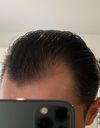
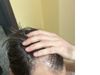
Creatine may increase DHT levels, potentially causing hair loss in some people, though experiences vary. Treatments like finasteride or minoxidil are suggested to manage potential hair loss.
Topical finasteride with minoxidil effectively stabilized and thickened hair but caused side effects like brain fog, reduced libido, and emotional flattening, leading to discontinuation. The user switched to a new regimen including minoxidil, KX-826, and other treatments, noting improvements in libido and vivid dreams after stopping finasteride.
The conversation discusses the challenges of maintaining a balding head, with some preferring to shave regularly and others choosing to embrace their hair loss. Specific treatments or concerns about hair transplants and societal perceptions of balding are also mentioned.
Japanese and Korean diets provide sufficient minerals like folate, B12, vitamin D, zinc, iron, and copper, which may reduce androgenic alopecia. High soy consumption, containing phytoestrogens, might also contribute to lower hair loss in these regions.
The user experienced hair thinning in the middle of their head despite using finasteride and minoxidil and having a hair transplant. They are concerned about the thinning and considering shaving their head, while being advised to continue treatment and manage stress.
Hair loss treatments like Minoxidil, finasteride, and stem cell therapies exist, but a complete cure is hindered by genetic complexity and market dynamics. Cloning hair follicles is considered a potential solution, but it's currently not feasible.
A 17-year-old is addressing hair loss with finasteride, topical minoxidil, and microneedling. They are considering adding GHK-Cu to their regimen, but others advise caution with finasteride due to age.
Adding caffeine to topical minoxidil is unlikely to enhance its effectiveness, with most users agreeing it has minimal impact. The main treatments discussed are minoxidil and finasteride, with some users adding other ingredients like azelaic acid and retinol.
The user experienced headaches and brain fog with a topical solution containing Dutasteride, Minoxidil, Tretinoin, Fluocinolone, Latanoprost, and Caffeine. They are considering switching to oral or topical Finasteride to see if it alleviates these side effects.
The conversation is a satirical discussion about hair loss treatments, jokingly suggesting using a Cocker Spaniel as an alternative to actual treatments like finasteride, minoxidil, RU58841, ketoconazole, and dermarolling.
The conversation is about a potential new hair loss treatment called Breezula CB-03-01. Users are discussing updates on its development and sharing personal experiences with making or using it.
The user reported healthier, firmer, and thicker hair follicles with minimal regrowth at the front after using Regenera Activa, topical finasteride, minoxidil, tretinoin, caffeine solution, and vitamin D supplements. Hair loss has stabilized with no side effects.
Pelage executives' hairlines were discussed, with speculation about them using PP405 for hair regrowth. Concerns were raised about using untested drugs, with some suggesting executives might not risk using them without safety data.
Japanese scientists discovered ABM cells, enabling successful human hair follicle cloning, potentially curing hair loss. The treatment may be available in Japan by 2028, but it will be expensive and require travel.
A 23-year-old is experiencing hair loss, primarily at the top middle of the head, and is considering finasteride but is hesitant due to potential side effects. Other users share their positive experiences with finasteride, suggesting it is worth trying, while also discussing the importance of researching and monitoring for any side effects.
Epibiotech will offer off-the-shelf allogeneic hair multiplication treatment in South Korea, using dermal papilla cells from donors to grow hair in balding areas. This method is cheaper and less invasive than traditional hair transplants.
Hair loss discussion includes treatments like Minoxidil, Finasteride, and RU58841. Eucapil (fluridil) is approved as a cosmetic hair-care agent in Europe, but users question the level of testing required for approval.
A 20-year-old female with PCOS is experiencing hair loss and excessive facial hair. She is using ketoconazole and caffeine shampoos, microneedling, and considering anti-androgens like finasteride, but is cautious about minoxidil due to facial hair concerns.
The conversation discusses Shiseido's RepliCel Hair-01 technology for hair regeneration, which aims to stop hair loss with minimal regrowth. Treatments mentioned include Minoxidil, finasteride, and RU58841.
A user is concerned about receding hairlines and considers using finasteride and minoxidil but is hesitant due to potential side effects. Others advise starting treatment early to prevent further hair loss, emphasizing that finasteride is generally safe and effective for prevention.
A new hair cloning breakthrough suggests a potential cure for hair loss, though skepticism remains about its availability and cost. Users discuss the possibility of unlimited hair grafts for transplants and express hope for future developments.
A user is experiencing hair loss in the center of their hairline and has been using topical finasteride for seven months with minimal progress. They are considering switching treatments due to concerns about losing ground and potential side effects of other options.
The conversation discusses hair regrowth progress using topical dutasteride with cetirizine, laser therapy, and growth serum. The user observes miniaturized, vellus hairs on the scalp.
Cosmo Pharmaceuticals has enrolled about 850 out of 1400 patients for their phase 3 clinical trials of clascoterone (Breezula) and claims to be on schedule. The conversation is about hair loss treatments.
GHK-Cu is a potent inhibitor of the type 1 5-alpha reductase enzyme in hair follicles, which may reduce hair loss without the side effects associated with type 2 5-alpha reductase inhibitors. The user previously experienced side effects with 5-alpha reductase inhibitors and is considering GHK-Cu as an alternative.
The conversation discusses hair loss treatments, including scalp massage, and the importance of blocking DHT for hair loss management. The user shares blood test results, which appear normal, and seeks advice on effective tests and treatments, expressing a preference for natural methods over medication.
The user is experiencing stage 2 hair loss and thinning, noticing more scalp visibility with short hair. They are considering diet, yoga, scalp massage, supplements, and a serum recommended by their doctor, and questioning if it's safe to stop using the serum and whether to get a blood test since hair loss isn't a family trait.
A 17-year-old is concerned about hair thinning and unable to see a dermatologist for a year. They are advised to consider using topical minoxidil and possibly finasteride in the future.
A rigorous and extensive regimen for hair regrowth, including oral and topical minoxidil, finasteride, dutasteride, RU58841, various oils, supplements, and lifestyle changes, is discussed with skepticism and humor. The consensus is that such an extreme routine is impractical and potentially harmful, with no guaranteed results.