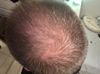
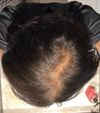
The reduction in scalp oiliness is likely due to finasteride reducing DHT levels and the use of ketoconazole shampoo. The combination of these treatments may have decreased sebum production.
A 35-year-old is experiencing continued hair shedding despite using Finasteride, 2% Ketoconazole shampoo, and dermarolling. They plan to ask their doctor about adding oral Minoxidil and possibly switching to Dutasteride.
A 22-year-old male has been using oral finasteride and minoxidil, along with microneedling and ketoconazole shampoo, for hair loss. He is concerned about midscalp progress and is considering switching to dutasteride.
The user has been using finasteride for 7 months and is experiencing some regrowth but struggles with an oily scalp despite trying ketoconazole and salicylic acid. They are seeking advice on managing the oily scalp and are reassured by others that regrowth is visible.
The user started taking 0.25mg finasteride daily on 9/19/25, along with using 2% ketoconazole, rosemary oil, and dermastamping. They are hesitant to add minoxidil due to heart palpitations.
Selenium sulfide shampoo helped with a sore scalp but may cause hair root damage. Users experienced hair loss with selenium sulfide and ketoconazole, suggesting reducing use if hair loss occurs.
People are discussing hair care products and shampoos, with some using ketoconazole 2% and others mentioning products like NATIVE brand and Dr. Bronner’s peppermint soap. There's a focus on scalp health and the potential benefits of certain shampoos for aiding minoxidil absorption.
A 28-year-old male has been using finasteride, ketoconazole shampoo, and various vitamins for hair loss and is considering adding minoxidil, either topical or oral, to his regimen. A suggestion was made to use 5% topical minoxidil for better results.
A 24-year-old shared their 2-month progress using oral finasteride (1mg) four times a week, topical minoxidil (5%) daily, and ketoconazole shampoo twice a week for hair loss. They experienced initial headaches and shedding but plan to continue the regimen due to positive results.
The user is using minoxidil, finasteride, ketoconazole shampoo, biotin, and omega-3 for hair loss treatment. They are concerned about progress, but responses suggest patience and addressing dandruff for better results.
The user used minoxidil alone for 5 years and recently added finasteride, ketoconazole shampoo, bimatoprost, and dermarolling to their routine. They are hopeful for regrowth, as combining these treatments can address hair loss causes, but results may take up to a year.
A 25-year-old shares progress on hair regrowth using finasteride, ketoconazole shampoo, Alpecin caffeine shampoo, and topical minoxidil, noting improved hair health but persistent temple thinning. They consider switching to oral minoxidil, adding microneedling, and possibly a hair transplant after one year.
The user shared progress after one year on finasteride, noting slower results without minoxidil and using ketoconazole shampoo for dandruff. Suggestions included adding minoxidil, microneedling, and possibly seeing continued regrowth in the second year.
A 30-year-old male is using dutasteride, minoxidil, ketoconazole shampoo, and various supplements for hair loss, reporting no sexual side effects but experiencing tinnitus. He stopped microneedling and tretinoin cream, saw quick results, and experiences low-intensity shedding.
The user is using finasteride, minoxidil, ketoconazole, and vitamins/minerals for hair loss, and had a hair transplant with 2300 grafts. They are seeking opinions on future improvement, with one response suggesting a 10-20% improvement in the next 4-6 months.
A 19-year-old male is experiencing hair loss and has been prescribed 5% minoxidil and ketoconazole shampoo but is unsure about starting finasteride. He plans to begin using minoxidil soon and is seeking advice on whether to add finasteride to his treatment.
A 23-year-old male has been using Dutasteride for 10 months, alongside topical Minoxidil and Ketoconazole, but is experiencing increased hair thinning, particularly at the crown. Despite trying different dosages and treatments, including a brief attempt with oral Minoxidil, the user is frustrated with the lack of improvement and is seeking advice from others with similar experiences.
A 17-year-old is experiencing hair thinning and is using minoxidil, ketoconazole shampoo, saw palmetto, and pumpkin seed oil. They are considering starting finasteride but are concerned about its effects on development and are seeking advice on whether to proceed with finasteride or switch to oral minoxidil.
After 2 months of using minoxidil and finasteride twice daily, along with ketoconazole shampoo 2-3 times a week, progress in hair condition is shown. The user shares pictures to document the changes.
Using tretinoin with minoxidil can enhance hair growth results. Microneedling and ketoconazole shampoo are also used to improve scalp health and treatment efficacy.
The user has been using minoxidil, finasteride, ketoconazole shampoo, biotin, and microneedling for hair regrowth, noticing some improvement with baby hairs and a fuller front hairline. They are considering adding rosemary oil and a dermastamp to enhance results, particularly around the thinning temple areas.
A 42-year-old male experienced hair regrowth using a topical treatment of finasteride, ketoconazole, and minoxidil, noticing increased hair density and reduced hair loss over a year. He plans to switch to oral finasteride and continue using topical minoxidil, with a dermatologist's guidance.
The conversation discusses the effectiveness of using finasteride alone versus combining it with minoxidil, ketoconazole, and microneedling for hair loss treatment. It also touches on the affordability and accessibility of hair transplants, with differing opinions on the financial feasibility of such procedures.
The user is stressed about hair loss and is using a HIMS topical treatment containing finasteride, ketoconazole, minoxidil, and biotin, but is concerned about the oily appearance it causes. They are considering switching to Rogaine (minoxidil) due to budget constraints and side effect concerns with oral finasteride.
A 33-year-old experienced hairline improvement using finasteride and minoxidil, later stopping minoxidil while continuing ketoconazole shampoo. Initial side effects included shedding, reduced libido, and anxiety, but these resolved, leading to a full hairline recovery.
A 26-year-old male experiencing hair loss since 2020 is using topical 5% Minoxidil and 2% Ketoconazole shampoo for four months, still experiencing significant shedding. He is considering cutting his hair short and has not yet started DHT blockers like Finasteride or Dutasteride.
The user has been using oral minoxidil, finasteride, and ketoconazole for hair loss but feels their condition has worsened over six months. They are considering whether to continue with the current treatment or try additional methods.
A 23-year-old has been using minoxidil, finasteride, ketoconazole shampoo, biotin, and microneedling for hair loss, noticing baby hairs and a fuller hairline. They are considering adding rosemary oil and a dermastamp to improve thinning areas, especially around the temples.
The user successfully managed hair loss using Finasteride, Minoxidil, Ketoconazole shampoo, and a hair mask, experiencing significant hair growth and improved density. They attribute their success to consistency, improved nutrition, and a dedicated routine.
Zinc pyrithione and piroctone olamine are effective for reducing hair shedding, possibly more so than ketoconazole. There is a concern about zinc pyrithione shampoo interfering with minoxidil, but it's unclear if this is proven.