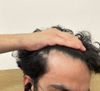
User got a hair system after hair transplant and finasteride didn't meet their needs. Hair system cost $200, initial install $150, and user is satisfied with the results.
A female, aged 17-18, is experiencing significant hair loss, feeling hopeless despite trying various treatments like leave-in conditioners, omega-3s, supplements, sulfate-free shampoo, and biotin. She is distressed as her hair continues to thin, affecting her body image and self-esteem.
Hair loss returned after 8 months of using a treatment with .3% Dutasteride and 8% Minoxidil. The user suspects a marketing strategy as the company offers a more expensive product with additional ingredients like biotin and finasteride.
Ketoconazole 2% shampoo effectively regrew hair by treating scalp dermatitis and inflammation. The user also used jojoba and oat oil, Aveeno moisturizer, and hyaluronic acid for scalp care.
A sugar gel has been found to aid hair regrowth, similar to minoxidil, and may improve blood supply to hair follicles. Some users report success with homemade versions, though side effects like dizziness have been noted.
A user underwent a 2,550 FUE hair transplant and started taking dutasteride 0.5mg. They previously tried RU58841, minoxidil, and microneedling but avoided finasteride and dutasteride due to side effects.
A 21-year-old is worried about hair loss despite taking 0.5mg finasteride every other day for 7 months. Users suggest continuing treatment, considering a hair transplant, and possibly adding minoxidil.
Stem-cell hair transplants could potentially create thousands of grafts from a single donor graft, offering a solution for hair loss with DHT-resistant hair. Companies like Stemson Therapeutics and OrganTech are working on this technology, which may become available in the future, possibly reducing the cost and making it widely accessible.
User experienced hair loss from Norwood 3.5 to Norwood 5 with diffuse thinning after using a hair system for 2 years. Tried Redensyl, Capixyl, Bicapil, Biotin, multivitamins, Fin, and Min without significant improvement, seeking advice for hair recovery.
User experienced hair loss and tried Minoxidil, laser helmet, and Finasteride. Finasteride caused depression and sexual side effects, but user had a successful hair transplant.
A user found that vitamin D deficiency was causing their hair loss and saw improvement after taking D3 supplements. Others noted that while vitamin D can affect hair, male pattern baldness usually requires treatments like finasteride.
Hair cloning was predicted to be a baldness cure within 3-4 years in 2004, but it has not materialized. Users express frustration and skepticism about the delay.
The user has been using Minoxidil, vitamins, and a derma roller for 2.5 months with some regrowth observed. They are hesitant to add finasteride or dutasteride due to potential side effects, considering topical finasteride as a safer option.
A 17-year-old is using topical minoxidil for hair loss and is considering other treatments like ketoconazole shampoo and saw palmetto while waiting to start finasteride at 19. Suggestions include using oral minoxidil, topical antiandrogens like RU58841, and CB-03-01, with a focus on minimizing systemic DHT impact.
A 21-year-old with early hair loss is considering starting finasteride, either orally or topically, and is unsure about adding minoxidil due to concerns about commitment and effectiveness. They plan to start with microdosing finasteride, possibly adding minoxidil later, and will also try microneedling, rosemary oil, castor oil, and ketoconazole shampoo.
Blocking DHT is not a complete solution for hair loss; instead, altering the scalp's response to DHT may be more effective. Topical finasteride and minoxidil are current treatments, but future approaches may involve bioengineering, gene therapy, and inflammation control.
David Barreto shared that a London-based research group is conducting a 12-month trial for a new nutraceutical treatment for pattern hair loss, designed with Dr. Carlos Puig. The trial aims to provide robust data, with results expected in 1-2 years, potentially representing a significant advancement since finasteride’s introduction in 1997.
Hair cloning is humorously discussed as always being 5-7 years away, with skepticism about its near-term availability. Gene editing to reactivate dormant follicles is suggested as a more likely solution within the next ten years.
A user started using RU58841 before finasteride for hair loss and is now considering stopping RU58841 while continuing finasteride. They are asking if others have maintained hair gains from RU58841 after stopping it, but one response suggests it's risky to stop RU58841 if they want to keep their hair gains.
Accepting hair loss, with solutions discussed including Minoxidil and Finasteride treatments, shaving the head as a liberating experience, and using beards to make up for lack of hair.
Fighting hair loss with "The Big 3" treatments of Propecia, Rogaine and Nizoral shampoo, as well as specific advice on how to use these products. People have shared their long-term success stories and some have discussed the side effects of finasteride. Other suggestions included Lipogaine and Pura D'or Hair Loss Prevention Therapy Shampoo & Conditioner.
GT20029 shows promise as a topical treatment for hair loss, potentially replacing finasteride for some due to its low systemic exposure and ability to degrade androgen receptors. However, skepticism remains about its long-term efficacy and availability, with some users expressing doubt about new treatments consistently failing to reach the market.
A permanent hair loss solution could involve reprogramming hair follicles to resist DHT using mRNA and siRNA. However, high costs, safety concerns, and the pharmaceutical industry's preference for ongoing treatments over one-time cures are major obstacles, with finasteride and minoxidil remaining standard treatments.
Hair loss treatments include topical and oral minoxidil, low-level laser light therapy, and peptide serums. Bryan Johnson avoids finasteride and dutasteride due to potential side effects, focusing instead on his own protocol with these treatments.
Hair loss requires proper diagnosis as it can have various causes, and treatments like finasteride, minoxidil, and dutasteride are often used. Many people express frustration with dermatologists and turn to self-research and alternative sources for treatment.
COVID and COVID vaccination can trigger hair loss, primarily telogen effluvium, due to stress and immune system activation. Proper diagnosis and addressing factors like nutrition and stress are crucial for recovery.
Creatine can cause increased hair loss in some people, particularly those with a predisposition to androgenic alopecia, but hair loss often stops after discontinuing its use. Some users experience no hair loss while using creatine.
OP shares their experience with PCOS-related hair loss, highlighting that addressing vitamin D and ferritin deficiencies, managing hormones with spironolactone, and using gentle hair care products helped improve their condition. They advise against relying on "miracle" hair oils and emphasize the importance of medical evaluation and a combined approach to treatment.
Increased hair loss after starting a 10g daily creatine regimen, possibly linked to elevated DHT levels despite dutasteride use. Stopping creatine reduced shedding, but the exact cause is uncertain, with discussions on exercise and lifestyle impacts.
A user regrew all their hair, including temples and bald spots, after one year of finasteride and six months of oral minoxidil. They noted finasteride helped with the crown and bald spot, while minoxidil regrew the hairline and temples.