The conversation discusses Melatonin's potential benefits for AGA and a product called "Asatex" by ASATONA AG. The company was uncooperative when contacted for purchase inquiries.
PTD-DBM is being explored for hair regrowth by targeting CXXC5, with clinical trials expected after pre-clinical studies. Users express anticipation and skepticism about its effectiveness.
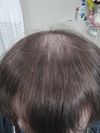
A 24-year-old male is experiencing hair thinning and feels hopeless, considering treatments like finasteride and minoxidil but is concerned they might not work. He is also contemplating a dermatologist visit and is unable to afford a hair transplant.
A user shared progress pictures showing improvement from NW6 diffuse to NW1 after 5 months of finasteride and 2 months of dutasteride. Another user asked if these treatments affected beard or body hair thickness.
A user is considering making a 2% clascoterone lotion from powder due to unavailability in their location. They plan to mix clascoterone powder with retinol lotion and use literature to determine the correct dosage.
The user is considering a hair transplant and is using topical finasteride, minoxidil, antiandrogens, ketoconazole shampoo, and serenoa repens. They are deciding between surgeons Dogan Turan and Bruno Pinto, and are concerned about the technique and potential complications due to diffuse hair loss.
The conversation humorously discusses using "pure willpower" as a method to combat hair loss, alongside treatments like dutasteride, finasteride, and RU58841. The original poster claims that this unconventional approach, involving shouting affirmations and avoiding distractions, has led to noticeable hair regrowth.
Experimenting with trestolone as a treatment for hair loss in an attempt to avoid DHT-related treatments such as finasteride and dutasteride, and discussing the potential effects of its receptor selectivity on the androgen receptors in the scalp.
The conversation discusses GT20029, a compound by Kintor Pharma that degrades androgen receptors and is in trials, with potential as a hair loss cure. Another promising treatment mentioned is an antibody that blocks prolactin and has shown positive results in macaques.
The conversation discusses skepticism about the effectiveness of scalp tension theory and scalp massagers for hair regrowth, contrasting it with treatments like finasteride and minoxidil, which have more user-reported results. Participants question the belief in scalp tension theory, suggesting it may be a marketing tactic, while others argue for a multifactorial approach to hair loss.
Actor Paul Mescal, who has a receding hairline, and how it affects his success in the entertainment industry. People discussed how styling can help disguise hair loss, and that hair loss doesn't necessarily mean one's appearance is immediately ruined. Treatments such as Minoxidil and Finasteride were mentioned to combat hair loss.
TWIST-1 gene's role in hair loss and potential as a treatment target. Inhibiting TWIST-1 may prolong hair growth and reduce hair follicle sensitivity to DHT.
User shows hair loss progress from NW4 to NW2.5 in 2.5 months using RU 8.5-9% daily and topical Dut .1% + RU 5% weekly. Discussion includes managing tension in African American hair and representation of different hair types.
A YouTuber named Kevin, also known as Rider_Of_Roach, who deleted his YouTube channel due to personal attacks and controversy surrounding his views on hair loss treatments. He advocated for FDA-approved treatments like finasteride and minoxidil but faced backlash from those who disagreed with him. The conversation also discusses his past trolling behavior and a lawsuit he filed against a website that published false information about him. Despite some disagreements, many viewers appreciated his research-based content and hope to see him return in the future.
The conversation humorously discusses using a full head wig for hair, beard, and perfect skin, with mentions of treatments like finasteride, RU58841, and microneedling. It highlights a shift from serious hair loss discussions to satire and memes.
A South Korean company, Therazyne, has developed a promising hair loss treatment using a WNT chain surrogate that binds to Frizzled 7, with human follicle testing expected soon. Current treatments like minoxidil and finasteride are not seen as cures, and while optimism exists for future solutions like PP405, approval processes are lengthy.
Kintor's GT20029, a treatment for hair loss, has completed Phase 1 successfully, showing promise as an androgen receptor degrader that could potentially regrow hair. It is considered more effective than Pyrilutamide, with infrequent dosing and minimal systemic absorption.
The conversation discusses positive initial trial results for GT20029, a topical compound for hair loss that degrades androgen receptors, potentially requiring only weekly application. Participants express hope for this treatment to be more effective and convenient than current options like Minoxidil, Finasteride, and RU58841.
The user is treating hair loss with a regimen including Dutasteride, oral and topical Minoxidil, microneedling, and various supplements for overall health. They are considering adding tretinoin, stemoxydine/RU, DIM, Boron, and Fadogia Agretis to their routine.
The conversation humorously speculates on whether an elderly man's good hairline is due to finasteride, dutasteride, or genetics. It also discusses the role of DHT and genetics in hair loss.
The conversation discusses a person successfully using a combination of Minoxidil, finasteride, and other treatments for hair loss, resulting in significantly improved hair. Despite some criticism, many admire his dedication to health and anti-aging research.
He Shou Wu (fo-ti) is discussed as a potential treatment for hair regrowth, with mixed opinions on its effectiveness. Some users report positive results, while others remain skeptical or have not noticed any changes.
A user shared progress pictures of a hair transplant done in Toronto, Canada. The conversation includes comments on the appearance of Antonio Conte, with some suggesting he looked better after shaving his head.
Hair loss discussion mentions Native Americans' resistance to male pattern baldness and lack of facial hair. Users discuss genetics, sun exposure, and potential treatments like minoxidil and finasteride.
A user shared their positive experience with a crown MicroFUE hair transplant at Boston Hair Restoration, highlighting the smooth procedure, minimal pain, and significant growth over 12 months. They used oral minoxidil, finasteride (transitioning to dutasteride), PRP sessions, and a LaserCap, achieving excellent results and full confidence.
A user is concerned about low testosterone while using finasteride 0.625mg MWF and considers ashwagandha for stress. Others suggest exercise, magnesium, and not worrying about testosterone levels if no significant side effects are felt.
Younger generations now view receding hairlines as baldness, increasing the use of treatments like minoxidil and finasteride. Social media and changing beauty standards have intensified focus on hairlines, altering perceptions of baldness.
The GT20029 tincture, a topical androgen receptor degrader, showed significant hair growth and good safety in a China Phase II trial for male androgenetic alopecia (AGA), with the 1% dose twice weekly identified as optimal. The company plans to initiate Phase III trials in China and Phase II in the U.S., and the treatment also shows promise for acne.
The conversation discusses the potential of a new hair loss treatment, GT20029, which may prevent hair loss by destroying androgen receptors on the scalp. Users express hope for the treatment's success and speculate on its usage routine, effectiveness, and possible side effects.