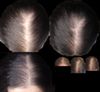
Minoxidil use may worsen seborrheic dermatitis, causing itching and dandruff. Users consider stopping minoxidil or switching to foam to improve scalp condition.
The conversation discusses hair loss treatments, focusing on reducing scalp itching and dandruff using natural shampoos, witch hazel, and apple cider vinegar. The user also mentions using finasteride and observing potential regrowth, though it's difficult to confirm.
ET-02 is seen as promising for addressing hair loss and graying, but PP405 is more advanced in development and has better publicity. Some users plan to use both treatments alongside minoxidil and dutasteride.
Using spirulina and chlorella to boost ferritin and iron levels reduced hair shedding by more than half in a month. The user found these natural supplements more effective than regular iron tablets for hair growth.
Follicum discovered that their drug FOL-005 increased hair count by 12 hairs per cm2 in patients with less than 255 hairs per cm2 and is planning a phase 2b trial. They are currently fundraising for the trial, and the drug may also be effective for women.
The conversation discusses various supplements and vitamins like Vitamin D3, K2, Biotin, Iron, Zinc, and B Vitamins for improving hair health. It also mentions a combination of Tocotrienols, Pycnogenol, Saw Palmetto, Pumpkin Seed Oil, Stinging Nettle, and Myricetin for stabilizing hair, with Saw Palmetto, Pygeum, and Stinging Nettle noted for thickening hair despite side effects.
A user with medium length hair and thinning at the top is using an adenosine-based hair growth serum and seeking advice on whether to use a boar bristle or nylon bristle brush to stimulate hair growth. They are concerned about their sensitive scalp.
A 27-year-old male experienced hair loss and dermatitis, which improved with tea tree oil and neem extract. He is considering using a 2% Ketoconazole solution for further treatment.
Oral supplementation of Nicotinamide Mononucleotide (NMN) improves hair quality and appearance in middle-aged women. However, it may reduce total hair density, possibly due to seasonal shedding.
Oleic acid and microneedling are being explored for hair regrowth, but results are mixed. Addressing DHT and fibrosis is crucial, with treatments like finasteride, minoxidil, and scalp massage also discussed.
A 12-year-old diagnosed with alopecia shares their experience and current treatments, including Dermovate, an unnamed cream, and liquid iron. The community offers support and encouragement.
A user mixed a pyrilutamide solution and noticed undissolved powder at the bottom, questioning if this is normal and how long to wait before applying it. They wished others good luck with their treatments.
A user has been losing hair for two and a half years after a tropical trip and illness. A dermatologist prescribed betamethasone valerate 0.1% lotion, but the user is unsure if it's safe or effective for general hair loss.
The user experienced hair loss due to undiagnosed anemia and has been taking iron and vitamin D3 supplements, which improved their energy levels but not hair regrowth. They are seeking advice on additional treatments or steps to restore hair after iron deficiency anemia.
A 25-year-old male with seborrheic dermatitis and hair thinning seeks advice on the severity of his condition and treatment options. Oral finasteride and oral minoxidil are recommended as the most effective long-term treatments.
The conversation discusses hair loss linked to BDNF-increasing nootropics like Semax and Lions Mane. Suggested topical treatments include capsaicin, beta-glucan, and ginseng to counteract TGF-B activation.
P5P supplementation helped reverse finasteride side effects, particularly by lowering prolactin levels and restoring sensitivity. The user experienced significant improvement within a day and full recovery in a few days.
The clinic diagnosed the user with NW3 and AGA, noting thinning hair despite using finasteride for 3 years, and suggested PRP and Mesotherapy before considering a transplant. The user questions the necessity of these treatments without confirming retrograde alopecia and its treatability.
Clascoterone 5% solution (Breezula) is a promising alternative for androgenetic alopecia, showing continued hair growth with consistent use and no significant side effects. It may be suitable for those who cannot tolerate finasteride or dutasteride, especially when trying to conceive.
Creatine may cause increased hair shedding in some individuals, especially those with androgenetic alopecia (AGA), despite its physical performance benefits. Many users report stopping creatine to reduce hair loss, while others believe the effects are anecdotal or due to other factors like increased physical activity.
Hmi115, a prolactin receptor blocker, showed promise for hair growth, but results from Phase 2 trials have not been published. ABS-201, an AI-based analog, is expected to begin trials in December 2025, while commercialization of treatments like PP-405 is anticipated around 2027.
A user plans to experiment with creating new hair follicles using methods like derma rolling, applying lithium chloride, tannic acid, and various other substances including caffeine, ketoconazole, and raspberry ketones. They also consider using anti-inflammatories, immunosuppressants, and DHT inhibitors to potentially improve results.
A 35-year-old shared their 5-month hair regrowth progress, using 0.5mg oral finasteride daily, topical minoxidil/finasteride once daily, derma stamping 1-3 times a week, washing hair daily or every other day with peppermint soap, and using eczema lotion for scalp health. Commenters congratulated the individual on the significant improvement in their hairline.
AMP-303 and AMP-601 are new hair loss treatments targeting dermal papilla cells, with AMP-303 showing early efficacy in transitioning vellus hairs to terminal hairs after one injection. Further clinical trials are planned, and these treatments are seen as promising due to their biologic approach and less frequent application compared to daily treatments.
A user reported hair thickening and a stronger crown after using rosemary shampoo for about a year, with progress pictures as evidence. Some commenters discussed the effectiveness of natural treatments versus pharmaceutical options like Minoxidil and Finasteride.
User "missbloombastic" has been experiencing hair loss since 2016 and tried min, fin, multivitamins, and spiro with mixed results. Another user shares their struggle with hair loss and its impact on self-esteem, while a third user suggests checking blood tests and confirming the cause of hair loss.
Orient Bio is developing a PLGA formulated version of Cyclosporine A to stimulate hair growth without its immunosuppressant effects. Users discuss various treatments like Clascoterone, PP405, minoxidil, and tacrolimus, expressing hope for new developments and sharing personal experiences with these treatments.
Betacarotene's effect on hair loss is discussed, with concerns about excessive vitamin A. The user also questions if 15mg melatonin impacts vitamin A levels.
Nizoral shampoo reduced shedding but caused hair dryness. Alternatives like non-SLS ketoconazole shampoos, such as Regenpure DR, are recommended for use 2-3 times a week to avoid dryness.