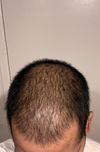
The conversation humorously discusses hair loss treatments, specifically mentioning Minoxidil, finasteride, and RU58841. The user jokes about the obvious signs of balding.
The user has been using RU58841 for 6 months without noticeable results and is considering dropping it while continuing oral minoxidil, daily dutasteride, and topical minoxidil. Another user suggests visiting a dermatologist to check for other conditions.
The conversation discusses topical androgen receptor blockers for hair loss, mentioning Clascoterone, Pyrilutamide, GT20029, and RU58841. Ketoconazole's effectiveness and application methods are also debated.
The user experienced hair loss improvement after 3.5 months using a regimen of finasteride, dutasteride, oral minoxidil, dermarolling, and a daily hair/skin/nails vitamin. They noted their hair became thicker, darker, and grew faster with no side effects, unlike their previous unsuccessful attempt with finasteride alone.
RU58841, a hair loss treatment, is available on Amazon, but its legitimacy is questioned due to sketchy reviews and lack of lab reports. Some users report seeing results, while others experience negative side effects.
The conversation is about a person starting treatment with RU58841 for hair loss. They are asked to share progress pictures to show if the treatment is effective.
A 5-year-old male considering using finasteride to prevent receding hairline, with suggestions ranging from topical minoxidil and estrogen treatments to hair transplantation and shaving.
Treatments for hair loss, specifically discussing the use of RU58841 and Pyrilutamide from Actifolic. The poster is inquiring about experiences with these products and results.
The launch of Pyrilutamide as a potential hair loss treatment, with people discussing whether it is better than treatments like finasteride and minoxidil. Some participants have also discussed the risks associated with importing drugs from China.
Treatments for hair loss, such as Minoxidil, finasteride, RU58841 and Eucapil; the legitimacy of RU58841 products; and safety concerns related to using RU58841.
The conversation discusses the potential interest in non-natural colored wigs and the challenges of finding affordable, realistic wigs, especially for those experiencing hair loss. It also touches on the idea of restoring old human hair to make wigs more accessible and affordable.
Ketoconazole shampoo may help with early-stage hair loss by stopping hair regression and promoting new hair growth, though its effectiveness as a DHT blocker is debated. Users report varying results, with some experiencing dryness and others seeing improvement when used 2-3 times a week.
Minoxidil and finasteride may cause different shedding patterns; the user experienced shedding with finasteride which stopped, and is now concerned about potential shedding after starting minoxidil. They have been on finasteride for 3 months, minoxidil for 1 week, and had exosome therapy 1 month ago.
A 19-year-old is experiencing excessive hair shedding despite using minoxidil, finasteride, and dutasteride. They are seeking advice on why these treatments aren't working and if their current regimen is appropriate.
A 17-year-old using 5% topical minoxidil experienced significant hair shedding after a year, possibly due to a "synchronization shed" and deficiencies in vitamin D and iron. Recommendations include continuing minoxidil, optimizing vitamin D and iron levels, and reducing tretinoin use if scalp irritation occurs.
A user experienced significant hair regrowth using Minoxidil but started shedding hair after switching brands and adding treatments like Topical Finasteride and microneedling. They also faced increased hair loss after using Ketoconazole shampoo and are seeking advice on whether brand switching or the shampoo could be the cause.
Increased coffee intake might be linked to hair shedding, but the cause is unclear. The user is on finasteride and has increased water intake, possibly affecting electrolyte balance.
The user experienced significant hair regrowth using oral finasteride, minoxidil twice daily, ketoconazole shampoo, and microneedling, despite heavy shedding. They stopped using topical finasteride due to discomfort and maintained progress with their current routine.
A user is concerned about hair shedding despite noticeable regrowth after 7 months of using finasteride. The dermatologist confirmed positive results, but the user remains skeptical and confused.
Loose-Message9596 has been experiencing hair loss for 3-4 years, initially due to low ferritin and vitamin D levels, and has tried treatments like vitamins, System 4, and PRP therapy. They are considering starting finasteride and minoxidil but are unsure due to their relatively low DHT level of 425.
After using finasteride for 7 months and dutasteride for 5 months, the user experienced a significant reduction in hair shedding and scalp itchiness. They advise patience with hair loss treatments and suggest focusing on a good haircut and reducing stress.
The user experienced increased hair shedding after one month on 0.25 mg finasteride, despite initial improvement. This shedding may be a normal phase in the hair cycle and could improve in the coming months.
People using finasteride and minoxidil for hair loss experience multiple shedding phases, with some reporting regrowth and improved self-esteem, while others struggle with ongoing hair loss. Despite the challenges, many find the treatments worthwhile, though results vary.
A 31-year-old male experienced hair shedding after rapid weight loss and stopping vitamins, despite using minoxidil and other supplements. He is considering Saw Palmetto and Pumpkin Seed Oil instead of finasteride due to trying for kids, and is concerned about high ferritin and DHEAS levels.
Hair shedding decreased significantly after using finasteride and minoxidil, with users reporting fewer hairs falling out when running fingers through their hair. Some users experienced initial shedding with treatments like dutasteride, but shedding eventually stopped or reduced significantly.
A 30-year-old male experienced rapid hair shedding over 6-7 months due to stress, depression, and nicotine/alcohol use, but has since stopped these habits. He seeks advice on remedies, medications, or diet changes to address hair loss.
Astaxanthin may cause increased hair shedding, affecting even transplanted hair and eyebrows. The user has tried various treatments for androgenic alopecia, including minoxidil, finasteride, and RU58841.
The user is experiencing flaking and shedding while using oral finasteride and minoxidil, which might be seborrheic dermatitis. A suggestion was made to try ketoconazole shampoo or cream and consider CBD with MCT oil, as shedding is common when starting these treatments.
The user experienced increased hair shedding after adding tretinoin to their regimen of finasteride, minoxidil, and dermarolling, but noticed new vellus hairs appearing. They plan to restart tretinoin more gently, as some users suggest shedding indicates treatment effectiveness, while others warn it may cause severe thinning for a minority.
Switching from finasteride to dutasteride for hair loss can cause increased shedding, which may indicate the treatment is working by replacing old hairs with new ones. The original poster is experiencing aggressive hair thinning despite long-term treatment.