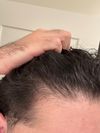
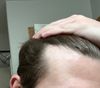
The user noticed increased hair loss over the past three years and is seeking advice. A suggestion was made to consult a dermatologist or trichologist and consider blood tests, particularly for vitamin D levels, to address potential androgenetic alopecia (AGA).
A user experienced excessive hair shedding after taking 17 mg of Zinc gluconate daily for acne. They are seeking advice on similar experiences and solutions.
The user is trying alternative hair loss treatments like caffeine shampoo and dermarolling before considering minoxidil or other advanced treatments, and has noticed an increase in vellus hairs and some strong terminal hairs after two months of daily caffeine shampoo use. They plan to continue the treatment and document progress.
A 22-year-old male has been experiencing widespread hair loss for over four years, including pain and significant shedding. Treatments tried include ketoconazole shampoo, fluocinonide topical solution, biotin, ACV, and dry shampoo, but none have been effective.
A 34-year-old male is experiencing significant hair shedding after five months on Finasteride, seeking advice and reassurance. Users suggest patience, as shedding can vary, and recommend continuing treatment, possibly adding ketoconazole shampoo, and considering lifestyle optimization.
The conversation is about a user experiencing hair shedding after starting oral minoxidil at 1.5mg for hair loss. Shedding is considered normal and may indicate the treatment is working, but it may take months to see full results; increasing the dose to 2.5mg should be carefully considered.
The user experienced significant hair shedding and dryness after starting minoxidil 8 months post-hair transplant, despite using finasteride and oils like castor and pumpkin seed oil. They expressed concern over the loss of density and the appearance of a failed transplant.
A 26-year-old male experiencing hair loss since 2020 is using topical 5% Minoxidil and 2% Ketoconazole shampoo for four months, still experiencing significant shedding. He is considering cutting his hair short and has not yet started DHT blockers like Finasteride or Dutasteride.
User shares 8-month progress on oral finasteride and minoxidil, noting initial success followed by a second shed. They seek advice on drug resistance and pill efficacy, with responses suggesting to push through the shed and consider the impact of cycling off minoxidil.
A 23-year-old male experienced significant hair shedding after one year on dutasteride and oral minoxidil, despite initial progress. He plans to improve medication consistency, undergo blood tests, and consult a dermatologist to explore potential causes and solutions.
The user has been using 2mg minoxidil and 1mg finasteride daily for over a year, with inconsistent use for two months, and is experiencing a shedding phase. Suggestions include adding dutasteride, micro-needling, and considering a shorter haircut to manage appearance during shedding.
A user has been on 1mg finasteride daily for 10 months, initially seeing great results, but started shedding heavily again at the 7-month mark. They are considering whether to continue with finasteride or switch to dutasteride.
Increasing the finasteride dosage from 1mg every other day to 1mg daily can cause increased shedding, which is normal as hair follicles adjust. Shedding may stabilize in a few weeks to months, and sticking with the new dosage could lead to better long-term results.
A user shared their hair progress after three steroid cycles, using 5% minoxidil and 100mg RU58841 daily. They are considering a hair transplant due to paranoia about shedding.
Stopping minoxidil often leads to significant hair shedding, and recovery to baseline can vary, with some users reporting no full recovery. Combining minoxidil with finasteride may help maintain gains, but stopping minoxidil typically results in losing the hair regrowth it provided.
The user is experiencing hair loss with symptoms of receding hairline, extreme shedding, and low density, possibly due to androgenic alopecia, diffuse thinning, retrograde alopecia, or telogen effluvium. They have used minoxidil and noticed changes in shedding patterns related to different water qualities and seborrheic dermatitis.
The user is using dutasteride, oral minoxidil, and ketoconazole shampoo for hair loss but still experiences hair shedding. Despite using these treatments for about 1.5 years, the user jokes about the ineffectiveness and dandruff issues.
Switching from topical to oral minoxidil may cause initial hair shedding, but oral minoxidil is likely more effective. Shedding should be temporary, and results should be monitored over a few months.
Transplanted hairs are thinning after switching from topical to oral minoxidil, with increased shedding and miniaturization. The user is considering reintroducing topical minoxidil and has started using ketoconazole shampoo.
The user experienced increased hair shedding after switching to oral minoxidil but saw improvement after resuming topical minoxidil. They recommend sticking with topical minoxidil if it has shown results and also use finasteride to manage side effects.
The user "Dekar__" is experiencing a significant shed on Minoxidil 5% foam after 2.5 months of use, with no visible regrowth yet. They are also using Alfatradiol.
The user plans to start hair loss treatment with minoxidil, finasteride, and microneedling, considering oral minoxidil to avoid affecting their cat. They are concerned about potential shedding and the impact of vaping on hair loss.
The conversation discusses hair loss and the potential impact of zinc supplementation, with some users suggesting it might contribute to shedding. The original poster is using finasteride and considering adjusting their zinc intake and dosage of finasteride.
Switching milk brands cleared scalp inflammation and other symptoms, but hair shedding continues. The user hopes shedding will stop as hair cycles progress.
Shedding is normal in the initial months of using 1mg finasteride and 2.5mg minoxidil, and new thicker hairs indicate the treatments are working. It may take up to a year to see full results, and the hairline might improve with continued use.
Hair shedding can still occur after long-term use of finasteride, and it is often part of the natural hair cycle. Some users consider adding minoxidil or switching to dutasteride to manage shedding.
Dutasteride caused persistent hair shedding and no improvement for 18 months, leading to a switch back to finasteride. The user also uses oral minoxidil and plans to focus on better scalp health.
A 21-year-old experienced severe hair loss after stress and tried PRP, mesotherapy, and a topical finasteride + minoxidil solution, which was costly and inconvenient. They switched to dutasteride, experienced heavy shedding, and are considering switching to finasteride, with advice to consult a qualified doctor for further guidance.