Hair loss and potential treatments, primarily focusing on Finasteride and Minoxidil. Other solutions discussed include PRP, dermarolling, LLP, and scalp tension relief.
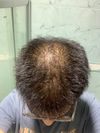
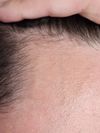
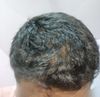
A 24-year-old male started using 1 mg finasteride and topical minoxidil for hair loss in February 2025. By June 2025, he noticed improvement in his right temple but experienced thinning at the crown and continued shedding.
A 19-year-old has been using finasteride, minoxidil, and microneedling to treat hair loss with no regrowth, feeling mentally affected by it. Advice given includes continuing treatment, considering a hair transplant, addressing potential vitamin deficiencies, and possibly switching to dutasteride or adding ketoconazole shampoo.
User shared 3-month hair loss progress using foam Minoxidil, finasteride, microneedling, and shampoos. They experienced side effects with oral Minoxidil but had success with topical treatments and finasteride.
A 37-year-old with a receding hairline started using finasteride and plans to add minoxidil, concerned that creatine and whey protein might accelerate hair loss. Another user suggests these supplements likely don't increase testosterone or cause hair loss, advising to monitor personal experience.
The user shared their positive experience with hair loss treatment using 1mg finasteride, 0.5mg minoxidil, vitamins, ketoconazole shampoo, and a thickening shampoo, noting significant progress and minimal side effects. They emphasized the importance of trying treatments despite initial shedding and shared their routine for managing frizzy hair.
A person dealing with hair loss is considering shaving their head, using scalp micropigmentation to cover a FUT scar, or trying a hair system. They are also contemplating treatments like minoxidil, finasteride, and dutasteride.
Hair loss discussion includes delay in others noticing balding, using hair fibers for peace of mind, and taking before and after photos. Finasteride and Minoxidil are mentioned as treatments.
Creatine may contribute to hair loss, and users suggest avoiding it or using DHT blockers like Saw Palmetto and green tea. Some users report personal experiences of hair loss after starting creatine, while others advise focusing on consistent exercise instead.
The user has been using finasteride, minoxidil, and ketoconazole for hair loss, showing good progress without significant side effects. They plan to have a hair transplant in March and hope to eventually stop using oral minoxidil.
The user has been using finasteride, minoxidil, and Nizoral for hair loss but is not seeing much regrowth. Suggestions include trying oral minoxidil with dutasteride, and some users believe the hair looks better in recent pictures.
The user restored their hair using 5% minoxidil liquid, a 5 mg minoxidil pill, and dutasteride, experiencing no side effects. Others shared mixed experiences with dutasteride and finasteride, noting side effects like reduced libido and erection issues.
Concerns about hair loss treatments like finasteride and minoxidil not being administered during a coma. Dutasteride remains in the system longer, and hair loss may not be immediate if treatment stops temporarily.
A 20-year-old is experiencing hairthinning due to vitamin D deficiency and has completed a vitamin D prescription without seeing improvement. Suggestions include waiting a few months for potential regrowth or considering treatments like minoxidil or finasteride for androgenetic alopecia.
The conversation discusses hairthinning potentially caused by seborrheic dermatitis, with the user considering over-the-counter treatments like Head and Shoulders, Selsun Blue, and Nizoral, while maintaining keratin-treated hair. A suggestion is made to use raw organic honey as a hair mask to treat seborrheic dermatitis without affecting keratin treatments.
After one month of treatment with finasteride, minoxidil, dermarolling, ketoconazole shampoo, hair vitamins, and vitamin D3, the user reports minimal visual progress and increased shedding, but notes stronger body hair and light fuzz on eyebrows. The user is inquiring about potential hair regrowth.
People discussed hair loss treatments, including finasteride, minoxidil, and microneedling, with varying results and concerns about genetics and hormone levels. Some users shared personal experiences with medication dosages and side effects, while others mentioned the impact of stress on hair loss.
The conversation discusses a claim that avoiding coffee can lead to significant hair regrowth in individuals with androgenetic alopecia. Participants are skeptical, with some sharing personal anecdotes that contradict the claim, and others discussing the potential role of caffeine in hair loss and the effectiveness of other treatments like finasteride and minoxidil.
The user tried oral minoxidil and dutasteride for hair loss after topical treatments failed, but with limited success. They suggest considering a hair system (toupee) as a more cost-effective and less complicated alternative to extensive non-regulated treatments.
A 21-year-old is experiencing hair loss and is unsure whether to choose minoxidil or finasteride. They prefer oral treatments and are leaning towards finasteride despite concerns about side effects and family opposition.
A 28-year-old male experiencing hairthinning is considering minoxidil and finasteride. Minoxidil helps regrow hair, while finasteride prevents further loss; both are usually lifelong treatments.
A 21-year-old male with advanced hair loss (NW7) started using finasteride and minoxidil 10 months ago but hasn't seen much progress. He is pre-diabetic with stage 1 hypertension and is seeking insights on whether treating these conditions could improve hair regrowth.
A 20-year-old is experiencing a receding hairline and thinning at the crown, using minoxidil 5% for 15 days. It is suggested to continue minoxidil and consider adding finasteride and ketoconazole shampoo for better results.
The user experienced hair loss and started using minoxidil (5%) and finasteride (0.5 mg daily) with inconsistent application but still saw noticeable improvements by the end of January. They use the liquid form of minoxidil.
A user experiencing hair loss despite using finasteride, minoxidil, and tretinoin. They're considering trying dutasteride or shaving their head if the situation doesn't improve.
The conversation discusses a hair loss treatment involving a hair transplant of approximately 2500 grafts to the frontal area, daily use of finasteride, twice-daily topical minoxidil, and daily caffeine shampoo since the hair transplant procedure. One person is skeptical about the improvement in the crown area with just finasteride and minoxidil.
A user shared their experience with hair loss treatments, including finasteride, minoxidil, and RU58841, which improved their hair from a diffuse NW3 to a solid NW2 - 2.5. They noticed significant changes in how people treated them after regrowing their hair, suggesting that attractiveness can greatly impact social interactions and opportunities.
The conversation discusses hair loss treatments, focusing on reducing scalp itching and dandruff using natural shampoos, witch hazel, and apple cider vinegar. The user also mentions using finasteride and observing potential regrowth, though it's difficult to confirm.