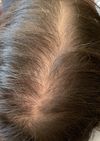
PP405 shows promise for hair follicle reactivation with minimal side effects. Users recommend continuing Minoxidil and Finasteride until more results are confirmed.
A 25-year-old has used minoxidil for 7 years, finasteride for 2 years, oral minoxidil and dutasteride for 3 months, and also tried microneedling and nizoral. They are considering a hair transplant but are concerned about being a good candidate due to potential retrograde alopecia.
PP405 and ABS-201 are promising treatments for male pattern baldness. PP405 shows rapid hair growth in human trials, while ABS-201 shows significant regrowth in animal studies but is still in early human trials.
DUPA is considered more treatable than FAPD, as FAPD involves scarring that prevents hair regrowth. The user has started treatment with oral dutasteride and minoxidil, hoping for better results than previous treatments.
Microneedling with finasteride, minoxidil, DMSO, and black seed oil shows mixed hair regrowth results. There are concerns about DMSO's safety and effectiveness.
User started balding at 16 and began treatment at 18, using RU58841, minoxidil, derma rolling, and peptides. After 6 months, they experienced significant hair regrowth and are happy with the results.
The conversation is about a person considering making their own topical finasteride to avoid side effects from oral use. They discuss potential methods and ingredients, including cayenne pepper extract, rosemary, and coconut oil, and seek advice on effectiveness and alternatives like light therapy or dermarolling.
A blood cancer survivor in remission since 2022 is experiencing thin and patchy hair after chemotherapy and is using Minoxidil without much success. They are seeking personal experiences and advice on hair transplants after cancer treatment.
The user has been using finasteride and Alpecin shampoo for about three years, reporting thicker hair but an unchanged hairline. They are happy with their hair progress, noting the most improvement in the past five months, and mention a slight decrease in libido.
A 20-year-old male has been using 1mg finasteride and 5% minoxidil daily for 1.5 to 8 months and is unsure about regrowth. Suggestions include continuing the treatment, trying microneedling, or considering oral minoxidil.
Switching from finasteride to a generic dutasteride led to unexpectedly high DHT levels, prompting a switch to a reputed brand and consideration of softgel capsules for better absorption. The user plans to retest DHT levels and may return to finasteride if issues persist.
The user is experiencing ongoing hairloss despite using a comprehensive treatment regimen including dutasteride, oral minoxidil, cyproterone acetate, transdermal estradiol, and topical bicalutamide. They suspect cyproterone acetate may be worsening their hairloss and are considering switching to injection monotherapy.
A hairloss treatment protocol involving topical and oral medications such as Minoxidil, RU58841, Finasteride, Dutasteride, Melatonin, Zinc, Vitamin B6, NAC, Caffeine, Biotin, Ginseng, and Semen; other treatments including Microneedling, Laser Helmet, Nizoral shampoo, Scalp Massage and supplements like Vitamin C, Vitamin D, Fish Oil, and Biotin; and the potential side effects of using this protocol.
People discussed their intense hairloss treatments, including the use of dutasteride, RU58841, minoxidil, tretinoin, essential oils, microneedling, and various topical sprays. Some users reported success with these methods in preventing hairloss and stimulating hair growth.
Hairloss treatments include finasteride, minoxidil, alfatradiol, vitamins, red light therapy, ketoconazole shampoo, meditation, green tea, leg workouts, and silk pillows. Genetics is emphasized as the primary factor in hair health, with some humor about unconventional methods like drug use affecting hairloss.
The user has been dealing with hairloss since middle school and has tried various treatments like mesotherapy, PRP, and red light therapy without success. Currently, they use minoxidil, finasteride, and dutasteride but are considering a hair transplant due to limited improvement.
Treatments for hairloss, such as minoxidil, finasteride, and RU58841; humorous posts about hairloss; and the choice to stop using treatments in exchange for a different look.
The conversation is about a hairloss treatment protocol involving microneedling, finasteride, RU58841, minoxidil, ketoconazole shampoo, and a scalp massager with oils. Some users advise starting with fewer treatments like finasteride, minoxidil, and microneedling to avoid potential side effects.
The user is treating hairloss with topical Minoxidil, Finasteride, RU58841, microneedling, and Ketoconazole. For grey hair, they use L-Cysteine, L-Methionine, and PABA, and have noticed some re-pigmentation.
The conversation is about a person struggling with inconsistent hair styling due to thinning hair, despite being on hairloss medications. They find that ketoconazole 2% shampoo helps, but conditioning makes their hair look worse; others suggest staying consistent with treatment and using hair fibers for events.
Hairloss treatments include finasteride, minoxidil, microneedling, dutasteride, CB-03-01, RU-58841, and experimental options like KY-19382 and stem cell therapy. Some treatments are considered ineffective or risky, such as ketoconazole, PRP, and low-level laser therapy.
The conversation discusses hairloss treatments, specifically the use of dutasteride, finasteride, and other methods like PRP, laser, and mesotherapy. Despite these treatments, the user is experiencing hairloss, and others suggest consulting a dermatologist, considering alternative treatments, and addressing potential scalp inflammation.
A woman experienced significant hairloss due to medication, hair coloring, and heat damage, leading her to shave her head and feel distressed. She is considering using wigs and possibly oral minoxidil to manage the situation while her hair regrows.
Finasteride is effective for DHT/AR-driven hairloss but not for chromosome 20-driven cases, where treatments like minoxidil, prostaglandin analogs, and low-level laser therapy may be more beneficial. Genetic testing can help determine the underlying cause of hairloss to tailor treatment effectively.
A 21-year-old male shared his extensive hairloss treatment protocol, which includes Dutasteride, RU58841, Ketoconazole shampoo, oral Minoxidil, pyrilutamide, MK677, dermastamping, and castor oil, and reported improved hair regrowth and overall well-being. He has experienced no side effects and has also improved his diet and lifestyle.
DHT causes hairloss by driving cells into senescence, and a polyphenol in black chokeberry may reverse this. A product using this theory is being considered for use alongside finasteride, minoxidil, and microneedling.
The user is concerned about hairloss despite taking finasteride and has a hair transplant scheduled. They experience scalp itching and burning, which hasn't been relieved by various treatments, and another user suggests using ghk-cu & ahk-cu serum and Koshine kx-826/pyrilutamide for relief.