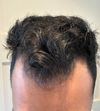
The user experienced significant hair shedding after starting finasteride, RU58841, and topical minoxidil. They increased their finasteride dosage and added dutasteride, seeking advice on whether this reaction is normal and its duration.
The user experienced significant hair regrowth using a daily oral combination of minoxidil (3mg) and finasteride (1.1mg) without side effects. Others shared their experiences with similar treatments, noting varying results and side effects.
The user is frustrated with hair loss treatments like finasteride, minoxidil, dutasteride, and oral minoxidil, which have been ineffective and caused scalp itching. They are skeptical about these treatments' effectiveness and consider alternative options like ketoconazole shampoo and RU58841.
A 27-year-old shares his hair loss recovery journey using Minoxidil 5%, topical Finasteride 0.1%, oral Finasteride 1mg, Ketoconazole 2%, Climbazole + Piroctone Olamine weekly, and Vitamin D3 60k I.U. weekly. He reports significant improvement over four months.
Eli Lilly's drug baricitinib showed effectiveness in treating alopecia areata, with higher doses resulting in significant hair regrowth compared to placebo. The treatment is not for male pattern baldness.
Inflammation plays a significant role in hair follicle miniaturization and androgenetic alopecia, with treatments like ketoconazole shampoo, minoxidil, and finasteride being used to address it. Users discuss the benefits of anti-inflammatory treatments and peptides like KPV, alongside traditional hair loss treatments, to improve scalp health and hair quality.
The user experienced eyebrow hair loss and tried various treatments, including Minoxidil, a Capsaicin-based product, Latanoprost, Bimatoprost, Castor Oil, and Travoprost. Despite initial setbacks and a brutal shedding phase, they eventually saw positive results with Travoprost, encouraging others not to give up on treatments.
Some hair loss may be linked to chromosome 20, which isn't affected by DHT blockers like finasteride. Treatments like minoxidil, microneedling, and genetic testing are suggested, but their effectiveness for this type of hair loss is uncertain.
A user experienced no hair regrowth after using oral minoxidil, topical finasteride, minoxidil, and tretinoin, and reported side effects from oral finasteride. They are considering switching to dutasteride or using hair fibers for better results.
Hair loss is linked to cellular physiology and the IGF-1 to TGF-B1 ratio, not just androgen sensitivity. The theory lacks evidence, while finasteride and minoxidil are effective treatments.
The user experienced hair repigmentation and attributes improvements in hair and overall health to a carnivore diet, Boron, and Selenium supplementation. They stopped using finasteride after 20 years, noticed increased testosterone and libido, and observed hair regrowth with RU58841.
Treating hair loss with a combination of topical minoxidil and finasteride, as well as keto shampoo twice weekly; other treatments such as microneedling and oral finasteride were discussed but the user is hesitant due to potential scarring. Additionally, another user suggested switching to oral minoxidil for further gains.
The user is experiencing hair thinning despite using finasteride and minoxidil with added tretinoin, and is considering switching to dutasteride. Suggestions include trying dutasteride, oral minoxidil, microneedling, and possibly a hair transplant for better results.
A user shared their hair loss treatment routine, which includes oral and topical Minoxidil, dermarolling, Keto shampoo, multivitamins, Biotin, oils, protein intake, and water. Another user suggested adding finasteride and continuing the routine for 6-12 months.
The user is cautiously optimistic about their hair regrowth after 6 months of using minoxidil, finasteride, tazarotene, microneedling, ketoconazole shampoo, and rosemary oil. They report healthier hair and new growth, with side effects from minoxidil subsiding over time.
User losing hair for 3 years tried shampoos, minoxidil, derma rolling, finasteride, and Adegen's 15% minoxidil protocol without success. Another user suggests lowering finasteride dosage and trying topical non-steroidal anti-androgens like Fluridil, RU58841, and Breezula.
The user is frustrated with hair loss, having switched from topical minoxidil and finasteride to dutasteride and oral minoxidil without seeing improvements. They are considering a hair transplant and are advised to continue the current treatment and explore therapy or lifestyle changes.
Hair loss treatments that avoid significantly lowering systemic DHT levels, focusing on topical options like dutasteride mesotherapy, minoxidil, and ketoconazole. The user is exploring alternatives like KX-826 and RU58841 due to concerns about hormone levels.
The user is experiencing hair loss and has been using topical Minoxidil 5%, Keto 2% shampoo, and Tretinoin 0.025% for six months, with plans to start topical Finasteride 0.1% soon. They are advised to focus on DHT blockers like Finasteride and consider additional tests and supplements to address potential deficiencies and scalp health.
A 25-year-old male is experiencing advanced hair loss and is using topical and oral minoxidil, topical finasteride, and vitamin D3, but has not seen significant regrowth. He is considering switching treatments, including oral dutasteride, topical spironolactone, and possibly a scalp biopsy to better understand his condition.
A 27-year-old male experiencing increased hair loss despite using 0.5mg dutasteride daily, minoxidil nightly, and optimizing vitamin D, is considering zinc supplementation and seeking a dermatology referral. Concerns about potential shedding, thyroid levels, and zinc dosage are discussed, with advice to monitor and avoid over-supplementation.
Hair loss was triggered by a testosterone and Masteron cycle, causing scalp tension and shedding. Topical finasteride, RU58841, and oral minoxidil were used to stop shedding and improve scalp condition.
A user achieved significant hair regrowth from Norwood 3 to a dense Norwood 2 after five months using oral dutasteride, oral minoxidil, and a topical solution with minoxidil, retinoic acid, and hydrocortisone. The user reported no side effects and found the topical treatment especially effective for the hairline.
A 25-year-old experienced worsening hair loss and side effects like low libido and watery semen after using minoxidil, finasteride, and later switching to dutasteride. Despite trying various treatments, including topical solutions and micro-needling, they saw no improvement and are now seeking advice.
A 30-year-old is seeking advice on hair loss treatment, currently using oral minoxidil, finasteride, mesotherapy, and a supplement. They are experiencing shedding and are anxious about the effectiveness of the treatment, asking if they should continue or consider other options like topicals or microneedling.
DUPA and retrograde alopecia may not be solely DHT-based, and a biopsy is crucial for accurate diagnosis and treatment. Treatments mentioned include dutasteride, oral minoxidil, pioglitazone, clobetasol, calcipotriol, ketoconazole, and doxycycline, depending on the specific condition.
A 26-year-old is starting a hair loss treatment using 1mg oral finasteride daily, 5% topical minoxidil foam twice daily, 2% ketoconazole shampoo weekly, and microneedling once a week. They noticed worsening hair loss over the past year and are seeking advice.
A 25-year-old is struggling with hair loss despite using treatments like oral Minoxidil, oral and topical Finasteride, Dutasteride, and PRP sessions. They feel frustrated with inconsistent treatment strategies and are seeking advice on managing thin hair and regaining confidence.
The conversation discusses a user's unconventional hair loss treatment involving scalp massage, dermastamping, and pouring hot water to induce a burning sensation, with a warning not to try it without further evidence. Other users suggest more traditional treatments like Minoxidil and finasteride, while expressing skepticism and concern about the hot water method.