Search
for
Sort by
Community Join
90-120 / 1000+ resultscommunity (4m - 6m fin) Still feel like it getting worse
community A hill on which I will die: The DHT itch absolutely exists
The DHT itch is linked to hair loss and persists despite finasteride use; switching to dutasteride helped alleviate the itch and promoted regrowth. Some users suggest seborrheic dermatitis as a cause and recommend treatments like medicated shampoos, vitamin D, and minoxidil.
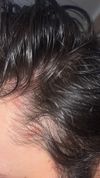
community Recent Scalp Itching and Redness, Using Tea Tree/Rosemary Oil, Advice?
The user is experiencing scalp irritation and hair thinning, possibly due to stress, with red patches on the face and dry skin. They are considering seeing a dermatologist and have used tea tree and rosemary oil.
community Seb derm & ru: after quitting ru for a week after 2+ years of use, my scalp is itching a lot less
Quitting RU58841 after over two years reduced scalp itching and inflammation, despite concerns about losing hair gains. The user continues using finasteride and oral minoxidil.
community RU58841 - Side Effects - Day 4: Chest Pain & Tightness, Bloodshot Eyes and some sort of inflammation/irritation on my throat.
RU58841 caused chest tightness, throat irritation, and headaches, leading the user to stop its use. The user plans to restart with a lower dose if symptoms fully disappear but remains cautious due to anxiety and side effects.
community What the hell happened to Breezula?
Breezula (clascoterone) Phase 3 hair loss trial results are delayed, with no official updates yet. The acne version is approved, but hair loss results are still pending.
community Diffuse thinner- 2 months progress. Oral Fin,Min, topical RU
community Anyone else experiencing scalp inflammation? Get in here!
A user found that taking Zyrtec (Cetirizine) and Advil helped reduce their scalp inflammation and pain, potentially creating a better environment for hair growth. They have not used any other medication for hair loss or scalp issues.
community 21 y/o. MPB. Having an itchy/burning scalp no matter what I do or try. Any advice please? Thanks.
A 21-year-old experiencing itchy and burning scalp with hair loss was diagnosed with MPB and scalp inflammation. They were prescribed Ketoconazole, Prednisone, Clindamycin, and Finasteride, and are considering trying antihistamines, dietary changes, and "nopoo" to alleviate symptoms.
community 2.5 mg/ED dut and 1% pyrilutamide, still getting itch?
The user switched from finasteride to 2.5 mg dutasteride daily and added 1% pyrilutamide to address persistent scalp itch, but the itch remains. They also use 2% ketoconazole and 2.5% selenium sulfide shampoo for temporary relief.
community Kintor has released an investor relations memo regarding Chinese Phase III trials for Pyrilutamide
Kintor's Pyrilutamide (KX-826) showed hair growth in Chinese Phase III trials but did not significantly outperform placebo. The treatment was safe with no major adverse reactions reported.
community Pili migrans? Lichen something? Seb derm?
The conversation is about a female experiencing hair loss and seeking advice on why it's difficult to regrow hair. Specific treatments like Minoxidil, finasteride, or RU58841 are not mentioned.
community 1 Year of Topical Fin/Min Application
community Has anyone experienced burning scalp after chemical damage (perm)?
A user experienced burning, itching, and soreness on their scalp after a perm in 2021, despite using oral finasteride, oral minoxidil, and ketoconazole shampoo. They are seeking advice on whether to pursue further medical tests or consult a neurologist for nerve pain.
community Suggestions?
The user is experiencing chronic folliculitis with scalp sores and is concerned about a receding hairline. They have tried various treatments including antibiotics, Nizoral 2% shampoo, and lifestyle changes, but are seeking further advice.
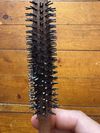
community What’s wrong with my scalp?
The user is experiencing white flakes on their scalp despite using anti-dandruff shampoos and oils for six weeks. A suggestion was made to try ketoconazole at higher concentrations, as it might be seborrheic dermatitis, which can lead to hair loss if untreated.
community Minoxidil allergy with swollen lymph nodes - Need help!
A user experienced an allergic reaction, including swollen lymph nodes, to Minoxidil 5% with an aqueous base. Switching to a non-alcohol-based Minoxidil (Prolox 5%) resolved the allergies.
community Topicals for sensitive scalp (+sed derm)
community Scalp inflammation cleared after stopping "spoiled" milk - what about follicles,shedding?
Switching milk brands cleared scalp inflammation and other symptoms, but hair shedding continues. The user hopes shedding will stop as hair cycles progress.
community 5 montsh of treatment with min-fin
community Burning/itching sensation & terrible tenderness on scalp accompanied with heavy shedding
The user is experiencing increased hair shedding, scalp sensitivity, and itching despite using finasteride for four months, and has tried various shampoos without relief. They are advised to consult a dermatologist for potential scarring alopecia and consider other treatments like adding Dutasteride.
community Feeling pretty hopeless... Dry skin and eczema causing my alopecia.
The user has been using dutasteride, lymecycline, betamethasone, and minoxidil for hair loss but struggles with eczema and dry skin. They feel hopeless as no treatments or moisturizers have helped, and they are concerned about their appearance due to their soft facial features.
community Has anyone tried Winlevi (a.k.a. Clascoterone or CB-03-01) on their scalp yet?
The acne medication Winlevi, which contains Clascoterone, is available in the U.S. and may slow down hair loss until a higher concentration treatment, Breezula, is released.
community Tretinoin help. Slight burning and lots of peeling
User is using minoxidil with tretinoin 0.025% and experiencing peeling and burning on the scalp. They are unsure if it's effective or if they are using it too frequently.
community Handle the itch from Minoxidil?
Minoxidil can cause scalp itchiness, often due to propylene glycol, and users suggest alternatives like foam formulations without PG, using moisturizing oils, or reducing application frequency. Some recommend ketoconazole or zinc pyrithione shampoos to help with inflammation and itchiness.
community Post Low-Level Laser Light Therapy Syndrome (PLLLTS )
Hair loss discussion includes LLLT treatments and a satirical condition called PLLLTS, causing patients to resemble lighthouses and attract moths. Some users express concern about others taking the satire seriously.
community Clascoterone study going on right now
A user is participating in a phase 3 trial for Clascoterone, a topical acne medication that may stimulate hair growth, and will share results after 6 months. They will have a section of their hair shaved and marked with a tattoo for the study.

community Scalp redness and in that spot having thinning hair?
The user noticed increased hair thinning and scalp redness on one side of their temple. They are seeking advice on what this could be and how to address it.