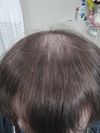
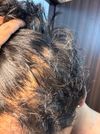
A 25-year-old is considering starting Minoxidil and finasteride for hair loss. Another user suggests it's hard to advise without knowing the person's hair history.
A 24-year-old had an FUE hair transplant in Liverpool at age 23, after starting finasteride at 20 to halt hair loss. The transplant involved 3000 grafts, and the user is satisfied with the results, noting increased confidence and no further hairline recession.
A user shared their hair regrowth journey from age 21 to 25 using finasteride and a carnivore diet. Other users debated the effectiveness of diet changes versus genetic factors in hair loss.
PP405 is considered a promising potential cure for hair loss, with phase 2 trial results expected in February 2025. Hair cloning is also discussed as a potential ultimate solution, despite significant scientific challenges.
A 24-year-old male is experiencing hair thinning and feels hopeless, considering treatments like finasteride and minoxidil but is concerned they might not work. He is also contemplating a dermatologist visit and is unable to afford a hair transplant.
A 19-year-old shares his hair loss experience and treatment routine, which includes 1mg finasteride daily, 2mg oral minoxidil daily, ketoconazole shampoo every 2 days, and a healthy lifestyle. He notes that oral minoxidil is showing better results than topical minoxidil.
The user has been using 0.5 mg oral finasteride and recently switched to 2.5 mg oral minoxidil from topical application. They are observing potential early regrowth with longer baby hairs.
HMI 115 did not work as expected for hair regrowth in humans, unlike in macaque monkeys. There is anticipation for further research on prolactin's role in hair loss, with expectations that pharmaceutical companies will likely solve this before universities.
A 25-year-old is considering starting finasteride to address hair thinning and plans to consult a dermatologist in July. They are hopeful finasteride will help thicken miniaturized hairs around their hairline.
Hair loss, and treatments such as finasteride and oral minoxidil being discussed. Some people shared stories of their personal experiences while others gave humorous replies.
As it was at 1 year
This conversation is about a user who has been using finasteride and minoxidil for 18 months to treat hair loss, with positive results. They have also made lifestyle changes such as the use of Hims shampoo and conditioner, gym workouts, and eating proteins on weekdays.
Volunteers using finasteride and minoxidil are needed to test if intense calf raises increase hair shedding. The goal is to see if overexertion of leg muscles affects hair loss.
The user is experiencing significant hair thinning and receding and is seeking advice. Suggestions include starting treatments like finasteride or minoxidil and considering a short haircut to manage the appearance of thinning hair.
The conversation is about a 22-year-old using dutasteride and topical minoxidil for hair regrowth, showing significant improvement in hair thickness and temple regrowth. Users commend the progress and inquire about the specific routine and dosage.
A 17-year-old male is concerned about hair loss and is considering treatments like Minoxidil, finasteride, and RU58841. The discussion includes sharing images of the hair condition for advice.
Results for Amplifica's AMP-303 hair loss treatment study are expected late summer 2024. The study, fully enrolled in Q1 2024, focuses on safety and tolerability.
Hair loss is less common now due to accessible treatments like finasteride, minoxidil, and hair transplants. Improved hair care, skincare, and lifestyle changes contribute to people looking younger today.
An 18-year-old male with a family history of baldness started using 5% minoxidil and 0.01% finasteride spray for hair loss. Suggestions included getting a blood test, considering oral dutasteride, and trying oral minoxidil.
A 45-year-old male experienced significant hair regrowth using 0.5 mg dutasteride and 1.5 mg minoxidil after initially starting with finasteride. He reports no major side effects, except increased hair growth in unwanted areas, and attributes his success to being a good responder to the medication.
The conclusion of the conversation is that the user, who has been using finasteride for 11 years and then switched to dutasteride and minoxidil, has experienced minimal side effects and significant hair regrowth. They also mention that side effects are rare and often related to other factors such as poor diet and low testosterone levels.
A 28-year-old male with a family history of baldness is deciding whether to start finasteride now or wait for visible hair changes. He is considering starting finasteride immediately to proactively address potential hair loss.
User applied topical Minoxidil 5% and Finasteride 0.1% daily, with rosemary oil weekly, and saw initial baby hair growth. They plan to add derma stamping and Redensyl serum.
The user shared their 18-month hair loss treatment progress, using finasteride three times a week, daily minoxidil, weekly vitamin D, and bi-weekly nizoral shampoo. They experienced initial shedding and greying, but are satisfied with the results.
A 21-year-old male experienced significant hair regrowth over a year using dutasteride, minoxidil, and ketoconazole shampoo. He noted improvements despite irregular application and mentioned that his hair is now thicker, with a previously bald spot completely gone.
TWIST-1 gene's role in hair loss and potential as a treatment target. Inhibiting TWIST-1 may prolong hair growth and reduce hair follicle sensitivity to DHT.
A user shared their year-long hair loss treatment using minoxidil, microneedling, and scalp massages, reporting moderate hair growth and stabilization. They suggest starting early with less harmful methods and consider adding finasteride or dutasteride if needed.