The conversation is about a product called Serioxyl, which was expected to contain stemoxydine. It clarifies that Diethyl lutidinate is another name for stemoxydine.
The user is using Dutasteride, Nizoral, and RU58841 for hair loss and is considering mixing RU58841 with Stemoxydine for better scalp coverage but is concerned about the potential degradation of RU58841 when mixed with a water-based solution. They are seeking advice on the feasibility of this mixture.
The conversation discusses the differences between KB solution and PG + Ethanol solution for RU58841 in treating hair loss. It compares the effectiveness and properties of these two solutions.
A user seeks advice on mixing RU58841 serum using European ingredients, specifically struggling to find propylene glycol. They are looking for alternatives to American products commonly recommended in guides.
A user asked if olive oil can replace propylene glycol or glycerin in topical finasteride preparation. Another user advised against it, suggesting MCT oil instead due to olive oil's potential to worsen dandruff and seborrheic dermatitis.
The conversation is about alternatives to minoxidil for hair growth, as the original poster experienced chest tightness from using it. They are currently using finasteride and considering options like rosemary oil, pumpkin seed oil, and other topical treatments, but acknowledge that minoxidil and finasteride are the most scientifically supported treatments.
The post discusses a hair loss treatment regimen using saw palmetto, pumpkin seed oil extract, EGCG (green tea) extract, grape seed oil extract, rosemary oil extract, and Zix. The user plans to use these DHT-blockers and 5AR inhibitors for six months and report the results.
The conversation is about personal experiences with Nifeishi rosemary mint oil for hair loss and requests for an ingredient review to assess its quality. Specific treatments mentioned are Minoxidil, finasteride, and RU58841.
The user is exploring alternatives to finasteride and dutasteride due to concerns about side effects, and is using rosemary and jojoba oil, ketoconazole, minoxidil, microneedling, multi-peptide serum, saw palmetto, and stinging nettle for hair loss. They are also considering CB 03 01 and spironolactone.
The conversation is about determining which type of Saw Palmetto, either Chamaerops humilis or Serenoa repens, is effective for inhibiting the 5 alpha reductase enzyme related to hair loss. Specific treatments mentioned are Minoxidil, finasteride, and RU58841.
Batana oil is gaining attention for hair growth, but users suggest Minoxidil as more effective. Some recommend using both Batana and Rosemary oil for better results, though skepticism about viral claims exists.
Bovine colostrum is being discussed for its potential in hair regeneration, with some users noting that oral consumption may not be effective due to stomach acid destroying exosomes. The conversation also touches on ethical concerns about sourcing colostrum.
Be cautious when sourcing PP405 or its analogs from third-party suppliers due to potential safety risks and lack of regulatory approval. The conversation highlights concerns about counterfeit products and the absence of reliable testing, making it risky to use such treatments.
A double-blind clinical study that found ingestion of tocotrienols resulted in a 34.5% increase in hair regrowth compared to the placebo group, and discussion about potential side effects and cost of supplementation with vitamin E pills. The conversation noted that it may be more effective than commonly used treatments like minoxidil and finasteride.
The conversation discusses using oils like pumpkin seed, rosemary, peppermint, and grape seed oil for hair regrowth, claiming they can be as effective as finasteride or minoxidil without side effects. Some users remain skeptical and prefer proven treatments like minoxidil.
The conversation discusses using GHK-Cu, C60, and saw palmetto oil as treatments for hair loss. Specific treatments mentioned include Minoxidil (Min), Finasteride (Fin), and RU58841 (RU).
2-deoxy-D-ribose, a sugar molecule, is found to be 80%-90% as effective as Minoxidil in promoting hair growth, showing potential for alopecia treatment. Concerns include high cost, lack of human studies, and possible side effects like diarrhea and nausea.
PP405 is a new hair growth stimulant different from Minoxidil, currently in phase 2 trials. Users discuss its potential, safety concerns, and the long wait before it might be available.
The conversation is about selling KY19382 powder, a novel activator of Wnt/β-catenin signaling, and Kolliphor EL liquid for vehicle formulation. The seller offers worldwide shipping.
The conversation is about using a blend of coconut oil, peppermint oil, and rosemary oil with minoxidil for hair loss, and whether it's safe to apply this blend after microneedling.
Procyanidin B2, a compound derived from Annurca apples, as a potential treatment for pattern hair loss. Several clinical studies were mentioned, which found that procyanidin B2 could increase hair growth, density, and keratin content. Other treatments such as Minoxidil, Finasteride, and RU58841 were not discussed.
Tocotrienols are being discussed as a potential treatment for hair regrowth, but users report no noticeable effects after several months of use. Some users are combining tocotrienols with other treatments like pumpkin seed oil and peppermint and rosemary oil.
Kintor changed their KX-826 pictures on Amazon after backlash over fake images. Users are skeptical about the product's effectiveness and trustworthiness, with some preferring finasteride instead.
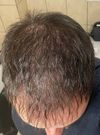
The user experienced side effects from using 1% finasteride and 2% minoxidil, including dermatitis, erectile dysfunction, and heart palpitations. They switched to using 2000mg pumpkin seed oil, saw palmetto capsules, and applying pumpkin seed oil and rosemary oil twice a week, seeking feedback on results.
PP405 might take 3-4 years to be available, but some claim Everychem offers a similar product, though its effectiveness is debated. Users discuss the risks of using untested grey market products and the potential for adverse effects.