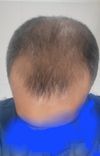
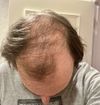
Chris's hair transplant looks better, but the hairline is criticized for being too straight and unnatural. Some recommend using finasteride and minoxidil for maintenance.
A 31-year-old experiencing rapid hair loss is considering whether to shave their head or use treatments. They were prescribed B12, topical finasteride 0.1%, and minoxidil 10% but are unsure about the correct dosage and potential side effects.
A user is experiencing accelerated hair loss and is struggling to maintain their mohawk. They are seeking alternatives to Minoxidil and Finasteride, considering a hair transplant, and looking for a doctor in Berlin who can prescribe Finasteride.
The conversation discusses concerns about using a high concentration of 1% topical finasteride for hairline balding, with some users suggesting starting with a lower dose. It also mentions the use of GHK-CU peptide and the importance of considering the formulation to avoid excessive absorption.
A 37-year-old man is seeking advice for hair loss treatment, considering options like finasteride and topical or oral minoxidil. A user suggests consulting a doctor and monitoring blood pressure if using oral minoxidil.
A user trying to avoid an expensive hair transplant, and the replies suggesting they wait two years on treatment before deciding if they need a transplant or not.
The conversation discusses various theories of hair loss, including DHT sensitivity and genetic factors, with the user willing to use themselves for research due to having a hair loss gene but different hair loss patterns compared to their brothers. Specific treatments were not mentioned in the provided text.
PP405 is a new hair loss treatment advancing quickly in trials, generating excitement and skepticism about its effectiveness and marketing claims. Some see it as a potential alternative to minoxidil and finasteride, but concerns about long-term effects and the need for DHT blockers persist.
Hair loss approaches: 1) using treatments like Minoxidil, Finasteride, RU58841, vitamins, and transplants, or 2) accepting hair loss, trying minimal treatments, and shaving head. Users share experiences and preferences between options.
Hair loss treatments, including PP405, minoxidil, finasteride, and RU58841, with hopes for future solutions. Participants discuss the emotional impact of hair loss and consider alternatives like hair transplants or acceptance.
A user with diffuse hair loss for a decade tried various treatments, including LLLT Helmet, supplements, topicals, and hair transplants. They found relief from scalp inflammation and itching using a topical solution made from crushed Xeljanz pills mixed with ethyl alcohol.
A 16-year-old is experiencing hair loss and is using minoxidil, finasteride, and plans to add RU58841, while considering other treatments like MK-677 and microneedling. Concerns are raised about the potential impact of these treatments on puberty and development.
A 36-year-old considering a fourth hair transplant is advised to either shave his head or use a hair system due to poor results from previous transplants and late medication use. He plans to consult top surgeons and adjust his current treatments, including finasteride and minoxidil.
A user's transformation from an accountant to a spartan with a full beard, discussing the potential of DUPA and alopecia areata, as well as treatments like vitamins, topicals, and natural treatments for potential regrowth.
The conversation discusses a user's plan to inject NAD+ and GHK-Cu into their scalp to improve hair health, with concerns raised about the risks of infection and necrosis. Alternatives like finasteride, dutasteride, microneedling, oral minoxidil, and scalp massages are suggested.
A 24-year-old is considering a hair transplant but is hesitant due to cost and finding his shaved head looks better than expected. He plans to try finasteride to improve hair density after unsuccessful attempts with minoxidil and dutasteride.
Amplifica is testing a compound called AMP-303 for hair loss, but it's not Scube3 or osteopontin. The timing for the results from the clinical trial is unknown.
Hair loss treatments discussed include promising Pyr available online and Verteporfin dosing after FUE for follicle regeneration, but no updates on SCUBE3.
A user shared their experience with hair loss and a hair transplant at the Scandinavian Hair Institute, using finasteride every other day as part of their regimen. They expressed satisfaction with the transplant results and decided against using minoxidil due to its inconvenience and potential side effects.
A 24-year-old considering a hair transplant is currently using dutasteride for hair loss. They are unsure about proceeding with the transplant due to concerns about future hair loss and the need to shave their head for the procedure.
The user is experiencing significant hair loss and is considering treatments like minoxidil, finasteride, and possibly a hair transplant. They are advised to consult a dermatologist and consider oral minoxidil and dutasteride, while being aware of potential side effects and the need for ongoing treatment.
Clascoterone lotion, being tested in Germany, is as effective as Minoxidil and Finasteride for hair loss but without serious side effects. About 400 men participated in the trials.
A user is using Minoxidil, finasteride, saw palmetto, and Minimalist RCP serum to address hair thinning, with some success but concerns about the long-term benefits of Minimalist. They plan to continue Minoxidil and finasteride for another year before considering a hair transplant.
The conversation discusses an interview with Dr. Tsuji about hair follicle stem cell multiplication and the financial challenges of starting human clinical trials. It also mentions the need for funding to secure a patent for a protein that promotes hair growth.
The conclusion of the conversation is that the user has decided to embrace their hair loss and has buzzed their head. They plan to continue their current hair loss treatments until they run out of stock. They also mention having dandruff and will continue medication for that.
The insecurity people feel when going to the barber for a haircut due to visible hair loss. Replies include encouragement, advice such as looking for more understanding barbers and female hairdressers, as well as suggestions of trying at-home haircuts or using treatments like minoxidil, finasteride, and RU58841.