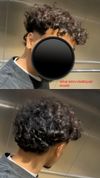
Cetirizine 10mg daily reduced hair shedding by 50% and lessened scalp itchiness. The user is considering long-term use for scalp inflammation and hair loss.
The user shared their experience with CB-03-01 (Breezula/Clascoterone) for hair loss, noting reduced shedding and improved hair appearance but experiencing significant sleep disturbances and low energy due to HPA axis suppression. They decided to stop using it due to these side effects and are waiting for GT20029 as an alternative.
A user found that scalp itch might be linked to inflammation rather than DHT alone and noticed hair improvement with certain cancer drugs. They also discovered that black seed oil relieved their scalp itch and are experimenting with a mix of essential oils for dry scalp, questioning if oils affect minoxidil absorption.
The user experienced negative side effects from oral minoxidil, including cardiac issues and excessive sweating, and decided to switch to topical minoxidil while using other treatments like RU58841, Setipiprant, Azelaic acid, and latanoprost. Another user suggested splitting the oral minoxidil dose to reduce side effects.
A 22-year-old male experiencing hair thinning and loss, possibly due to seborrheic dermatitis or low vitamin D, is cautious about using minoxidil or finasteride due to heart palpitations and high blood pressure. Suggestions include using ketoconazole shampoo to control inflammation and focusing on treating the dermatitis first.
The user is using a topical solution with finasteride, minoxidil, and tretinoin and is considering adding GHK-Cu to enhance hair growth and quality. Another user suggests diluting GHK-Cu and storing it in a smaller, refrigerated bottle.
Stopping finasteride may reduce water retention or alter fat distribution, leading to a leaner face. Hormonal changes, like reduced DHT or increased estrogen, could cause these effects.
A method for treating androgenic alopecia using minoxidil, antiandrogens, exercise, and cold exposure to promote hair growth. Environmental factors and lifestyle changes, like diet and exercise, can improve treatment effectiveness.
To reduce oily hair, wash the scalp thoroughly with shampoo and avoid touching the hair with hands. Applying a watery body lotion to wet hair may also help lessen oiliness.
HMI-115, a newly discovered hair loss treatment that could potentially be effective for those with diffuse thinning and telogen effluvium. It is based on prolactin receptor antagonist signaling and has already undergone Phase I trials in women, with potential commercialization by 2027.
The conversation discusses hair loss struggles and treatments, including oral minoxidil, oral finasteride, and RU58841. Users share experiences and advice, suggesting options like topical minoxidil, microneedling, hair transplants, and scalp micropigmentation.
The user is struggling with seborrheic dermatitis and plans to try ciclopirox olamine after finding ketoconazole too drying. They are also using finasteride daily.
GHK-Cu injections led to unexpected temple hair growth for someone who had been using minoxidil and finasteride for over a decade. The user plans to continue using GHK-Cu and experiment with a DIY AHK-Cu serum.
The user experiences an itchy scalp and finds relief using shampoo and Zyrtec, which helps with inflammation. They are unsure if the issue is related to histamines or seborrheic dermatitis.
The conversation discusses various theories of hair loss, including DHT sensitivity and genetic factors, with the user willing to use themselves for research due to having a hair loss gene but different hair loss patterns compared to their brothers. Specific treatments were not mentioned in the provided text.
Creatine may increase DHT levels, potentially causing symptoms like acne, oily hair, and hair shedding. Users report mixed experiences, with some avoiding creatine due to hair loss concerns and others seeing no impact.
RU58841 is discussed as a treatment that stops scalp itching when used with finasteride or dutasteride. The user is considering trying RU58841 due to persistent itching despite using the "big 3" treatments.
Excessive scalp sebum, worsened by DHT, can lead to inflammation and hair loss, with clascoterone mentioned as a treatment. Diet changes seem ineffective for scalp sebum, and treatments like minoxidil and finasteride are suggested.
A person feels intense shame and self-hatred due to baldness and poor self-image, affecting their confidence and social interactions. Suggestions include therapy, exercise, braces, hair transplants, and using finasteride.
Hair loss affects confidence, with discussions on treatments like finasteride, minoxidil, and RU58841. Emphasis is placed on self-acceptance and building confidence beyond appearance.
The user is experiencing hair loss with symptoms of receding hairline, extreme shedding, and low density, possibly due to androgenic alopecia, diffuse thinning, retrograde alopecia, or telogen effluvium. They have used minoxidil and noticed changes in shedding patterns related to different water qualities and seborrheic dermatitis.
Rhamnose may promote hair growth and pigmentation, suggesting it as a potential hair loss treatment. The conversation discusses its potential alongside known treatments like Minoxidil, finasteride, and RU58841.
The conversation discusses the effectiveness of KX-826 for hair loss and questions how long it should remain on the scalp before washing or sweating. It also mentions treatments like Minoxidil, finasteride, and RU58841.
The user has been using topical minoxidil and dutasteride but is experiencing significant hair shedding, including smaller hairs. They are concerned if this shedding indicates the treatment is working.