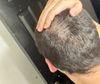
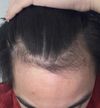
A 17-year-old is concerned about hair loss and is considering treatments like Minoxidil, finasteride, and RU58841. They feel uncertain about whether to start treatment.
RT1640, a combination of cyclosporin A, minoxidil, and RT175, is discussed as a potential treatment for hair regrowth and repigmentation. The unique formulation aims to enhance hair follicle growth and restore hair pigment without the negative side effects of immunosuppressants.
A user shared their hair recovery progress from ages 25-31, attributing success to quitting smoking, minoxidil, microneedling, and hormone therapy. They also mentioned being transgender and using hormone therapy.
The conversation discusses the potential of a new hair loss treatment, GT20029, which targets androgen receptors in the scalp and is in phase 1 trials in China. Users express hope that this treatment will be more effective than current options like Minoxidil and Finasteride.
A user ordered RU58841 from a Chinese supplier, found it to be less than 99% pure, and plans to try a different seller next time. Concerns were raised about impurities, but the user believes they are likely inactive fillers rather than harmful substances.
A blood cancer survivor in remission since 2022 is experiencing thin and patchy hair after chemotherapy and is using Minoxidil without much success. They are seeking personal experiences and advice on hair transplants after cancer treatment.
A 21-year-old male shared his extensive hair loss treatment protocol, which includes Dutasteride, RU58841, Ketoconazole shampoo, oral Minoxidil, pyrilutamide, MK677, dermastamping, and castor oil, and reported improved hair regrowth and overall well-being. He has experienced no side effects and has also improved his diet and lifestyle.
A user tried the Rapid Minoxidil Response Test (TrichoGene) and found they don't respond to topical Minoxidil, so they added tretinoin. The test is available internationally, and another user is considering ordering it.
Hair loss discussion includes treatments Minoxidil, Finasteride, and RU58841. Prolactin's role in immune system's antitumor activity raises safety concerns for HMI-115.
PP405's phase 2a trial results were presented, focusing on safety and pharmacokinetics, with a future meeting planned to share the full dataset. The trial includes a randomized controlled portion and an open-label extension, with no indication of phase 2B completion.
The conversation discusses verteporfin as a potential treatment for hair regeneration, which could lead to unlimited hair transplants by healing the donor area. Some users are considering using verteporfin now, while others are hopeful it will be available for future hair transplants.
A 17-year-old is concerned about hair loss and shares photos for opinions. A user responds that the hair looks normal but is hard to assess from the images.
The user has been using topical minoxidil for over a year and added kx826/pyrilutamide to improve hair growth, avoiding finasteride due to side effects like lowered libido and panic attacks. They report positive results with reduced shedding and healthier hair, particularly in areas previously unresponsive to minoxidil.
A 32-year-old male with diffuse thinning and seborrheic dermatitis has been using finasteride for 8 months without improvement. He is considering COQ10 + PQQ supplements for scalp inflammation and hair loss.
A 21-year-old is experiencing hairline recession and is using finasteride, saw palmetto, gelatin, topical minoxidil with retinoic acid, derma stamping, and scalp massage to address it. Suggestions include adding oral minoxidil, vitamin D3 with K2, and maintaining the current regimen for a year.
The post and conversation discuss KX-826 (pyrilutamide) for hair loss treatment, with positive remarks about its advertising and authenticity in China. The user changed their perspective after further research and seeing genuine advertising.
A 24-year-old male experiencing diffused thinning discusses his DHT levels and hair density issues. He has not used finasteride or dutasteride and is considering AR inhibitors.
The conversation is about treatments for androgenetic alopecia, focusing on hyperresponders. Treatments include Minoxidil, finasteride, RU58841, leg training, and cold therapy.
A 19-year-old concerned about long-term effects of 5AR inhibitors on physical appearance. They have used finasteride and plan to try dutasteride or RU58841; responses suggest improved skin, hair, and confidence.
A trans man is experiencing hair loss due to testosterone therapy but is unwilling to stop the treatment despite concerns about using finasteride. The individual is distressed about balding at a young age but acknowledges it is genetic.
A 17-year-old is experiencing rapid hair loss from NW1.5 to NW3 in six months and feels dermatologists are unhelpful. They are using Minoxidil (Rogaine) and seeking advice on application.
The conversation is about the potential of SCUBE3 to regrow a juvenile hairline. Specific treatments mentioned include Minoxidil, Finasteride, and RU58841.
A user is struggling with hair loss at 17 and has been using finasteride for 5 months and minoxidil for 11 months without seeing regrowth. Other users encourage continuing treatment, sharing their own experiences with finasteride, minoxidil, and dermarolling, and emphasizing patience and acceptance.
JW0061 shows superior hair growth results compared to existing treatments, with significant increases in hair follicles. The Wnt/β-catenin pathway is crucial for hair growth, and JW0061 activates this pathway effectively.
Yunce Medical, a Chinese company, is developing hair multiplication technology similar to Stemson Therapeutics, with potential for quicker availability due to favorable regulations. Users express skepticism and hope for future advancements in hair loss treatments.