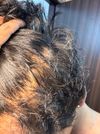
Concerns about the impact of hair loss treatments like finasteride on fertility and future children. The user is worried about reduced sperm count and quality due to lowered DHT levels.
The user is experiencing significant hair shedding and suspects it may be due to low serum ferritin levels rather than worsening androgenetic alopecia. They have resumed iron supplementation and are seeking additional solutions to address the shedding.
A 24-year-old male is increasing his dutasteride dosage from 0.5mg to 1mg daily due to continued hair thinning despite using finasteride, dutasteride, and topical minoxidil. Another user suggests trying oral minoxidil for potentially better results.
A 21-year-old experiencing hair loss and depression is planning to start finasteride treatment and is asking for others' experiences. Another user responds positively, stating that finasteride has helped alleviate their depression caused by hair loss.
A 24-year-old male using dutasteride for hair loss is worried about its effects on fertility and future children's health. Users advise consulting a doctor, possibly switching to finasteride, or stopping dutasteride before conception due to its impact on sperm count.
A 28-year-old male shares progress on hair loss treatment using 0.5mg dutasteride and 5mg minoxidil, experiencing initial shedding but encouraged by community support. He also uses ketoconazole occasionally based on scalp oiliness.
How Pyrilutamide, a hair loss treatment, has improved texture and regrowth of hair without any side effects for users, who are encouraged to post progress photos.
An 18-year-old is using a high-dose treatment for hair loss, including 2.5 mg dutasteride, topical minoxidil, and injectable GHK-Cu, despite minimal hair loss. Many users suggest reducing the dutasteride dose due to potential side effects and recommend starting with finasteride instead.
Hair loss recovery using estrogen and anti-androgen treatment for 18 months showed significant improvement. However, results vary and alternative treatments like RU58841 and Dutasteride may work without systemic feminization.
The user shares their experience with hair loss treatments, including oral finasteride, oral minoxidil, and a topical lotion for dandruff, expressing dissatisfaction with past treatments like PRP and hair transplants. They seek advice on a DNA test to determine suitable medications and express frustration with dermatologists' advice.
A 26-year-old with a bald spot is seeking advice for hair regrowth, having no treatment history. Suggestions include starting Minoxidil and finasteride to promote growth and reduce hair loss.
OP experienced hair improvement using NMN and quercetin after stopping finasteride, but later resumed finasteride due to shedding. They believe NMN and quercetin still help with hair loss.
The user is considering a hair transplant at 25 after experiencing hair loss despite using finasteride, minoxidil, and recently starting dutasteride. They are advised to continue DHT blockers post-transplant to prevent further hair loss and are considered an ideal candidate for a transplant.
The conversation discusses a personal theory on the role of DHT in stress and reproduction, suggesting it converts testosterone for reproductive traits. The discussion includes skepticism and mentions individual differences in physiology and neurochemistry.
A 20-year-old with diffused thinning is using oral minoxidil for androgenetic alopecia. They plan to switch to topical minoxidil, finasteride, and bimatoprost, and may consider surgery if their condition improves.
People are discussing hair loss treatments, including pyrilutamide, minoxidil, dutasteride, alfatradiol, and bimatoprost. Users share their experiences and side effects, noting that pyrilutamide is considered more effective and safer than RU58841.
Hair multiplication or cloning is not available anywhere in the world. The conversation also mentions treatments like Minoxidil, finasteride, and RU58841 for hair loss.
A 19-year-old shares his hair loss experience and treatment routine, which includes 1mg finasteride daily, 2mg oral minoxidil daily, ketoconazole shampoo every 2 days, and a healthy lifestyle. He notes that oral minoxidil is showing better results than topical minoxidil.
A 22-year-old shared their hair loss journey, starting with homeopathic treatments and later using Minoxidil and Finasteride, seeing some regrowth. They are currently on oral Finasteride, PRP treatments, and saw palmetto serum, considering reintroducing Minoxidil or switching to Dutasteride for better results.
The conversation discusses HMI-115, a potential cure for hair loss. Users share mixed opinions, with some expressing skepticism and others sharing anecdotal evidence of its effectiveness, including photos of significant hair regrowth from a trial participant.
Pyrilutamide shows minimal systemic absorption with low plasma levels and no accumulation, suggesting it's unlikely to cause systemic side effects. However, full results are not yet published in scientific journals.
Researching the release of phase 2 trials for pyrilutamide, a potential hair loss treatment, and discussing other treatments such as Minoxidil, Finasteride, and RU58841.
A user diagnosed with lymphoma is advised to stop finasteride during chemotherapy, with suggestions to consider treatments like Dutasteride and Minoxidil post-recovery. The focus is on prioritizing health over hair loss, with encouragement and advice from others who have experienced similar situations.
A 21-year-old female shared her 4-month hair growth progress using Minoxidil 5%, finasteride 1mg, Theradome LLLT, Viviscal vitamins, and PRP treatments twice. Commenters praised her progress and discussed other treatments like microneedling, but she noted her dermatologist advised against it due to potential scalp damage.
A 24-year-old with hair thinning is using a regimen including dutasteride, RU58841, HGH, GHK-cu, and other compounds to protect and regrow hair. They are also incorporating a mild cutting cycle with testosterone propionate, anavar, and tirzepatide.
How diffuse unpatterned alopecia (DUPA) is not an invitation to self-diagnose oneself with aggressive AGA and that seeking a specialized dermatologist may help people experiencing hair loss. Treatment options discussed include topical clobetasol propionate, oral minoxidil, and discontinuing finasteride.