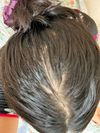
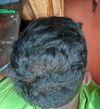
The conversation discusses the synthesis and potential use of JXL069 and PP405 for hair loss treatment, with skepticism about their effectiveness and concerns about safety. Users mention that JXL069 has shown no results in hair growth, and there is confusion about its identity and effectiveness compared to PP405.
A user underwent a hair transplant at Moart Clinic in Seoul, receiving 1100 grafts in the crown area after Dutasteride and oral Minoxidil failed to improve a stubborn bald spot. The procedure was successful, with minimal pain and good post-op recovery, costing $6900 USD before a tax refund.
After 8 months of using topical finasteride, hair miniaturization continues, raising concerns about its effectiveness. Microneedling is suggested as a possible complementary treatment.
RU58841 lacks FDA approval due to financial and safety concerns, including potential cardiological side effects. The company abandoned further research, and users report adverse effects like heart palpitations and gynecomastia.
The conversation discusses adding either RU58841 or pyrilutamide to a hair loss treatment regimen that already includes oral dutasteride and oral minoxidil. RU58841 is considered the stronger anti-androgen but may have more side effects.
A user's 8-month progress using dutasteride, oral minoxidil, and 2 weeks of RU58841 to treat hair loss. The user is looking for feedback from others on their progress and experiences.
Amplifica starting clinical trials for new hair loss drug. SCUBE3 protein discovered, stimulates hair growth, could be alternative to Minoxidil and Finasteride.
High cost of studying 3α-Hydroxysteroid dehydrogenase in hair loss led to suggestions of crowdfunding for research. Users discussed using Procyanidin B2/melatonin topical treatment and tracking funds with blockchain.
The user shared their 8-week hair regrowth progress using 0.5mg dutasteride, twice-daily topical minoxidil, and weekly 1.5mm microneedling. They noted visible improvement, though some users suggested reducing microneedling depth to avoid potential scalp damage.
A new hair loss treatment, PP405, showed promising Phase 2a results with 31% of patients experiencing over 20% hair density increase without systemic absorption, avoiding hormonal side effects. The treatment is expected to be expensive, with Phase 3 trials starting mid-2026, and there is skepticism about the data's strength.
Treatments for hair loss, specifically the use of minoxidil, finasteride and RU58841. Replies to this post suggest that users should share relevant information publicly rather than through direct messages.
A user shared their 30-month hair loss progress using Minoxidil, finasteride, and RU58841. They also discussed hair transplants as an option for future hair loss.
Hair loss treatments RU55841, CB-03-01, and Eucapil were discussed, with concerns about needing increased dosages over time and potential side effects. A user suggested that CB's results could be due to various factors and that combining it with finasteride might slow down any upregulation.
David Barreto shared that a London-based research group is conducting a 12-month trial for a new nutraceutical treatment for pattern hair loss, designed with Dr. Carlos Puig. The trial aims to provide robust data, with results expected in 1-2 years, potentially representing a significant advancement since finasteride’s introduction in 1997.
The conversation discusses hair loss treatments, including Minoxidil, finasteride, and RU58841. It also mentions ongoing human trials for hair multiplication/cloning at Yokohama National University, with skepticism about the timeline.
The conversation discusses impressive results from a 28-day application of a hair loss treatment. Users compare it to their experiences with Minoxidil and Dutasteride, noting excitement over the new findings.
RU58841 is used without finasteride by some due to side effects, with mixed results. Users report combining RU58841 with minoxidil and adjusting finasteride doses to manage hair loss.
Obtaining treatments for hair loss that are not approved in one's own country, such as pyrilutamide or GT20029. It was suggested to use a middleman to get it, but there is the risk of getting low quality or fake products.
The user experienced hair regrowth using Koshine KX-826 after two months, noticing new baby hairs and reduced shedding, while continuing to use Hims spray. They reported no side effects from Koshine and plan to keep monitoring progress.
A user received Kintor’s KX-826/Pyrilutamide and shared initial impressions, noting concerns about the product's labeling and marketing. Other users discussed the legitimacy of the product, its effectiveness, and compared it to other treatments like Minoxidil and Finasteride.
The user is considering switching from finasteride to dutasteride for hair loss. They are unsure if GT20029 can regrow hair, particularly on the temples. Another user mentions that regrowth on finasteride can take up to 2 years.
Pyrilutamide (KX-826) is discussed as an anti-androgen treatment for hair loss, with mixed user experiences. Some users report no results, while others find it mildly effective.
Hair loss recovery using estrogen and anti-androgen treatment for 18 months showed significant improvement. However, results vary and alternative treatments like RU58841 and Dutasteride may work without systemic feminization.
Pyrilutamide (KX826) sourcing and pricing, with users discussing the legitimacy and cost of grey market versus official sources. The conversation highlights the high cost of official products and the effectiveness of grey market versions.
A 30-year-old male is experiencing some hair regrowth after 77 days using oral finasteride, topical minoxidil 5%, and a 0.5mm derma roller twice a week. Users note small hairs filling previously smooth spots, but it's too early to determine full regrowth potential.
The conversation discusses hair loss and bloodwork results, focusing on zinc, vitamin D, and ferritin levels. The user is experiencing telogen effluvium after surgery and seeks advice on supplementation.
A 20-year-old with thinning hair has low vitamin D and normal testosterone. They are prescribed oral minoxidil and vitamin D, and are questioning if finasteride is also necessary.
Amplifica's progress on Scube3 is unclear, with no recent updates. The conversation also mentions Minoxidil, finasteride, and RU58841 as hair loss treatments.
A user experienced excessive hair shedding after taking 17 mg of Zinc gluconate daily for acne. They are seeking advice on similar experiences and solutions.