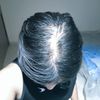
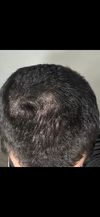
The user is using a mix of supplements, including Minoxidil, to address androgenetic alopecia and is concerned about zinc dosage potentially causing issues. They plan to discuss their treatment and supplement regimen with a dermatologist.
Hair loss discussion includes Amplifica, a new treatment by Dr. Rassman and Dr. Plikus using molecules from hairy moles. No progress updates mentioned.
A user shared progress pictures after 2 years on 0.5mg finasteride daily, also using minoxidil, showing significant hair improvement. The user noted their hairline is almost fully recovered.
The user experienced significant hair regrowth using dutasteride (0.5 mg three times a week) and RU58841 (5% once a day), with no side effects reported from RU58841. They are considering increasing the RU58841 dose or adding minoxidil for further improvement.
A user shared their progress using 1mg Finasteride and 2.5mg Oral Minoxidil for hair loss, reporting no side effects and noticeable improvement in hair density and beard growth. They expressed gratitude for the support and hope to regain most of their hair.
The user shared their bloodwork results showing DHT at 17 ng/dl and testosterone at 287 ng/dl, with a slight Vitamin D deficiency. They are seeking opinions on these levels and have an upcoming dermatologist appointment.
PP405 is a potential hair loss treatment that inhibits mitochondrial pyruvate carriers, increasing lactate dehydrogenase activity and stimulating hair follicle stem cells. In a phase 1 trial, 31% of participants showed over 20% hair density increase with PP405 treatment.
A user shared their experience with a second hair transplant by Dr. Gokhan Gur, focusing on the midscalp and crown with 1849 grafts. Their current treatment includes dutasteride, finasteride, oral and topical minoxidil, and Nizoral shampoo.
A 33-year-old experienced significant hair regrowth on the crown after one year of using oral finasteride (1mg) and minoxidil (2.5mg) daily, with initial concerns about libido that resolved after a week. The user reported minimal shedding and no other side effects, making a hair transplant optional.
A user's hair regrowth journey involved a hair transplant and using RU58841, finasteride, and minoxidil, with side effects managed by other medications.
A 27-year-old man shared his hormonal panel results after one year of taking finasteride 1mg/day for hair loss, showing his DHT levels nearly doubled. He reported stabilized hair loss with mild side effects that resolved, and he is considering a hair transplant but is concerned about the increased DHT levels and potential treatment options.
A user shared their 2.5-year hair loss treatment success using 1mg finasteride daily and switching from 5mg to 2.5mg minoxidil. They reported no significant side effects and emphasized the importance of early treatment.
Finasteride not only inactivates the 5a reductase enzyme but also affects the 5b reductase enzyme in a dose-dependent manner, which can impact sexual behavior and brain activity. The user experienced significant hair regrowth and side effects on 1mg of finasteride, which diminished after reducing the dose to 0.5mg, leading to no side effects and further hair improvement.
Hair loss discussion mentions HMI-115 efficacy in 3 months after Phase II study. Users discuss treatment effectiveness and mention massive regrowth in previously bald areas.
A 32-year-old man has been treating his hair loss with daily oral finasteride (1.25g), twice-daily topical minoxidil, weekly ketoconazole 2% shampoo, and weekly microneedling for almost three months, with no side effects from finasteride. He started with a Hamilton Norwood scale rating of 5 and has seen improvement without experiencing pain by using a 0.8mm needle length for microneedling.
A 17-year-old is frustrated with hair thinning and receding temples, seeking advice after a dermatologist dismissed concerns. Suggestions include starting Minoxidil for regrowth and considering Finasteride if androgenetic alopecia is suspected.
The conversation is about the legitimacy and affordability of ordering a Minoxidil response test from TrichoGene, an India-based company, as an alternative to Daniel Alain. The user is seeking feedback on whether TrichoGene is a reliable option.
A 22-year-old had a 3,500 graft hair transplant to restore his original hairline and improve density, while using dutasteride and oral minoxidil to manage hair loss. He believes being proactive with medication prevented further loss and allowed for a successful transplant.
How diffuse unpatterned alopecia (DUPA) is not an invitation to self-diagnose oneself with aggressive AGA and that seeking a specialized dermatologist may help people experiencing hair loss. Treatment options discussed include topical clobetasol propionate, oral minoxidil, and discontinuing finasteride.
The user stopped finasteride for family planning but plans to restart it and is considering dutasteride. Users discuss the safety of finasteride during family planning, with some sharing experiences of having healthy children while on the medication.
User TH1RT33N_DR34M shares that MinoxidilMax plans to make topical Procyanidin B2 within a month. Users discuss the legitimacy of the product, quality control, and potential results from using it for hair loss.
A 22-year-old male shared his positive experience using 1 mg finasteride daily for two years, noting significant hair thickening and texture improvement without side effects. Other users discussed their own hair loss treatments, including finasteride and minoxidil, and shared encouragement and advice.
The conversation discusses concerns about potential hairline miniaturization and whether to start finasteride as a preventive measure. Recommendations include consulting a specialist and considering treatments like finasteride, dutasteride, minoxidil, and ketoconazole.
Treatments for hair loss, with the user considering Pyrilutamide and RU58841 as options. It is noted that although Pyrilutamide has been studied more and is allegedly more effective, there are doubts about its authenticity in the market. KX-826 is suggested as an alternative as it has a stronger effect than RU58841 and there is scientific research on it.
Hope Medicine received a $28M investment for HMI-115, a monoclonal antibody in phase II trials for treating androgenetic alopecia. Some users are skeptical about its effectiveness, while others find the investment and trial results encouraging.
A study that outlines the full model for androgenic alopecia (AGA) which links DHT to cellular senescence in dermal papilla cells, and suggests black chokeberry as a source of cyanidin 3-O-arabinoside polyphenol with potential anti-oxidant properties that could reverse this process. The post encourages reaching out to experts in anti-aging and longevity to research treatments involving the polyphenol.
A user started taking 2.5mg oral Minoxidil (OM) and 1mg Finasteride after using topical Finasteride, Minoxidil, and Tretinoin for 2.5 months. They are considering increasing the OM dose before an upcoming hair transplant to improve its success.
A 22-year-old's experience with receiving a hair transplant and the use of Minoxidil, finasteride, RU58841, Lidocaine shots, and platelet injections to treat hair loss.