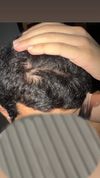
A user diagnosed with Crohn's disease is concerned it might contribute to balding. They have been using keto shampoo, finasteride, and oral minoxidil, which improved their hair but not significantly.
A user has been experiencing hair loss for 4 years, with treatments like minoxidil, finasteride, and various supplements proving ineffective. They were diagnosed with fibrosing alopecia in a pattern distribution, a condition that may require a combination of anti-inflammatory and hair growth treatments.
A user named Mmherak is experiencing hair loss, with low B12 and iron deficiency, and has been recommended minoxidil and spironolactone by dermatologists. Other users suggest seborrheic dermatitis or dandruff, recommending treatments like Nizoral shampoo, ketoconazole, and Selsun Blue.
The user reports that after 4 months of microneedling, 10 months of Minoxidil, 2 years of finasteride, and using ketoconazole 3 times a week, their hair has become less dense in the treated areas. Despite initial shedding and continued treatment, they have not seen improvement and feel their body is resistant to the medications.
The user noticed hair thinning since age 15, initially attributed to a Vitamin D deficiency. They are currently using Rogaine and considering Propecia but are hesitant about a scalp biopsy; they seek financially practical treatments for male-pattern baldness.
The conversation discusses the use of microneedling for hair loss, with concerns about potential long-term effects like fibrosis and scarring. Users share experiences and opinions on combining microneedling with treatments like minoxidil and finasteride, but there is uncertainty about the long-term safety and efficacy.
A user with kidney disease and high blood pressure experienced hair thinning, especially around the vertex. They are currently using finasteride and oral minoxidil but are considering whether to resume blood pressure medication despite managing symptoms with diet and exercise.
The user started using finasteride, minoxidil, and biotin for male pattern baldness (MPB) and is experiencing rapid thinning. They are questioning if low blood flow to the head could be contributing to their hair loss.
User experienced hair thinning due to high cortisol and thyroid issues, along with insulin resistance. They are taking magnesium, zinc, vitamin D, calcium, and selenium as supplements.
The user started taking zinc for a deficiency and is discussing one month of progress. They are inquiring if the observed changes indicate hair regrowth.
A female user has experienced severe hair shedding since stopping birth control in late 2022, diagnosed as telogen effluvium with no signs of androgenetic alopecia. Despite healthy living and optimal bloodwork, she continues to shed hair daily but also sees significant regrowth.
A user experiencing diffuse thinning since age 18 describes their hair as unhealthy, dry, thin, and hard, with texture changes cycling between good and bad every few weeks. They are not on any medication, only taking vitamins and supplements.
The user has been using oral dutasteride and topical minoxidil for 8 years, added oral minoxidil 6 months ago, but continues to experience hair thinning despite reduced shedding. They are considering checking iron levels, switching medication brands, and exploring other treatments like RU58841.
The user experienced hair shedding after starting testosterone replacement therapy (TRT) and is considering using DHT blockers like finasteride or dutasteride to address potential DHT-related hair loss. Low ferritin levels due to frequent blood donations may also contribute to hair issues, and the user is working on stabilizing iron levels.
The user is struggling with hair loss despite using finasteride, minoxidil, and ketoconazole, and addressing vitamin D and ferritin deficiencies. They experienced a temporary improvement but are now shedding hair again and feeling stressed.
The user experienced worsening hair loss despite using finasteride, minoxidil, and microneedling. Suggestions included reducing microneedling frequency, switching to oral minoxidil, adding tretinoin, and considering dutasteride.
The user discusses their experience with diffuse unpatterned alopecia and acquired progressive hair kinkering, noting improvements with treatments including biotin, pantothenic acid, finasteride, ketoconazole, and zinc pyrithione shampoo. They report thicker, healthier hair and improved scalp condition, attributing success mainly to biotin, pantothenic acid, and finasteride.
The user is experiencing worsening hair loss despite using finasteride and is advised to add minoxidil to their treatment. Concerns about side effects and the effectiveness of combining finasteride and minoxidil are discussed.
A user experienced a loss of libido and anhedonia after severe dietary restriction while on Finasteride and Minoxidil for hair loss. They are considering reducing the Finasteride dose or taking a break to see if symptoms improve.
The user has been using finasteride and minoxidil, then switched to dutasteride and minoxidil for six months without significant results, noticing thinning after increasing creatine dosage. They plan to consult a dermatologist to explore potential causes beyond androgenetic alopecia.
The conversation is about a user planning to start minoxidil treatment and considering increasing zinc intake to improve testosterone and libido. They are concerned about potential hair loss due to increased testosterone and are advised to consider magnesium supplementation and the effects of DHT if not on finasteride or dutasteride.
The conversation discusses microneedling for hair loss, with the original poster experiencing pinpoint bleeding after using needles of 1.25mm and 0.5mm, possibly due to adding GHK-Cu to their treatment regimen. They are inquiring if others bleed at similar depths.
Slow, steady progress on hair loss treatments such as finasteride, minoxidil, microneedling and Nizoral; the need for patience when using these treatments over a period of months or years; and how to deal with discouragement due to slow progress.
The user experienced hairline improvement using microneedling once a month with a 12-pin set at 1.5-2.0mm and taking Tru Niagen, alongside a heavily modified diet. They attribute the slow hairline improvement to environmental factors, particularly diet, rather than solely genetic factors.
Vitamin D deficiency is linked to hair loss, and supplementation with vitamin D can improve conditions like androgenic alopecia and telogen effluvium. Users discussed various dosages of vitamin D, emphasizing the importance of getting blood tests to determine the appropriate amount.
The user started using finasteride, minoxidil, and biotin for hair loss and believes they are a hyper responder, noticing significant changes in hair thickness. They regret not starting earlier and mention using oral minoxidil.
The user is frustrated with ongoing hair loss despite using treatments like finasteride, dutasteride, minoxidil, RU58841, and others. They express concern over the lack of improvement in hair density and the emotional toll it takes.
Oral supplementation of Nicotinamide Mononucleotide (NMN) improves hair quality and appearance in middle-aged women. However, it may reduce total hair density, possibly due to seasonal shedding.
A 12-year-old diagnosed with alopecia shares their experience and current treatments, including Dermovate, an unnamed cream, and liquid iron. The community offers support and encouragement.