Search
for
Sort by
Community Join
660-690 / 1000+ resultscommunity Can this fate be avoided? Or must i simply accept it.
A 19-year-old is experiencing early hair loss, possibly due to oily skin, stress, poor diet, and lack of sleep. They have tried ketoconazole shampoo without success and plan to visit a dermatologist for further advice.
community Been battling for 4+ years and still getting worse
The user has been experiencing hair loss for over 5 years and is currently using a topical treatment of finasteride, minoxidil, and tretinoin, along with derma rolling and a hair growth oil. They have previously tried oral finasteride, pyrithione zinc, RU58841, and dutasteride, but are seeking advice on whether to retry dutasteride or find a more reliable source for RU58841 due to ongoing hair density loss.
community Scalp barrier support while using min foam? +Seb derm
The user started using minoxidil foam daily after two years on finasteride and is managing seborrheic dermatitis with antifungal shampoo. They seek advice on moisturizing products that won't worsen their condition, with suggestions including gentle shampoos and light ceramide serums.
community What do you think about this prescription
The user visited a trichologist due to ineffective topical finasteride treatment for hair loss. The trichologist recommended a new regimen including a two-month course of locoidon (cortisone 0.1%), followed by a solution containing minoxidil, hydrocortisone butirrate, estrone, progesterone, tocopherol acetate, trichosol, and transcutol.
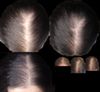
community 25M with Seb Derm and Thinning: Seeking Severity Assessment and Advice
A 25-year-old male with seborrheic dermatitis and hair thinning seeks advice on the severity of his condition and treatment options. Oral finasteride and oral minoxidil are recommended as the most effective long-term treatments.
community [21M] seb derm + probably mbp.
Minoxidil and finasteride are being considered for hair loss due to seborrheic dermatitis and male pattern baldness. The user is also using ketoconazole and zinc pyrithione shampoo.
community Do the more newer gen topical retinoids e.g. tazarotene outperform tretinoin in inducing follicular sulfotransferase activity?
community Sudden itchy scalp and shedding after 2 years of treatment
After 2 years of using finasteride and minoxidil with good results, the user is experiencing severe scalp itchiness, shedding, and tenderness. Despite dermatologists finding nothing wrong, the user seeks over-the-counter treatments for the itch.
community Almost 7 months on Dut + Oral min + Keto & Dermarroller and hair is looking worse than ever
A user is experiencing worsening hair loss despite using dutasteride, oral minoxidil, ketoconazole, and dermarolling. They are advised to reduce dermarolling frequency and depth to avoid damaging hair follicles.
community M22. Does sebderm decrease effects of min and fin or I am simply fin and min nonresponder?
The user has been using minoxidil and finasteride for hair loss without positive results and switched to dutasteride 1.5 months ago. They suspect seborrheic dermatitis might be affecting the effectiveness of these treatments.
community Late 20s, 5 Years of hair loss, oily scalp, tried ketoconazole
The user is experiencing hair loss, possibly due to androgenetic alopecia and seborrheic dermatitis, and has tried ketoconazole shampoo without success. They are hesitant to use finasteride due to potential side effects and are seeking advice on managing their condition.
community 6 months on topical dut (album linked)
The post and conversation are about a user's 6-month progress using topical dutasteride, 8% minoxidil, tretinoin, 2% ketoconazole shampoo, microneedling, oral finasteride, pumpkin seed oil, Vitamin D3, a men's multivitamin, rosemary oil, and 5% minoxidil foam for hair loss treatment.
community Finasteride gives me seb derm. Thoughts on zinc or other options?
A user with diffuse hair loss after taking accutane, which might have triggered genetic predisposition to AGA; their experience taking finasteride and experiencing side effects of increased oil production, increased sex drive, worsening hair texture; they are considering zinc supplementation with finasteride or other treatments such as alfatradiol or spironolactone.
community microinflammation caused by mometasone furoate?
The user experienced microinflammation on the crown after using mometasone furoate (Nasonex) nasal spray. They are seeking information on the relationship between this corticosteroid and hair loss.
community 3 years of irregular derma rolling and min/Redensyl
The conversation is about someone's three-year experience with irregular derma rolling, Minoxidil, and Redensyl for hair loss, hoping to thicken areas with fine hair.
community Massive non stop shedding on and off fin (consistent for 2 months)
community Betamethasone dipropionate 0.05 (sernivo spray)
A user was prescribed betamethasone dipropionate spray for a receding hairline, which caused skin peeling and depigmentation. They stopped using it and are considering alternatives like BPC-157/TB-500 for healing.
community Don’t know what is happening to me
The user experienced significant hair improvement with minoxidil and finasteride but later faced shedding and diffused thinning after developing seborrheic dermatitis. They are seeking advice after trying treatments like ketoconazole, coal tar shampoos, fluconazole, and hydrocortisone cream.
community Doctor prescribed me with topical min but no fin. i also have sebderm. should i go to another doctor?
The user is concerned about using only minoxidil for hair loss without finasteride, despite having seborrheic dermatitis. They are considering seeking a second opinion from another doctor.
community My case study: DHT serum levels unresponsive to higher topical fin dosages.
The user has been using liposomal topical finasteride since late 2022, progressively increasing the dose, but DHT serum levels remain largely unchanged. Despite using finasteride, minoxidil, microneedling, and ketoconazole, hair condition has neither improved nor worsened.
community Diffuse thinner taking Fin for over 2 years no improvement. Try oral min or switch to dut?
community Any positive responses for Diffuse Thinner with Retrograde using Fin/Min/Dut
People with diffuse thinning and retrograde hair loss are discussing treatments like finasteride, minoxidil, and dutasteride, with some reporting improvements and others experiencing issues like scalp inflammation and increased sebum. Suggestions include addressing scalp inflammation, considering gut health, and possibly using topical antiandrogens or micro-needling.
community Progression after 2 months - DX ALOPECIA
The user shared progress after two months of using finasteride, serioxyl, and NOOANCE casque Pro for alopecia. They are documenting their hair loss treatment journey.
community Does Pyrilutamide lowers sebum production?
Pyrilutamide's effect on sebum production and scalp inflammation is unclear, with users noting no significant changes. Isotretinoin is mentioned as effective for reducing sebum, while Dutasteride and various shampoos have limited impact on oiliness and seborrheic dermatitis.
community AA and Hirsutism but T levels are normal
27-year-old female experiences aggressive hair thinning and hirsutism despite normal testosterone levels. Spironolactone and 2% minoxidil were ineffective; high DHEA sulfate levels may be the cause.
community dermatologist diganostic - only 5 minutes - Finasteride 1mg/day since 1 month
A user started taking finasteride 1mg/day for hair loss but hasn't seen results yet. They also take vitamins and asked about adding minoxidil and the effectiveness of LLLT.
community Help with hair loss due to Seborrheic Dermatitis
A 19-year-old male with seborrheic dermatitis (SD) experienced significant hair loss and uses keto shampoo, zinc, and Nizoral to manage it. He inquires about the potential for regrowth and whether adding finasteride would help.
community Best way to limit scalp irritation with topical fin?
The user is experiencing scalp irritation from a compounded treatment of finasteride, minoxidil, and tretinoin. They are considering switching to a non-alcohol, propylene glycol-free formula with a lower tretinoin percentage to reduce irritation.
community Topical Solution Mix: Stemoxydine, RU-58841, Alfatradiol, and Tretinoin - Feasibility and Potential Interactions?
A user is considering mixing Stemoxydine, RU-58841, Alfatradiol, and Tretinoin into a single topical solution for hair loss. They are concerned about potential interactions that could reduce the effectiveness of these ingredients.