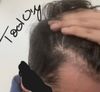
User experiences slow hair regrowth despite using finasteride, topical minoxidil, and supplements like biotin, zinc, and collagen. They seek advice on addressing overall slow hair regrowth.
A user with Androgenetic Alopecia is seeking advice on hair growth treatments while planning for pregnancy. Current routine includes LaserCap, Nizoral Shampoo, scalp massage, The Ordinary Multi Peptide Serum, vitamin D, prenatal vitamins, and SEEN shampoo.
A 27-year-old has been using oral finasteride and minoxidil since early 2023, seeing progress in hair growth and density without side effects, but still struggles with thinning at the crown. They are considering adding topical treatments, natural oils, microneedling, or a hair transplant to address this issue.
The user regrets their hair transplant after 5 months due to patchy and thin hair, despite starting finasteride at the same time. Many recommend waiting 12-18 months for results and using finasteride and minoxidil before and after the transplant.
A user shared their 3-month hair loss progress using finasteride, minoxidil, low-level light therapy, pumpkin seed oil, and rosemary oil. The user saw a reduction in balding crown size but couldn't determine which treatment was most effective.
The user is experiencing significant hair loss and has been using 5% minoxidil for 11 months, finasteride for nearly 6 months, and gel tretinoin for 4 months, with inconsistent use of ketoconazole shampoo. Despite these treatments, they are losing 200-250 hairs daily and are concerned about the lack of stabilization and potential continuous hair loss.
Zinc pyrithione and ketoconazole shampoos may help reduce hair loss by removing DHT from the scalp. Users discuss various treatments, including minoxidil, finasteride, and non-pharmaceutical options like castor oil and dermarolling.
An 18-year-old male is experiencing hair loss and is using topical minoxidil and oral finasteride. He is concerned about continued shedding, mild sexual side effects, and whether to adjust his finasteride dosage.
The post is about a user's progress pictures of their hair loss over the course of a year. The user started taking oral finasteride and using topical Rogaine foam for better results.
A user had a hair transplant 16 years ago and lost hair after stopping finasteride. They're now using a combination of treatments including oral dutasteride, topical and oral minoxidil, Pyrilutamide, and microneedling, and have seen improved density but are unsure if it's enough to grow their hair out. They also had a bad experience with scalp micropigmentation (SMP) and are considering redoing it.
27-year-old female experiences aggressive hair thinning and hirsutism despite normal testosterone levels. Spironolactone and 2% minoxidil were ineffective; high DHEA sulfate levels may be the cause.
A 25-year-old male experiencing hair loss and thinning since age 20 is seeking advice on effective DHT inhibitors. He lists various oral and topical treatments, excluding Minoxidil due to adverse effects.
The user shared their one-year progress using finasteride, minoxidil, a dermastamp, and ketoconazole shampoo, noting stabilization but challenging regrowth in the temples. Another user discussed using a 1.5mm dermastamp daily with minoxidil for better results, but concerns about scarring were raised.
A 22-year-old male with hair loss is considering treatments like finasteride, minoxidil, and derma rolling after being diagnosed with MPB, vitamin D deficiency, and dandruff. He seeks advice on whether these treatments can realistically improve his hair density and achieve a healthier NW2.
The post discusses a hair loss treatment regimen including oral finasteride, topical minoxidil, a rejuvenating scalp serum with caffeine, rosemary, and ginger, topical ketoconazole, saw palmetto, and derma rolling. The user seeks advice for scalp pimples and irritation.
Excessive scalp sebum, worsened by DHT, can lead to inflammation and hair loss, with clascoterone mentioned as a treatment. Diet changes seem ineffective for scalp sebum, and treatments like minoxidil and finasteride are suggested.
The conversation discusses hair loss treatments, specifically topical finasteride and minoxidil, with users debating the effectiveness and honesty of progress pictures. Some users claim significant regrowth, while others argue about the influence of lighting and angles on perceived results.
Female experiencing hair loss for 10 years used 50mg Spironolactone and 5% minoxidil with decent results. Recently had massive shedding, but blood tests were fine and still taking original medications.
A 23-year-old male has been using a regimen including oral Dutasteride, topical Minoxidil, Azelaic acid gel, Ketoconazole shampoo, and microneedling for 4 months with minimal results. Another user suggests that it typically takes a year to see significant effects and encourages him to continue the routine.
The user is experiencing increased hair loss and was diagnosed with male pattern baldness. They are considering using oral or topical finasteride to manage the condition and are contemplating cutting their hair short.
The user started using 1mg finasteride, 2.5mg oral minoxidil, and ketoconazole shampoo to address hair loss and scalp buildup, showing progress over 1.5 months. The ketoconazole shampoo helped with scalp buildup, and no side effects were reported from the medications.
Pelage is moving to Phase III clinical trials for PP405, a hair loss treatment, with results to be presented at a medical meeting. Users express skepticism and hope, comparing it to existing treatments like Minoxidil and finasteride, while discussing the potential for new hair growth in previously bald areas.
The regimen for hair loss includes topical finasteride, clascoterone, tretinoin, minoxidil, oral saw palmetto, beta-sitosterol, vitamin D, microneedling, and anti-fungal shampoo. Expected benefits are increased hair growth and density, with considerations for potential skin irritation and interactions between treatments.
The user tried non-finasteride treatments for a year with little success, but has seen some improvement in hair thinning after 10 months using topical finasteride/minoxidil. They also use microneedling, Nizoral, rosemary/castor oil treatments, and maintain a nutrient-rich diet.
A 24-year-old shared their 2-month progress using oral finasteride (1mg) four times a week, topical minoxidil (5%) daily, and ketoconazole shampoo twice a week for hair loss. They experienced initial headaches and shedding but plan to continue the regimen due to positive results.
The user is using caffeine shampoo with baicapil, microneedling, massage, and procapil lotion for hair loss. Replies suggest the user is balding and recommend finasteride.
The conversation discusses using topical finasteride and minoxidil for hair loss, focusing on the crown and mid-scalp areas. The user is optimistic about seeing results in 3 to 6 months.
A user named Medical_Opinion8120, a 23-year-old female, is experiencing hair loss potentially due to a past accutane course. She has tried minoxidil without success and is currently taking iron and zinc supplements.
A user shared their 6-month update on hair loss treatment, using daily Dutasteride, oral and topical Minoxidil, Ketoconazole shampoo, topical Finasteride, dermastamping, and PRP treatments. They reported improved hair quality but no significant regrowth or density increase, and plan to continue the regimen for another year before considering a hair transplant.
The conversation discusses hair loss treatments, including minoxidil, finasteride, biotin, folic acid, zinc, micro-needling, niacin, and cipaxil, with the user preparing for a hair transplant. The user experiences side effects with topical finasteride and is hesitant to try oral dutasteride.