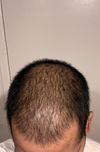
A 22-year-old's experience with receiving a hair transplant and the use of Minoxidil, finasteride, RU58841, Lidocaine shots, and platelet injections to treat hair loss.
Regrowing hairline without the use of Minoxidil or Finasteride, and instead using mechanical stimulation such as Derma Roller, Nizoral, Zinc Pyrithione, Scalp Massage, Scalp Exercise, Fish Oil and other topical solutions. It is cautioned that there are risks associated with not using medically-prescribed treatments, but it is suggested to consider mechanical stimulation in addition to those prescribed treatments.
The conversation discusses natural ways to reduce cortisol, such as avoiding caffeine, getting proper sleep, syncing with the sun, walking in nature, breathing exercises, increasing calories, and not doing keto. Magnesium supplements are recommended for stress reduction.
The user experiences immediate hair shedding linked to stress, unlike typical telogen effluvium, and is seeking answers. A suggestion was made to use spironolactone and topical minoxidil to address potential DHT-related shedding.
A user experienced persistent headaches after a stressful week and questioned if 0.25mg finasteride could be the cause, despite using minoxidil for two years. Another user suggested stress is likely the main factor, not the medication, and advised consulting a healthcare provider if headaches persist.
Caffeine might raise stress hormones, potentially worsening hair loss. Telogen effluvium is often misattributed to minor stressors rather than significant life events.
A 22-year-old experienced significant hair loss due to high stress, SSRI side effects, and Androgenic Alopecia, and has seen some regrowth after starting finasteride and using ketoconazole shampoo. They are inquiring if continued use of finasteride and stress reduction alone can lead to further hair regrowth.
A female user is experiencing severe hair loss, especially at the crown and front, with broken and dull hair despite using Moroccan oil, shea moisture shampoo, and coconut oil. She seeks recommendations for a clinic or doctor as previous doctors attributed the issue to stress but offered no solutions.
The user has been taking 1mg finasteride daily for a year with no improvement in hair loss and reports low cortisol levels, sleep issues, and anxiety changes. The conversation includes discussions on the potential effects of finasteride on cortisol and neurosteroids, with suggestions to consult a doctor and consider other factors.
Staying positive and managing stress may slow hair loss, but treatments like finasteride, minoxidil, and dutasteride are essential for managing male pattern baldness. Stress can accelerate hair loss, but genetics play a significant role, and early treatment is crucial.
A 21-year-old male is experiencing hair shedding, possibly due to stress from a breakup, and is using minoxidil and drinking green tea to address it. Others suggest stress as a cause and recommend consulting a dermatologist if it persists.
Poor sleep quality may affect hair growth cycles by disrupting the body's natural clock and stress hormones. The focus should be on improving sleep to support overall health, including hair growth, rather than relying solely on treatments like Minoxidil, finasteride, or RU58841.
Stress can contribute to hair loss. Herbs like Passion Flower, Ginseng, Ashwagandha, and Valerian Root can help reduce stress and potentially improve hair health.
A user is trying Relora supplements to reduce stress-induced hair shedding. They are frustrated with ongoing hair loss and are open to trying new solutions.
Hair loss can be caused by various factors such as stress, thyroid issues, and genetics. Treatments mentioned include dutasteride, DHT blockers, and thyroid medication, though results vary.
Corticosterone inhibits GAS6, affecting hair follicle stem-cell activity, with potential implications for stress-related hair loss. Ashwagandha and Vitamin K are suggested for reducing cortisol, but their effectiveness is debated.
Post Finasteride Syndrome (PFS) may result from epigenetic changes and gut microbiota alterations. Supplementing with Allopregnanolone might protect against these adverse effects.
Hair loss can cause significant stress and anxiety, leading individuals to try various treatments like microneedling, hair transplants, and lifestyle changes. Some people find peace by accepting hair loss and focusing on other aspects of life, while others experience ongoing distress.
The user experienced no results for 3.5 years while using finasteride, minoxidil, and microneedling, but saw improvement after increasing Dutasteride to 0.6mg daily. Current routine includes Dutasteride 0.6mg, minoxidil once a day, and supplements like collagen, biotin, and vitamin D.
Taurine shows potential in combating hair loss caused by chemical stress, especially when combined with other treatments like finasteride. Finasteride demonstrated better stress-reducing effects in the study.
The conversation discusses a personal theory on the role of DHT in stress and reproduction, suggesting it converts testosterone for reproductive traits. The discussion includes skepticism and mentions individual differences in physiology and neurochemistry.
User experienced hair thinning due to high cortisol and thyroid issues, along with insulin resistance. They are taking magnesium, zinc, vitamin D, calcium, and selenium as supplements.
A 30-year-old male experienced rapid hair shedding over 6-7 months due to stress, depression, and nicotine/alcohol use, but has since stopped these habits. He seeks advice on remedies, medications, or diet changes to address hair loss.
Switching from finasteride and topical minoxidil to dutasteride and oral minoxidil caused a major hair shed, exacerbated by moving stress. Dutasteride may take months to fully integrate, and adding finasteride might help with hair protection during this transition.
The conversation discusses whether stemoxydine needs to be used for life for hair loss treatment. One user suggests that stemoxydine does not require lifelong use and can make hair exit the resting phase faster, but the benefits may be temporary.
The user is experiencing hair loss without a family history and suspects stress or telogen effluvium (TE) as the cause, despite using finasteride without results. Others suggest stress, vitamin deficiencies, or other conditions could be factors, and some mention that balding can occur without a family history.
The post argues that Post-Finasteride Syndrome (PFS) is likely not real and suggests symptoms may be due to mental health issues or the nocebo effect. The conversation includes personal experiences with finasteride, highlighting both positive and negative effects, and emphasizes consulting doctors and using reliable sources for medication.