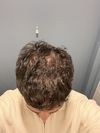
A user is concerned about hair loss and acne from a one-week course of 70 mg/day oral prednisolone for severe tinnitus. They are asking if these side effects are common.
Finasteride may affect neurosteroids, impacting mood and sexual function, with varied user experiences. Some report side effects like depression and sexual dysfunction, while others find it effective for hair retention or prefer alternatives like Dutasteride or topical treatments.
The user experienced a severe hair shedding phase after switching to a combination pill of finasteride, minoxidil, and B12, but the shedding has now significantly reduced. Other users shared similar experiences, noting that shedding can be a sign of treatment effectiveness.
The user is experiencing severe hair thinning and is using multiple treatments including topical finasteride, minoxidil, tretinoin, latanoprost, oral minoxidil, dutasteride, saw palmetto, and derma wounding. They are considering adding RU58841 and are contemplating a hair transplant and exosomes due to frustration with current results.
Finasteride worked well for over a year, but hair started falling out again despite positive lifestyle changes. The user is unsure if it's due to stress, vitamins, or finasteride losing effectiveness.
A user reports experiencing insomnia as a side effect of taking finasteride for hair loss, which takes 1 to 2 hours to fall asleep and results in only about 5 hours of sleep per night. They suspect the cause is related to the downregulation of neurosteroids due to finasteride.
The user has been experiencing diffuse hair thinning despite using finasteride, minoxidil, dermarolling, clobetasol cream, and PRP sessions. They seek advice on additional treatments and are advised to check vitamin D, iron, and thyroid levels.
A 20-year-old experiencing hair thinning became depressed and sought treatment. The new dermatologist prescribed a routine including topical minoxidil, finasteride, derma stamping, Nizoral shampoo, rosemary oil, and scalp massages.
Hair loss is emotionally challenging, but acceptance and focusing on other life aspects are important. Treatments like finasteride, minoxidil, and RU58841 are discussed, with emphasis on the emotional impact over physical changes.
The user is experiencing worsening hair loss despite using oral finasteride, oral minoxidil, microneedling, keto shampoo, and supplements for seven months. They are concerned about continued shedding and lack of regrowth, and are considering adding topical minoxidil to their routine.
The user has been taking 1mg of finasteride every other day for two months, experiencing improved hair quality but disrupted sleep. They are seeking advice on whether the sleep issues will improve with continued use or if they should stop the medication.
A 20-year-old feels defeated about hair loss and struggles with consistent minoxidil use due to ADHD. They plan to visit an endocrinologist for finasteride and consider shaving their head while continuing treatments.
Someone who is starting to experience hair loss and is considering multiple treatments, such as minoxidil, finasteride, dutasteride, and a hair transplant, to manage it. Replies provide advice on how to approach these treatments safely and effectively.
The user is considering stopping dutasteride and minoxidil due to side effects like low mood and depression after three weeks of use. They are concerned about hair shedding and are contemplating switching to just minoxidil to see if it helps without affecting mental health.
The user experienced significant hair shedding while using finasteride and oral minoxidil but found that the shedding eventually stopped, and hair returned to its previous state. They advise patience, continuing medication, and maintaining good nutrition, including Vitamin D.
A 20-year-old is experiencing hair thinning despite using minoxidil inconsistently for 1.5 years and is considering adding finasteride due to concerns about side effects. They are unsure whether to increase minoxidil application, start finasteride, or if the hair loss is exaggerated in their perception.
The user shared progress pictures after three months of using RU58841, finasteride, and OM (oxidative stress modulators) for hair loss treatment. They haven't noticed much change but are seeking feedback on their results.
A 19-year-old male has been losing hair since 16-17 and feels more depressed after 6 months of using topical minoxidil and finasteride, which made his hair dry and greasy. Another user suggested switching to oral finasteride and provided tips for using topical minoxidil to reduce greasiness.
The user has been on finasteride for 7 years and had a hair transplant, but is experiencing hair thinning and itchiness, particularly on one side, leading to concerns about male pattern baldness or other health issues. Despite having a full head of hair, the user is considering shaving it due to mental health struggles and is advised to consult a therapist and consider other treatments like minoxidil or dutasteride.
A 24-year-old male is experiencing emotional stress from hair loss despite seeing significant progress after 4.5 months of using oral dutasteride and minoxidil, and has now switched to topical treatments. Many users encourage him to continue with the oral treatments due to his impressive results and suggest waiting at least a year before considering a hair transplant.
Lifestyle factors like diet, stress, and nutrient deficiencies can impact hair regrowth, but their effects vary among individuals. Treatments mentioned include finasteride, dutasteride, and minoxidil.
User "Number_Worried00" is using a treatment stack for hair loss, including Minoxidil, Finasteride, Dutasteride, Estradiol, Cetirizine, and Pyrilutamide. Another user suggests that if the cause is vitamin deficiency or inflammation, the stack may not be effective.
Regret over not starting hair loss treatments like finasteride and minoxidil earlier, leading to significant hair loss. Users discuss coping strategies, including buzzing hair, staying on medications, and considering future treatments.
The conversation discusses hair loss and the potential impact of zinc supplementation, with some users suggesting it might contribute to shedding. The original poster is using finasteride and considering adjusting their zinc intake and dosage of finasteride.
The conversation discusses severe hair loss, possibly due to telogen effluvium or male pattern baldness, lasting over three years. Suggested treatments include minoxidil, finasteride, and dermarolling, with a recommendation to consult a dermatologist.
A user reports high DHT levels despite taking finasteride and is concerned about inconsistent blood test results. They also take modafinil, vitamin D, and magnesium supplements.
The user is using a comprehensive hair loss treatment including oral dutasteride, minoxidil (both oral and topical), topical finasteride, RU58841, ketoconazole shampoo, and a derma roller, while also using anabolic steroids. Opinions vary, with some users noting stability or slight improvement, while others suggest the treatment may not be effective due to anabolic use.
User frustrated with lack of results from finasteride and minoxidil for hair loss. Others suggest checking for other health issues, focusing on fitness, and considering alternative treatments.
The user experienced microinflammation on the crown after using mometasone furoate (Nasonex) nasal spray. They are seeking information on the relationship between this corticosteroid and hair loss.
The user has been on finasteride for over two years, experiencing early hair regrowth, acne, and scalp sensitivity, but now faces thinning hair and questions about dosage and long-term effectiveness. They also used retinal to help with acne and are seeking advice on whether to adjust their finasteride dose.