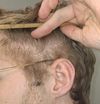
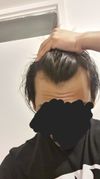
Botox may help with hair loss by reducing muscle tension and inflammation, potentially lowering DHT levels. Regular sessions might be needed, and it could also help with migraines.
The user experienced side effects from daily 1 mg Finasteride and switched to 0.5 mg every other day, supplemented with creatine, tongkat ali, tribulus terrestris, vitamin D3, bromantane, l-tyrosine, and caffeine. They also use weekly 1.5 mm microneedling and daily 50 mg RU58841, except on microneedling days, to manage hair loss.
A 21-year-old woman diagnosed with male pattern baldness (MPB) who is considering treatments such as spironolactone, minoxidil and finasteride to address her hair loss. The user also discusses potential solutions for concealing the appearance of her thinning hair, such as wigs or haircuts.
The user is using finasteride, HGH, GHK-CU, BPC-157, KPV, biotin/collagen/keratin vitamins, ketoconazole shampoo, and low-dose naltrexone to address hair loss, avoiding minoxidil due to past shedding experiences. Adenosine is discussed as a potential alternative to minoxidil, though it is noted to be expensive and hard to find.
Poor gut health may contribute to hair loss and scalp inflammation, with treatments like finasteride, minoxidil, and Nizoral being used. Improving gut health and addressing inflammation might help alleviate symptoms.
A 30-year-old woman has been using oral minoxidil and spironolactone for hair loss without success for 18 months and is considering switching to topical minoxidil. Users suggest trying topical minoxidil, dermastamping, red-laser therapy, and checking hormone levels, while noting that oral minoxidil is often more effective than topical.
Testosterone can still cause hair loss even when DHT is blocked by dutasteride, especially if hair follicles are sensitive. Topical treatments like RU58841 or pyrilutamide may help, but their long-term effectiveness is uncertain compared to dutasteride.
PP405 is a safer alternative to JXL069 for hair loss treatment because it penetrates the skin effectively and degrades in the blood, avoiding systemic toxicity. JXL069, when forced into the body, can cause dangerous side effects like lactic acidosis due to its inability to degrade safely.
A 24-year-old woman with AGA and TE since age 14 is questioning if her hair is regrowing or breaking. She has been using minoxidil consistently since September 2025, along with caffeine and ketoconazole shampoos, rosemary oil, and saw palmetto, and has improved her overall hair care routine.
An 18-year-old is experiencing severe hair loss and dandruff, feeling stressed and unable to commit to Minoxidil or handle finasteride side effects. They have tried natural oils, anti-hair fall shampoo, and consulted a dermatologist without success, and are seeking affordable treatment options.
A 41-year-old South Asian individual feels hopeless about hair loss and cannot use oral finasteride or dutasteride due to existing gynecomastia. They are seeking advice on alternative treatments.
A 21-year-old is experiencing hair loss and is considering using Minoxidil and Finasteride, but is concerned about lifelong dependency and seeks advice on permanent solutions. They are advised to act quickly, consider additional treatments like Dutasteride, and get blood tests to rule out other causes.
A 19-year-old male is experiencing hair loss and has been prescribed finasteride by a Telehealth company. He plans to start finasteride, improve his lifestyle, and take supplements like DIM and Zinc to manage potential side effects.
Stress can trigger hair loss, with treatments like minoxidil, finasteride, and dutasteride being used to manage it. Some users report improvement with medications like Lexapro, while others emphasize the impact of stress and life events on hair health.
PP405 is anticipated as a future treatment for dormant hair follicles, but its effectiveness and safety are uncertain. Current treatments include oral minoxidil and microneedling, with some avoiding finasteride due to side effects.
The user is seeking opinions on whether their hairline changes indicate regrowth or hair loss, using treatments like Rogaine, finasteride, microneedling, and Nizoral. They mention inconsistent finasteride use, scalp massages, and lifestyle factors like caffeine, nicotine, stress, and high sugar intake.
A 36-year-old achieved significant hair improvement and stability over 26 months using oral finasteride, minoxidil foam, microneedling, and ketoconazole shampoo, with no side effects. Patience and consistency were crucial for increased hair density and reduced shedding.
A 28-year-old male experiencing diffuse thinning and miniaturization around the ears and back has tried finasteride, dutasteride, and both topical and oral minoxidil without success. He is seeking advice on identifying the type of hair loss and next steps since current treatments are ineffective.
A 22-year-old is considering starting finasteride for hair loss, questioning if their hairline is stable or if treatment is needed. They shared images of their hairline, which has been the same since their teenage years.
The user is happy with the results of using 1mg finasteride daily for three years, reporting stopped hair loss and mild regrowth without side effects. They avoid minoxidil due to concerns about application and potential risks, and they use 2% nizoral shampoo weekly.
Hair loss after telogen effluvium (TE) with thinning and possible scarring, treated with 5 mg oral minoxidil. Concerns about scarring alopecia and lack of regrowth, with suggestions to consider finasteride for better results.
A user with seborrheic dermatitis and traction alopecia is seeking alternatives to minoxidil for hair loss, considering rosemary oil for its anti-inflammatory properties. They express concerns about potential side effects and effectiveness of various treatments, including rosemary oil, caffeine, and Redensyl.
The conversation discusses hair loss treatments, focusing on iron supplements for low ferritin levels and considering finasteride and minoxidil if thinning persists. There is debate over starting with finasteride versus dutasteride, with some users advocating for dutasteride due to its potency, while others caution about potential side effects.
Ozzy had great hair despite a rough lifestyle, likely due to genetics. Discussions included the effects of drugs on hair, with some users mentioning treatments like Minoxidil and finasteride.
Tretinoin can cause non-telogen hair loss in some men by inducing catagen-like changes in hair follicles and through retinoid toxicity, especially when used with minoxidil. Some users report hair loss even when using retinoids on the face, while others experience benefits when combined with treatments like finasteride and minoxidil.
A user experienced significant hair regrowth after 3.5 months using topical minoxidil and weekly derma rolling. Others discussed enhancing results with finasteride, ketoconazole shampoo, and microneedling.
PP405 from Everychem is likely fake and potentially harmful, with concerns about its stability and the risk of using the wrong MPC inhibitor, which could damage hair follicles. The real PP405 was studied under strict conditions, and DIY attempts are discouraged due to unknown formulation and quality control.
The user is experiencing erectile dysfunction and emotional numbness, possibly due to using Dutasteride for hair loss, and is considering switching back to Finasteride. They are seeking advice on whether this change might resolve their symptoms.
Developing new hair loss treatments is challenging due to the complexity and cost of trials, and a permanent cure is unlikely soon. Current treatments like Minoxidil and finasteride are used continuously because hair loss is progressive, and future possibilities include gene editing and hair cloning.
A 19-year-old tried oral minoxidil and finasteride for hair loss but experienced side effects like fatigue, dry eyes, and lack of motivation, leading to discontinuation. Suggestions included trying topical treatments, dutasteride, or accepting hair loss.