Blocking DHT may slow down aging and improve skin, with users reporting positive effects from finasteride. Minoxidil and RU58841 are also mentioned as treatments.
The user shared their experience with CB-03-01 (Breezula/Clascoterone) for hair loss, noting reduced shedding and improved hair appearance but experiencing significant sleep disturbances and low energy due to HPA axis suppression. They decided to stop using it due to these side effects and are waiting for GT20029 as an alternative.
The conversation is about sourcing and using topical melatonin for retrograde alopecia. Users discuss purchasing options and potential benefits for hair growth.
HMI 115 did not work as expected for hair regrowth in humans, unlike in macaque monkeys. There is anticipation for further research on prolactin's role in hair loss, with expectations that pharmaceutical companies will likely solve this before universities.
A phase 3 trial for Breezula (clascoterone solution) to treat male pattern hair loss has been listed, with 726 participants and a completion date of January 2025. Other treatments mentioned include Aneira Pharma's combination of minoxidil and latanoprost, Triple Hair's combination of minoxidil, latanoprost, and finasteride, and a new microneedling and LLLT device called StimuSIL.
The conversation discusses whether lifestyle factors like diet and sleep affect hair growth in people with reversible hair loss. Some believe these factors, along with treatments like minoxidil, finasteride, and RU58841, can improve hair health, while others argue hair loss is mostly determined by genetics and DHT sensitivity.
The conversation discusses the delay in the PP405 Phase 2 study results, now expected by the end of 2025, and skepticism about research practices. There is also mention of optimism for Amplifica's AMP303 and a topical treatment in early testing.
DHT causes hair loss by driving cells into senescence, and a polyphenol in black chokeberry may reverse this. A product using this theory is being considered for use alongside finasteride, minoxidil, and microneedling.
The user has been taking 1mg of finasteride every other day for two months, experiencing improved hair quality but disrupted sleep. They are seeking advice on whether the sleep issues will improve with continued use or if they should stop the medication.
Cosmo Pharmaceuticals has enrolled about 850 out of 1400 patients for their phase 3 clinical trials of clascoterone (Breezula) and claims to be on schedule. The conversation is about hair loss treatments.
Phase II for TDM-105795 for Androgenic Alopecia is set to begin in April 2023. The study aims to evaluate the efficacy and safety of TDM-105795 in male subjects.
Analyzing data on pyrilutamide, a potential hair loss treatment, as well as the effectiveness of other treatments such as Minoxidil, Finasteride, and RU58841.
Poor diet and lifestyle contribute to male pattern baldness. Treatments like Minoxidil, dietary changes, and lifestyle adjustments may help slow hair loss.
ABS-201 shows promise for male hair regrowth by blocking the prolactin receptor, with higher expected efficacy than current treatments. The discussion also covers dosing differences between macaques and humans for hmi115, highlighting a significant dosage disparity.
A 22-year-old man has been using topical melatonin for a year to slow hair loss and it appears to be effective. He's seeking alternatives to finasteride due to potential side effects, and is interested in understanding how melatonin works to prevent hair shedding.
A user has been using finasteride and minoxidil for hair loss but is experiencing increased shedding and is considering using topical melatonin with a product called Rizn. Another user is skeptical about the effectiveness of topical melatonin due to issues with the research and lack of replication of results, while a third user expresses interest in the outcome of using Rizn after not seeing results from topical finasteride and minoxidil.
High frequency ultrasonography and HR-MRI can help identify hair shedding causes like inflammation and fibrosis. The conversation discusses the potential of using these technologies to evaluate treatments like Verteporfin for hair regeneration.
A 20 year old male who is balding and considering switching to a biology/chemistry program in order to find a low-cost, accessible solution for hair loss. Replies discuss the merits of this idea as well as potential treatments such as Minoxidil, finasteride, RU58841, TM5614, and ADQ.
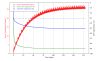
A Dutasteride Simulator predicts serum dutasteride, serum DHT, and scalp DHT levels using models from research papers. It simulates various dosing schedules to determine steady-state effects and visualizes outcomes, including hair growth-related scalp DHT suppression.
Clascoterone's full trial results are expected by mid-July 2026, but skepticism exists about timely release. Clascoterone is available at 5% from some telehealth companies.
The conversation discusses unconventional methods for hair regrowth, including scalp trauma like burning or microneedling, and compares them to treatments like Minoxidil and Finasteride. It highlights skepticism about these methods and the body's unpredictable healing responses.
The user is experiencing early hair loss and is using finasteride, Rogaine, biotin, vitamin D3, and Nizoral. They are concerned about whether starting treatment early will help them keep their hair despite strong genetic predisposition to balding.
Melatonin is being explored as a hair loss treatment, with one user mixing it into minoxidil but not seeing results. The conversation discusses experimenting with melatonin concentrations.
A 29-year-old male with diffuse thinning plans to start minoxidil and finasteride soon but is concerned about potential shedding before a big event in late April/early May. He is considering whether to start treatment now or wait until after the event.
A new "third cell" discovery in Japan could be key to fully regenerating hair follicles, with human trials possibly starting in 2027-2028. AI is expected to accelerate medical discoveries, potentially leading to a hair loss cure within a few years.
The conversation is about the effectiveness of topical melatonin for hair loss, asking for details on dosage, frequency, duration of use, results, and brand information. An update includes a skeptical view on the studies regarding melatonin's effectiveness.
Hair loss treatments discussed include Minoxidil, Finasteride, and RU58841. HMI-115 release timeline is uncertain, with possible grey market availability in 2024-2025.
Melatonin is being considered as a potential treatment for androgenic alopecia, with some users discussing its effects and combining it with other treatments like minoxidil and finasteride. Concerns about melatonin's impact on hormones and side effects from other treatments like ketoconazole were also discussed.
People are discussing the use of topical melatonin for hair loss and how often it should be applied, with one person noting it makes them groggy in the morning. They are inquiring about others' application frequency.