Oral minoxidil and dutasteride are used for hair loss with mixed results. Some users report new growth, while others suggest scalp inflammation may be an issue.
RU58841 is discussed as a potential treatment for acne and hair loss, with users debating its effectiveness and safety compared to other treatments like finasteride, minoxidil, and dutasteride. Concerns about RU58841's side effects and lack of clinical trials are raised, while some users share their personal experiences and routines involving RU58841 for hair loss.
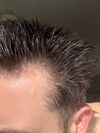
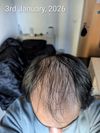
The user reports thicker hair and new growth in the temple area after three months of treatment with oral finasteride, minoxidil, and derma rolling. There is confusion about the order of before-and-after photos, but the most recent photo shows improvement.
A user's hair regrowth journey involved a hair transplant and using RU58841, finasteride, and minoxidil, with side effects managed by other medications.
The user "Potvin_Sucks_" shared their positive experience with using finasteride pills for hair loss. They also mentioned making lifestyle changes such as quitting smoking and exercising regularly. Other users discussed the possibility of using topical finasteride and online hair loss prescription delivery services.
Hair loss treatment with Fin/Min/Niz/Microneedling showed great results in 100 days. User suggests adding topical rosemary oil and oral castor oil for extra benefits.
User 74775446 shares successful hair regrowth results using dermaroller/pen and minoxidil. Others discuss their experiences and concerns about finasteride side effects.
Whey protein does not cause hair loss; concerns are likely unfounded. The user is on finasteride and minoxidil but sees no improvement, so they are phasing out these treatments while continuing to work out and use whey protein.
The conversation is about using finasteride and testosterone replacement therapy (TRT) for hair loss and their role in gender-affirming care. It debates whether these treatments are considered hormone replacement therapy (HRT) and their implications for both cisgender and transgender individuals.
A user experienced positive hair regrowth after 108 days of using 0.5 mg daily Dutasteride and Alpecin caffeine shampoo, without Minoxidil. The discussion included advice on dosage, potential side effects, and comparisons with Finasteride and Minoxidil.
Blocking DHT may slow down aging and improve skin, with users reporting positive effects from finasteride. Minoxidil and RU58841 are also mentioned as treatments.
A 51-year-old shared progress on hair regrowth using topical Minoxidil and Finasteride over four months, noting significant improvement and plans for future hair transplants. The user emphasized the benefits of modern treatments and societal changes in attitudes towards hair loss.
A 41-year-old shared 15 months of hair loss progress using Dutasteride, oral Minoxidil, RU58841, and weekly derma rolling or stamping, reporting no side effects. The treatments are working slowly but effectively.
A study that outlines the full model for androgenic alopecia (AGA) which links DHT to cellular senescence in dermal papilla cells, and suggests black chokeberry as a source of cyanidin 3-O-arabinoside polyphenol with potential anti-oxidant properties that could reverse this process. The post encourages reaching out to experts in anti-aging and longevity to research treatments involving the polyphenol.
An 80-year-old man and his 99-year-old father have more hair than many younger people, sparking discussions about hair loss and genetics. The suggested treatment for maintaining hair is simply eating oysters.
The brain resists updating its perception of gradual appearance changes, like hair loss, due to its preference for stability and reliance on an internal model. This delay in perception can make changes feel sudden once the brain finally updates its model.
A 73-year-old is experiencing increased balding and is inquiring if it's too late to use topical treatments like Minoxidil, Finasteride, or RU58841. The discussion revolves around the effectiveness of these treatments for older individuals.
The conversation is about the potential aging effects of oral minoxidil on the skin. Users discuss their experiences, with some attributing skin changes to aging rather than minoxidil, and mention using tretinoin to improve skin appearance.
Genetics play a major role in hair loss, with some people keeping a full head of hair into old age without using treatments like minoxidil or finasteride. Many express frustration over their own hair loss and the perceived unfairness of genetic differences.
Finasteride and dutasteride can improve skin texture and reduce acne by lowering DHT but do not reverse aging. They may enhance skin and hair health for some, but can also cause side effects like dry skin and sexual dysfunction.
A 41-year-old shared their 195-day hair loss treatment progress using finasteride and minoxidil, initially topical and later oral, along with microneedling. They reported positive results and expressed satisfaction with the current regimen.
Age-linked hair loss is linked to disappearing collagen. Treatments discussed include minoxidil, finasteride, RU58841, tretinoin, microneedling, and collagen supplements.
The conversation reflects on how hair loss was portrayed in older movies as a natural part of aging, contrasting with today's media where balding is less visible due to treatments like finasteride and hair transplants. Participants also discuss the difference in societal attitudes towards hair loss and appearance in past generations compared to the present.
Finasteride and oral minoxidil effectively maintain a youthful appearance and full head of hair, despite genetic predispositions to balding. The discussion also considers the impact of DHT blockers on masculinity and aging, with lifestyle choices like sunscreen use and a vegetarian diet mentioned.
The conversation humorously speculates on whether an elderly man's good hairline is due to finasteride, dutasteride, or genetics. It also discusses the role of DHT and genetics in hair loss.
A 33-year-old male is experiencing thinning at the temples and hairline, with increased shedding over the past year. The user suspects androgenetic alopecia (AGA) despite AI suggesting a maturing hairline.
A 21-year-old has been using daily oral finasteride, minoxidil, biotin, and vitamins since January 2026 for hair loss, adding topical treatments and microneedling in May. They observed initial shedding and scalp issues but noted significant progress after adjusting their routine.
The user started using finasteride at age 23, stopped at 30 to start a family, and resumed at 39 with minoxidil, seeing positive results both times. They successfully had four children after stopping finasteride, noting changes in sperm quality and some side effects upon resuming the medication.
A 51-year-old shared their hair recovery journey using finasteride, minoxidil, and dermarolling, noting significant improvement in hairline and temple areas. They emphasize consistency and patience, while another user suggests adding topical kx-826 and melatonin for additional benefits.
The user experienced better hair thickening results with a combination pill of oral minoxidil (3mg) and finasteride (1mg) compared to previous treatments with topical minoxidil and finasteride alone. They reported no significant side effects and expressed regret for not starting this treatment earlier.