User discusses Latanoprost as potential hair loss treatment and considers combining it with oral minoxidil for better results. Seeking opinions on effectiveness and expense.
Despite using dutasteride, RU58841, minoxidil, and ketoconazole for years, the user continues to experience severe hair loss and thinning. They seek advice after multiple dermatologists confirmed androgenetic alopecia (AGA) but offered no effective solutions.
John Cazale's hairline showed strong recession at the temples but maintained solid volume and density, sparking discussion on different hair loss patterns and the importance of overall hair density. Treatments like Minoxidil and Spironolactone were mentioned as potential factors in maintaining hair, though genetics and styling were also considered significant.
The user is seeking advice on treating male pattern baldness (MPB) while dealing with seborrheic dermatitis, specifically asking about the use of finasteride (Fin) and minoxidil (Min). They are concerned about side effects and are looking for recommendations to improve overall hair thickness, especially on the crown.
The conversation humorously suggests using immunosuppressants like ciclosporine and oral minoxidil for hair regrowth, with a satirical plan involving hair transplants from family members. It highlights the side effects and impracticality of such treatments, emphasizing the post's satirical nature.
Eli Lilly's drug baricitinib showed effectiveness in treating alopecia areata, with higher doses resulting in significant hair regrowth compared to placebo. The treatment is not for male pattern baldness.
Dr. Muñoz's discovery suggests that targeting potassium channels in fibroblasts could reactivate hair growth, offering new treatment possibilities for alopecia. Potential strategies include using minoxidil, diazoxide, and other potassium channel openers, as well as bioelectric devices and direct growth factor applications.
The conversation is about a female experiencing hair loss and seeking advice on why it's difficult to regrow hair. Specific treatments like Minoxidil, finasteride, or RU58841 are not mentioned.
Latanoprost/bimatoprost's effectiveness in hair loss treatment is discussed, with its potential to convert vellus hairs to terminal hairs. It works differently from minoxidil and finasteride, and may be best for hairline application, but is not a replacement for them due to price and mechanism.
A female user is seeking feedback on using topical minoxidil on eyebrows due to eyebrow loss, as oral minoxidil hasn't worked and they avoid Latisse due to potential fat loss.
Brian Dye's theory links skeletal malocclusion type II to hair loss, suggesting it's a blood flow issue. Treatments mentioned include minoxidil, finasteride, and anti-inflammatory drugs like benaxoprofen.
HMI-115, a potential treatment for hair loss that can reverse miniaturization and make individual hairs thicker, as evidenced by data from macaques given the treatment and one subject in the phase I trial.
The user started dutasteride and oral minoxidil but saw no improvement in crown hair regrowth. Users suggest increasing the minoxidil dose and seeking a second opinion.
The conversation discusses using finasteride, dutasteride, minoxidil, and RU58841, along with a 10,000 graft hair transplant, to prevent magpies from targeting bald men. The title humorously references an eight-year-old's survey on magpies swooping bald men.
The user is experiencing hair thickening with oral minoxidil but notices worsening hairline and considers starting finasteride despite concerns about gynecomastia. They are also considering using Latisse on their hairline and seek advice on potential outcomes and experiences with these treatments.
Scalp tension from the occipitalis muscle is theorized to contribute to hair loss, but most believe DHT and genetics are the main causes. Treatments like finasteride and minoxidil are considered more effective than addressing scalp tension.
The user is concerned about potential hair thinning and has been using minoxidil and finasteride for a year, noticing some new hair growth. They recently started microneedling to improve minoxidil absorption and seek advice on applying it to the crown area.
An 18-year-old woman experiencing hair loss due to stress, possible PCOS, and low vitamin D is concerned about starting 5% minoxidil foam, prescribed by her doctor, due to potential facial hair growth. She is also using a topical steroid for scalp sensitivity and pain.
The conversation is a satirical poem about hair loss, mentioning treatments like Minoxidil, RU58841, hair transplants, and derma rolling. The user also shares their personal regimen, which includes Dutasteride, Finasteride, Minoxidil, Alfatradiol, Stemoxydine, Ketoconazole shampoo, Fluridil, and Cetirizine, along with monthly microneedling.
Minoxidil isn't effective for OP, who is exploring latanoprost and bimatoprost for hair growth. Users suggest higher concentrations of latanoprost (0.1%) are needed for effectiveness, but they are costly and hard to find.
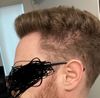
A 34-year-old male is experiencing hair loss on the sides of his head, with inflammation and itchiness, while the top remains thick. He is using topical dutasteride and keto shampoo to address the issue.
Microneedling combined with latanoprost may convert vellus hairs to transitional or terminal hairs. The user suggests using oral minoxidil to increase vellus hair, then applying a high concentration of latanoprost with microneedling for conversion.
Capilia Longa is considered as an alternative to Minoxidil for beard growth, with some users reporting positive results. However, concerns exist about its effectiveness and high cost, especially for scalp use.
Elevated PGD2 levels in bald scalp tissue may contribute to hair loss, and treatments like castor oil, finasteride, and minoxidil are discussed as potential solutions. Some users explore alternatives like oral castor oil and cetirizine for those who cannot use finasteride.
Many people become hyper-aware of hair loss in themselves and others, often leading to feelings of jealousy or self-consciousness. Treatments like finasteride, minoxidil, and dutasteride are commonly discussed as solutions to combat hair loss.
A 42-year-old male using Minoxidil since June reports hair regrowth and thickening, with additional improvements from vitamin supplements and stress-reducing medication. Suggestions include adding topical finasteride and microneedling for better results.
A new Latanoprost-based formula used by Hollywood celebrities to treat hair loss, with the formula containing minoxidil, tretinoin, melatonin, azelaic acid, zinc thymulin, vitamin B6, sandalore and methyl vanillate. It also mentions the potential of offering a combined sublingual minoxidil/oral dutasteride option in the future.
BionicBell discussed using Bimatoprost, a medication typically for eyelash growth, for hair loss and mentioned a compounding pharmacy that can mix it with other ingredients like minoxidil and finasteride. They are seeking advice on using topical finasteride for female pattern baldness and are considering a custom foam combination to maximize hair growth results.