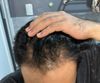
A user shared a 9-month update on hair loss treatment, reporting positive results from taking 1 mg of finasteride and 1.25 mg of minoxidil daily. The discussion includes varied experiences with these treatments, questions about side effects, and comments on the unpredictability of treatment effectiveness.
The conversation jokes about a well-preserved mummy having more hair than living people, with comments on male pattern baldness and humorous speculation on the mummy's hair loss treatment, possibly using Minoxidil and Finasteride.
The user has been using minoxidil twice daily for 2.5 months to treat hair loss and has seen great results, despite only microneedling once at the start. They occasionally forget a dose but it hasn't affected their positive outcome.
A user is considering starting spironolactone for hair loss without consulting a dermatologist, as previous dermatologists only recommended biotin, vitamins, or PRP. The user notes that spironolactone is affordable in their country.
The user noticed significant hair improvement in a month after stopping caffeine and regularly using minoxidil and a 0.05% finasteride with 6% minoxidil topical solution. They question if the changes are due to the end of shedding and the start of new growth.
A 20-year-old started using minoxidil, rosemary oil, Alpecin caffeine shampoos, scalp massager, derma rollers, and supplements for hair regrowth, seeing significant improvement initially. However, after 6 months, they noticed increased shedding and thinning, causing concern about whether this is normal or indicative of a problem.
A user discusses using dermastamping for hair loss and questions the timing of applying a mixture of peppermint oil, spearmint oil, rosemary oil, and castor oil due to their anti-inflammatory effects. They wonder if waiting 10 hours after stamping would be more effective.
A user shared their 3-month progress using finasteride, minoxidil, Pura D'or Shampoo, Nizoral, and vitamins. They reported improvement in their hairline and increased confidence, with hopes for further progress in the crown area.
The conversation discusses the impact of finasteride on sperm, including potential side effects like decreased ejaculate volume and total sperm count. Users share experiences and concerns about fertility tests before and after starting finasteride.
A user shared their 1.5-month progress using a routine of topical finasteride and minoxidil gel, minoxidil foam, microneedling, keto shampoo, and a multivitamin. They reported noticeable hair regrowth for the first time in a decade.
The conversation discusses whether dermarolling (microneedling) works with oral minoxidil for hair loss treatment. References to studies on microneedling alone and combined with minoxidil are provided.
The conversation discusses the anticipation for updates on GT20029, a potential hair loss treatment. Users also mention using Minoxidil, finasteride, and RU58841.
A 24-year-old male reported a 7-month hairline recovery using 0.5mg of dutasteride daily with no side effects. Another user suggested adding minoxidil to the treatment.
In the Czech Republic, doctors are largely unaware of hair loss treatments beyond minoxidil, and finasteride is hard to obtain. Many users suggest buying treatments like finasteride and minoxidil from other countries or online.
The user had a rough week after being told they couldn't get a hair transplant due to insufficient donor area and worsening balding. They were advised to increase their oral Minoxidil dosage and consider switching from Finasteride to Dutasteride.
A user shared progress pictures after 8 months of using topical 5% minoxidil and 0.01% finasteride, showing significant hair regrowth. Replies suggest the user might not need a hair transplant and recommend considering oral finasteride.
The user is struggling with the daily application of topical treatments like Minoxidil and melatonin for hair loss, concerned about the impact on hair cleanliness and texture. They are unsure how to manage the routine without washing their hair daily, which dries it out.
A user shared progress pictures after using finasteride and minoxidil for two years, showing significant hair improvement. The user started treatment at age 20 and reported no side effects.
The conversation discusses buying RU58841 directly from a Chinese supplier for cost savings. It mentions that companies like Anageninc and Actifolic do the same.
A 19-year-old with NW2-2.5 hair loss is starting finasteride soon, considering low dosages of 0.25mg daily or 0.5mg 3-5 times a week. They are also using derma stamping, ketoconazole shampoo, ACV washes, and various oils to maintain hair quality and reduce scalp itch.
The conversation is about hair regrowth progress using topical finasteride 0.1%, minoxidil 10%, ketoconazole shampoo, and weekly microneedling. The user plans to continue the treatment for another year to assess its effectiveness.
The user reported positive progress in hair growth after taking 5 mg of oral minoxidil daily and 2.5 mg of dutasteride three times a week, with noticeable changes in hair fullness and body hair growth. They experienced initial side effects at a higher dosage but reported no side effects at the current dosage and plan to continue updating their progress.
Microneedling's effectiveness for hair growth is debated, with some suggesting it enhances minoxidil absorption, but evidence is inconclusive. Concerns exist about its impact on hair transplants, and opinions vary on its use with other treatments like RU58841 and stemoxydine.
A 26-year-old male experienced significant hair regrowth after six months of using oral finasteride, with no side effects. He is considering adding oral minoxidil to his regimen but is cautious about potential side effects and plans to reassess after one year.
The user has experienced noticeable hair regrowth after 3 months using minoxidil daily, finasteride every other day, a derma stamp 2-3 times a week, and 2% Ketoconazole shampoo. They adjusted finasteride usage due to decreased libido and are nearing the end of the shedding phase.
The user is considering starting pyrilutamide before a scheduled hair transplant, having previously used oral minoxidil and finasteride with worsening results. They also tried dutasteride, which worsened their hair and made their skin oily.
Dermatologists often advise against at-home microneedling due to risks of scarring, infection, and improper technique. Professional guidance is recommended for safe and effective use, with some users reporting positive results when done correctly.
The conversation is about using GHK-Cu, a copper peptide, for hair loss treatment. Users discuss their experiences, dosages, and additional benefits like improved skin and energy.
The user is experiencing heavy hair shedding and a receding frontal area despite using finasteride and minoxidil. They are considering switching to dutasteride for better results.