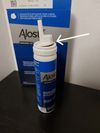
The conversation is about hair loss treatment using finasteride, ketoconazole, and sulfur soap, with consideration of starting dermastamp. The user prefers not to use minoxidil.
A double-blind clinical study that found ingestion of tocotrienols resulted in a 34.5% increase in hair regrowth compared to the placebo group, and discussion about potential side effects and cost of supplementation with vitamin E pills. The conversation noted that it may be more effective than commonly used treatments like minoxidil and finasteride.
The conversation discusses treatments for scalp inflammation, suggesting options like scalp massage, changing shampoos, using aloe vera, Tgel, nizoral shampoo, topical cetirizine, and consulting a dermatologist. Finasteride was mentioned as helpful for reducing inflammation, but with side effects.
Two Chinese suppliers provided legitimate RU58841, confirmed through a free drug testing service. The vendors were Shaanxi Greenyo Biotech and Lyphar, found on Made-in-China.
Clascoterone 5% topical solution shows promise for treating male-pattern hair loss by blocking DHT at the follicle without systemic absorption, potentially offering fewer side effects than oral treatments like finasteride. While results are promising, long-term safety and effectiveness need further study, and it may serve as a starting point for developing more effective treatments.
The conversation discusses hair loss treatments, specifically RU58841, with mentions of side effects from finasteride and dutasteride. Alternatives like Pyri, KX-826, and Breezula are also mentioned.
The conversation is about hair loss treatments, specifically discussing the use of Minoxidil, Finasteride, and RU58841. A user inquired about the availability of Winlevi (clascoterone) for hair loss.
The user experienced scalp irritation from a Finasteride and Minoxidil spray and serum. They are considering switching to foam, oral treatments, or another provider.
Parabens in Minoxidil are a concern for some users due to potential health risks. The conversation discusses the presence of methylparaben and propylparaben in a specific Minoxidil brand, Ylox.
The conversation discusses using isotretinoin (Accutane) to reduce scalp oiliness and manage scalp issues like seborrheic dermatitis, inflammation, and chronic itch. A user shares that taking 20mg of Accutane every other day effectively reduces oily hair and skin.
A user shared a list of natural supplements they tried that did not stop their male pattern baldness (MPB), including vitamin D, biotin, and various oils. The conversation includes skepticism and jokes about one of the methods, injecting jellyfish mucus into testicles, and mixed opinions on the effectiveness of natural treatments.
The user is exploring hair loss treatments in China, currently using finasteride and minoxidil, and is concerned about seborrheic dermatitis. Clinics are recommending selenium sulfide, doxycycline, and mesotherapy ampoules like PT88/PT66 or SP88/SP66, but the user is unsure about their effectiveness.
Minoxidil use may worsen seborrheic dermatitis, causing itching and dandruff. Users consider stopping minoxidil or switching to foam to improve scalp condition.
A user asked if microneedling, massages, and essential oils can prevent further hair loss in the crown area without using drugs. The response indicated that without a 5-alpha-reductase inhibitor, hair loss will likely continue.
The user is experiencing hair loss and plans to use a treatment protocol including Saw Palmetto Berries, MCT Oil, Zinc, testosterone balancers, L-tyrosine, and L-theanine. They also use a specific dandruff shampoo and are open to non-prescription treatments.
A user started using RU58841 for hair loss and experienced anxiety and physical discomfort. Other users suggested avoiding the treatment due to similar side effects and recommended alternative treatments like pyri.
The conversation is about creating a DIY topical finasteride solution using ethyl alcohol and propylene glycol. A user suggests using a compounding pharmacy instead.
Low oxytocin levels in hair are linked to reduced empathy and may affect hair growth. Cinnamic acid can promote hair growth by activating oxytocin receptors.
A user found a solution for Minoxidil-induced dandruff by using a custom NRF 11.121 mixture from a local pharmacy, which includes ingredients like Isopropyl palmitate and Cremophor RH 40. This formulation prevents dryness and allows better penetration when using hair shaders.
Some users report minor hair regrowth using natural treatments like peppermint oil, dermarolling, and lifestyle changes, but results are limited. Others find more success with treatments like minoxidil, finasteride, and nizoral, while some remain skeptical of natural methods.
Breezula (clascoterone) initially performed better than finasteride for hair loss but then effectiveness decreased almost back to baseline after 6 months, raising questions about its strength.
A compound called MTP3 from the Monoterpene family was found to be safe and highly effective at treating hair loss by inhibiting the FGF5 gene, but its identity is undisclosed for commercial reasons. No specific treatments like Minoxidil, finasteride, or RU58841 were discussed.
The conversation discusses using Morr F Aqua, an alcohol-free version of Minoxidil, for hair loss, particularly for someone with dandruff issues. The user is considering if this product is suitable for their condition.
The conversation discusses hair thinning potentially caused by seborrheic dermatitis, with the user considering over-the-counter treatments like Head and Shoulders, Selsun Blue, and Nizoral, while maintaining keratin-treated hair. A suggestion is made to use raw organic honey as a hair mask to treat seborrheic dermatitis without affecting keratin treatments.
Capilia Longa is considered as an alternative to Minoxidil for beard growth, with some users reporting positive results. However, concerns exist about its effectiveness and high cost, especially for scalp use.
Diluting finasteride in a Hims spray can be done using ethanol or propylene glycol to maintain the desired concentration without increasing minoxidil levels. This approach ensures the finasteride concentration is reduced to 0.025% without affecting the minoxidil strength.
The conversation discusses using natural alternatives like saw palmetto, pumpkin seed oil, pygeum, and nettle extract for hair loss, alongside treatments like nizoral, dermastamp, red light, and rosemary oil. Opinions vary, with some users skeptical about the effectiveness compared to finasteride, and concerns about potential side effects.
The post discusses a hair loss treatment regime using Nizoral, a laser helmet, dermaroller, bentonite clay mask with essential oils, and ketoconazole shampoo. The user avoids finasteride and minoxidil due to concerns about side effects and pet safety.