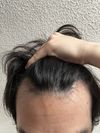
The user experienced reduced hair loss using an online serum but found it too expensive and is seeking a vendor for ptd-dbm. They are also interested in KY19382 but are unable to find it.
Minokem-N's composition is unclear, with concerns about unlisted hydrocortisone. Users discuss alternatives like AloATM, which lacks soothing agents, and the challenges of verifying ingredients.
Minoxidil is commonly used for male pattern baldness, but Procapil is considered to have fewer side effects and be more effective. The user seeks information or experiences regarding Procapil.
PP405 is a promising molecule that may reactivate dormant hair follicles, potentially offering a new treatment for hair loss. It is in phase 2 trials, with possible availability between 2027 and 2030.
The user experienced severe scalp itching and hair loss while on dutasteride, which they linked to caffeine and masturbation. They plan to cut out both to see if their hair density improves.
Eirion Therapeutics is recruiting for phase 1 of ET-02 in Texas, which showed promising hair growth results in non-clinical studies. ET-02 demonstrated significantly more hair growth compared to Minoxidil.
A study that outlines the full model for androgenic alopecia (AGA) which links DHT to cellular senescence in dermal papilla cells, and suggests black chokeberry as a source of cyanidin 3-O-arabinoside polyphenol with potential anti-oxidant properties that could reverse this process. The post encourages reaching out to experts in anti-aging and longevity to research treatments involving the polyphenol.
Stem cell-related treatments and drugs like RCGD423 and WAY are being tested for hair growth. Clinics are conducting tests on patients who haven't had previous treatments.
Hair loss involves more than just DHT, with genetic factors like TRPS affecting hair follicles. Treatments such as Amplifica's AMP-601 and AMP-303 target stem cells for potential hair growth solutions.
Clascoterone 5% topical solution is effective and safe for long-term use in treating male pattern hair loss. Cosmo Pharma aims for EU and US approval, with a potential US release in late 2027 or early 2028.
GHK-Cu peptide injections are discussed for hair growth, but users report mixed results and suggest focusing on DHT management first. Some users combine GHK-Cu with treatments like Minoxidil and Dutasteride, but emphasize its benefits for skin rather than hair.
The user is using oral minoxidil, ghk-cu, and HGH for hair regrowth, noticing small vellus hairs on the crown. They avoid traditional DHT blockers like finasteride due to side effects, despite skepticism from others about the effectiveness of ghk-cu.
A user with diffuse hair loss for a decade tried various treatments, including LLLT Helmet, supplements, topicals, and hair transplants. They found relief from scalp inflammation and itching using a topical solution made from crushed Xeljanz pills mixed with ethyl alcohol.
The conversation is about a user offering an unopened bottle of KX-826 (0.5%) for hair loss treatment, stating it works well for them. They are selling it at cost without seeking profit.
The conversation discusses hair loss treatments, specifically mentioning Minoxidil, finasteride, RU58841, and TB-500 Thymosin Beta-4. It critiques the credibility of biohacking claims.
HairClone is offering a Dermal Papilla Cell Hair Multiplication procedure in Guatemala, raising questions about its effectiveness and regulatory reasons for the location. Users express skepticism and curiosity about the treatment's success and potential costs.
High-dose Lysine and Histidine supplements caused curly/kinky hair and shedding due to Elastin dysfunction. Minoxidil, white tea, and dark grape juice were mentioned as treatments to inhibit Elastase and mimic Lysyl Oxidase.
User has itching, dandruff, and scalp issues, considering Nizoral 1% shampoo for treatment. Nizoral's effectiveness for hair loss is uncertain due to limited research, short contact time, and concentration differences.
People are discussing JXL-069 (PP405) for hair loss, with some experimenting with a 0.05% topical gel. Concerns about safety and efficacy persist due to limited testing and lack of official approval.
Cbum's hair transplant is criticized for looking unnatural and not blending well, with some suggesting better results were expected given his resources. Discussions also cover the effects of steroids and finasteride on hair loss and muscle growth.
The conversation is about a user assessing their hair loss as Norwood 1.5 and discussing their use of oral minoxidil and finasteride for 2.5 years, which improved their hair density. They are content with their current progress but hope to reach Norwood 1.
Hair loss discussion includes treatments like Minoxidil, finasteride, and RU58841. Conversation focuses on foods with sufficient procyanidin b2, such as dark chocolate and apples, and the required dosage.
The conversation discusses concerns about a new rule affecting orders of hair loss treatments like Minoxidil, finasteride, and RU58841. Users are worried about the impact on their ability to obtain these products.
Hair loss discussion with a focus on a single resilient hair, jokingly called "chad hair," that remains despite hairline receding. Some users suggest microneedling and hair follicle cloning as potential treatments.
Ell-Cranell and Eucapil are discussed as hair loss treatments, with Ell-Cranell being a weak estrogen and DHT inhibitor that may reduce hair loss without systemic side effects. Alfatradiol is the active ingredient in these products.
KOSHINE826 is a new anti-hair loss and hair growth solution that claims to effectively control oil, reduce hair fall, and promote real hair growth. It targets androgenetic alopecia by inhibiting DHT and has shown promising results in clinical trials.
Japanese scientists discovered ABM cells, enabling successful human hair follicle cloning, potentially curing hair loss. The treatment may be available in Japan by 2028, but it will be expensive and require travel.