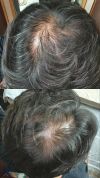
Dutasteride can drastically reduce sebum production, leading to dryer hair and shedding. Alternating shampoos and periodic silica supplementation can improve hair quality and thickness.
A user is using a trichosol-based minoxidil solution to avoid scalp irritation and is asking if it should smell like ginger beer. They like the scent and want to confirm they have the correct product.
Using a daily hair spray with 0.3% finasteride, 7% minoxidil, 2% ketoconazole, and biotin, along with a 1% ketoconazole shampoo once or twice a week, may be excessive according to the product's recommendations. The user is unsure about this regimen for treating androgenetic alopecia (AGA).
The conversation is about using ketoconazole shampoo for hair loss. Users suggest using it 2-3 times a week alongside other treatments like minoxidil and finasteride.
A 24-year-old male with crown thinning and an oily scalp is seeking advice on shampoo recommendations and whether to restart minoxidil or try a hair growth serum. He is concerned about daily shampooing and managing greasy hair.
Shampoos are not effective for stopping hair loss; treatments like minoxidil, finasteride, and dutasteride are more effective. Ketoconazole shampoo may help with scalp inflammation but not directly with hair loss.
The conversation discusses hair loss treatments, including finasteride, Nizoral shampoo, peppermint/castor oil with saw palmetto, and plans to start oral minoxidil. The user seeks advice on managing scalp buildup and flakiness from topical minoxidil, especially for curly hair, and considers using both oral and topical minoxidil.
A 25-year-old woman with androgenic alopecia is experiencing hair dryness and damage after using topical minoxidil and Nizoral. She is advised to reduce washing frequency, use a bond builder like K18, apply a silicone-based serum, and consider using a shower filter and different oils like argan oil for better hair health.
Sea salt spray may not be ideal for thinning hair, and alternatives like texture powder, thickening tonic, and styling clay are suggested for volume without damage. Some users recommend thickening sprays or mousse for a fuller appearance, while others suggest considering medication for hair loss.
The conversation discusses the effectiveness and safety of Amika Perk Up and Living Proof dry shampoos. The user seeks advice on whether dry shampoo alone is sufficient for hair care or if a hair dryer is also necessary.
The conversation is about finding a suitable hairbrush for diffuse thinning hair without causing separation or flattening. The user is using oral dutasteride, minoxidil foam, Nizoral, microneedling, and Pura D’or shampoo and conditioner.
The user is considering whether to add RU58841 or Nizoral shampoo to their current hair loss treatment of finasteride and minoxidil, noting budget constraints and concerns about hair dryness. They are unsure if RU58841 is worth adding or if they should use both treatments to see the effects.
The conversation discusses the safety and use of ketoconazole shampoo for hair loss, with mentions of zinc pyrithione and selenium sulfide. Users debate the safety of these ingredients, particularly zinc pyrithione, and share opinions on regulatory differences between Europe and the US.
Sulfur soap may help with hair thickening and reducing scalp inflammation, but it can cause dryness. Nizoral, containing ketoconazole, is noted for its potential to reduce seborrheic dermatitis but may also cause scalp dryness and hair loss.
A user reported hair thickening and a stronger crown after using rosemary shampoo for about a year, with progress pictures as evidence. Some commenters discussed the effectiveness of natural treatments versus pharmaceutical options like Minoxidil and Finasteride.
The conversation is about finding shampoos with Piroctone Olamine in the US for itch relief, as the user has not found relief with Keto shampoo, oral Dutasteride, and oral Minoxidil. Users suggest alternatives like Neutrogena T/Gel and online options, but note availability and price issues.
Nizoral 1% shampoo can be used continuously for hair loss, but it may cause dryness, which can be managed with conditioners. Some users combine it with other treatments like minoxidil and AHK-Cu for better results.
The conversation discusses the effectiveness of Urbanman Australia Hair Growth shampoo, which contains rosemary and castor oils, but likely in low concentrations. The shampoo may improve scalp condition but is not expected to significantly impact hair growth; it also contains caffeine and has antibacterial, antifungal, and antidandruff properties.
Salicylic acid in Nioxin shampoo may reduce minoxidil effectiveness by inhibiting sulfotransferase activity, potentially causing hair loss. Users suggest stopping salicylic acid use or trying alternative treatments like high-concentration tretinoin or medicated minoxidil/finasteride shampoos.
Shampoos, including those with ketoconazole, may offer mild benefits for hair health but are not effective for stopping hair loss or balding. Effective treatments for hair loss include finasteride and minoxidil, often used together, while shampoos are generally not on the scalp long enough to impact hair follicles significantly.
People discussed solutions for scalp itching related to hair loss, with treatments including finasteride, dutasteride, ketoconazole shampoo, and Alpecin Hybrid shampoo. Some users found relief by adjusting dosages of finasteride or switching to dutasteride, while others recommended specific shampoos or prescription options like olux foam.
A user is asking if a new hair product, Cypress Premium Vials Energy and Cypress Premium Shampoo Energy, could be dangerous or worsen their hair condition. The product contains various ingredients including water, alcohol, menthyl lactate, and several extracts.
Mixing ketoconazole 2% shampoo with coal tar and salicylic acid for seborrheic dermatitis is discussed, with users sharing experiences and alternative treatments like sulfur soap and scalp massage. Some users report success with these methods, emphasizing the importance of avoiding irritants and maintaining scalp health.
The conversation is about the potential format of Breezula, a hair loss treatment, and concerns that it might be greasy or sticky. Specific treatments mentioned are Minoxidil, finasteride, and RU58841.
The user started using ketoconazole shampoo and whey protein shakes and noticed increased hair shedding, seeking advice on whether these could be the cause. Another user shared their experience with hair loss after starting protein shakes and mentioned using finasteride, which eventually improved their hair condition.
The user started using minoxidil foam daily after two years on finasteride and is managing seborrheic dermatitis with antifungal shampoo. They seek advice on moisturizing products that won't worsen their condition, with suggestions including gentle shampoos and light ceramide serums.