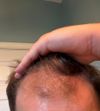
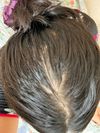
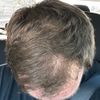
The user started dutasteride and oral minoxidil but saw no improvement in crown hair regrowth. Users suggest increasing the minoxidil dose and seeking a second opinion.
A user shared their 7-month hairline recovery using 1 mg finasteride and 5 mg minoxidil daily. They experienced significant hair growth, including unwanted facial hair, and discussed potential side effects and dosage adjustments with others.
The user achieved significant hair regrowth using oral and topical minoxidil, finasteride, microneedling, ashwagandha, and amla powder. They experienced some side effects like low libido from finasteride but reported no major issues with minoxidil.
The user is frustrated with hair loss despite using finasteride and is considering a hairpiece as a solution. Suggestions include trying a buzz cut, considering dutasteride or oral minoxidil, and addressing potential dietary issues.
A user is experiencing anxiety and insecurity about hair loss despite using finasteride for 19 months and oral minoxidil for 6 months. They are seeking advice on whether stress, scalp testosterone, or switching treatments could help, and are considering a buzzcut.
A user shares their hair loss treatment regimen, which includes oral finasteride, oral and topical minoxidil, RU58841, LLLT cap, microneedling, ketoconazole shampoo, biotin, vitamin D3, NAC supplement, MK677, collagen, and other hair care products. They seek opinions on its effectiveness.
Evidence-based treatments for androgenic alopecia, such as minoxidil, finasteride, low-level laser light therapy, dutasteride, platelet-rich plasma, and topical ketoconazole. It discusses the efficacy, safety, and mechanism of action of these treatments, as well as future developments in understanding this polygenic condition.
Low-dose daily aspirin reduces the effectiveness of topical minoxidil in treating androgenetic alopecia. Aspirin inhibits sulfotransferase enzymes, which are necessary for minoxidil to work.
OP is using oral 1mg finasteride, topical minoxidil, and microneedling twice a month at .75mm to regrow hair. They shared progress pictures over two months, noting they were bald for years before starting treatment.
Guyman567 has been using oral finasteride and topical minoxidil for years but continues to experience hair loss and thinning, which has affected his confidence. He has tried various treatments including topical finasteride, microneedling, and vitamins, and is considering a hair transplant but is concerned about ongoing hair loss.
A person using Minoxidil, Finasteride, Microneedling, and recently added Tretinoin is experiencing heavy shedding and thinning hair. They suspect Tretinoin has made them respond to Minoxidil and are seeking others with similar experiences.
User has been using topical finasteride and minoxidil since May, previously used a spray version since January. They are seeing vellus hairs and have added weekly microneedling to their routine.
A 23-year-old has been using topical minoxidil for 8 months and recently added finasteride for 1 month to address hair loss. They are also taking "Foilhair A" and have started microneedling.
A 23-year-old male experienced sudden hair loss over six months, losing about 30% of his hair. Treatments include 10% minoxidil, a hair spray, and a vitamin pill; opinions on the cause vary between normal hair loss due to deficiencies and male pattern baldness.
Clascoterone cream can be used on the scalp, but it may not be effective due to its dosage. AR antagonists like clascoterone are generally less effective than 5AR inhibitors for hair loss.
The user experienced significant hair regrowth and increased confidence after 8 months using 5mg Minoxidil, 1.1mg Finasteride, and 1mg Biotin, with no side effects. The user received many compliments on their thicker hair and plans to get a haircut.
A 19-year-old is experiencing rapidly progressing male pattern baldness and is unsure whether to start Minoxidil now or wait until they can access Finasteride. They currently use Ketoconazole shampoo and are concerned about the long-term commitment and potential shedding associated with Minoxidil.
A female user discusses hair loss possibly caused by wearing a hijab, considering treatments like derma stamping, hair serum, Nizoral shampoo, rosemary/castor oil, and possibly a hair transplant. Others suggest traction alopecia from hijab use and recommend consulting a dermatologist, with treatments like spironolactone and minoxidil.
The conversation discusses the positive effects of taking 5 mg oral minoxidil and 0.5 mg oral dutasteride every other day for hair loss, with one user reporting thicker beard and eyebrows and improved appearance. Another user expresses frustration about not being able to access the treatment in Germany, while a different user mentions experiencing no side effects.
An 18-year-old is considering using minoxidil for thinning hair at the corners and is cautious about starting finasteride. They are also seeking style advice, with suggestions that fringes can help cover thinning areas.
The user has been using oral finasteride and minoxidil, along with biotin, vitamin D3, collagen, and micro-needling, to address hair loss over six months. They experienced some shedding initially but have seen progress, with improved hair quality and reduced bald spots.
A user shared their positive experience with hair regrowth using minoxidil, hormone replacement therapy, and cyproterone acetate during their male-to-female transition. Another user discussed their successful hair transplant after transitioning and using finasteride, highlighting the challenges of hair loss and regrowth during transition.
A woman experiencing hair loss due to high testosterone and low vitamin D is using treatments like Dutasteride, Rogaine, zinc, ketoconazole shampoo, dermastamp, iRestore, multivitamins, scalp massager, and vitamin D. She plans to switch to oral Minoxidil under medical supervision.
The conversation is about a 25-year-old considering whether to start using hair loss treatments like Minoxidil, finasteride, or RU58841, or to shave his head. He is seeking advice due to his family history of baldness.
A user shared a 9-month hair loss treatment update using scalp micropigmentation (SMP), finasteride, minoxidil, derma pen, ketoconazole shampoo, and low-level laser therapy (LLLT), with plans for a hair transplant. Another person suggested increasing the dosage of finasteride and minoxidil and using a derma roller weekly.
The user is concerned about a receding hairline and is seeking advice on whether it can be saved. Treatments like Minoxidil, finasteride, and RU58841 are discussed as potential options.
The user started using topical and oral minoxidil in December 2024, added keto shampoo in February 2025, and began using a topical mix of dutasteride and minoxidil. The keto shampoo helped with scalp itchiness, but the hairline looks the same, and existing hairs appear frail and thin.
A user shared their 10-month hair loss progress using Propecia, oral minoxidil, and topical minoxidil. The results were highly praised, with requests for more details on dosages and routine.
Treatments for hair loss, such as topical minoxidil, platelet-rich plasma therapy with or without minoxidil, ketoconazole, non-abative radio frequency, natural products, finasteride and cortexolone 17 alpha propionate. The post evaluates the efficacy and safety of these treatments in various studies.
The user started losing their hair at 16 and got a hair transplant. They used Minoxidil and finasteride as treatments. The transplant has held up well and they have not experienced graft loss.