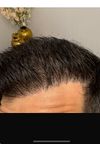
A hair transplant significantly improved the user's appearance, making them look younger. They consistently use oral finasteride and minoxidil, which may have contributed to the results.
A 28-year-old male shares his hair loss journey, starting with a hair transplant in February 2024 and using finasteride, later switching to dutasteride in January 2025. He has not used minoxidil and is satisfied with the results, despite some side effects like temporary nipple pain and a spike in libido.
A user shared their positive experience with a 2200 graft FUE hair transplant at DiStefano Hair Restoration in Worcester, MA, praising Dr. Heinis and his staff for their care. The user is also using oral Dutasteride, topical Minoxidil, and vitamins D and B.
A 42-year-old had 2,100 grafts transplanted to the frontal third of the scalp, using treatments like Dutasteride, oral Minoxidil, ketoconazole shampoo, dermarolling, and PRP. They plan to add RU58841 and have scheduled SMP to improve cosmetic results.
The conversation discusses switching from finasteride to dutasteride due to side effects, with some users experiencing fewer side effects on dutasteride. It also mentions using liposomal topical finasteride and ketoconazole shampoo as alternative treatments.
Minoxidil is highly toxic to cats and can be fatal with minimal exposure. Users suggest switching to oral minoxidil or taking precautions to prevent pet exposure.
The discussion focuses on hair loss treatments, with suggestions to increase oral Dutasteride to 1 mg or more, as topical Dutasteride is less effective. Other treatments mentioned include RU58841, Minoxidil, and dermastamping, with some users recommending injectable mesotherapy and topical Finasteride.
The user reported noticeable hair improvement after nearly two months using topical minoxidil twice daily, finasteride 1mg daily, and weekly microneedling, along with lifestyle changes like reducing alcohol consumption. They experienced minimal shedding and no significant side effects from finasteride.
Transplanted hairs are thinning after switching from topical to oral minoxidil, with increased shedding and miniaturization. The user is considering reintroducing topical minoxidil and has started using ketoconazole shampoo.
The user experienced significant hair improvement using 0.5mg Dutasteride and 2.5mg Minoxidil daily for 8 months, with no side effects reported. They noticed thicker, darker hair and increased density, and did not use topical treatments.
A user shared a 12-month update on their hair transplant, which involved 5700 DHI grafts and cost £4500 at Cosmedica. They also dyed their hair and beard, and users praised the impressive results, suggesting finasteride or dutasteride to prevent further hair loss.
A 37-year-old reported significant hair regrowth and increased confidence after two years of using oral finasteride and topical minoxidil, with no side effects. They are satisfied with the results and are reconsidering the need for a hair transplant.
The user experienced significant hair regrowth using finasteride, minoxidil, and a 4,000-graft hair transplant performed by Dr. Nader in Reynosa, Mexico. The results were natural-looking, and the user plans a second transplant for additional density if needed.
A 39-year-old male is experiencing hair regrowth after three months using 1mg oral finasteride daily, 5% topical minoxidil twice daily, dermastamping twice a month, and 2% ketoconazole shampoo weekly. He shares progress photos and receives encouragement and advice from others, noting some improvement and considering additional treatments but is limited by budget.
The user experienced redness and itching from using 5% minoxidil and is considering trying a lower dose or alternative treatments like 2% minoxidil, mesotherapy, PRP, or rosemary oil. They are seeking advice on managing side effects and exploring other options for hair stimulation.
A 28-year-old underwent three hair transplants totaling 11,102 grafts at Eugenix, using finasteride and minoxidil to manage advanced hair loss. Despite limited density, the results are satisfactory, allowing the individual to feel presentable without a hat.
Oral minoxidil combined with finasteride can improve hair density, but long-term safety is uncertain due to potential side effects like heart and kidney issues. Users report mixed experiences, with some experiencing side effects and others finding it effective for hair maintenance.
The conversation discusses using a 5% Topical Minoxidil with 0.01% Tretinoin serum for hair loss, noting its lack of propylene glycol to avoid itchiness and greasiness. Users share experiences with different Minoxidil formulations and discuss the effectiveness and stability of Tretinoin in various forms.
Exercise temporarily increases DHT levels, but this is unlikely to cause significant hair loss. Finasteride and minoxidil are effective treatments to manage hair loss.
A user is considering stopping hair loss treatments, including finasteride, dutasteride, and minoxidil, due to lack of progress after 16 months. They plan to continue until October and are seeking advice and experiences from others.
Men with hair loss might have lichen planopilaris (LPP), which can mimic androgenetic alopecia, leading to misdiagnosis and ineffective treatment with finasteride or dutasteride. Proper diagnosis, including biopsies, is crucial to distinguish between androgenetic alopecia and conditions like LPP.
The user had a hair transplant with 2000 grafts in the frontal and mid-scalp areas and has been using finasteride and minoxidil for 3 months. The crown area is expected to improve with continued treatment, and results are generally positive so far.
The user is experiencing white flakes and a greasy look from using a topical solution containing 0.025% finasteride, 8% minoxidil, 0.01% retinoic acid, and 1% hydrocortisone. Suggestions include reducing application frequency, using a brush to clean the scalp, and considering alcohol-free alternatives.
Use minoxidil and finasteride for 1-2 years to promote regrowth and stabilize hair loss before a transplant. Long-term use of these medications is needed to maintain results and prevent further loss.
The user experienced reduced hair fall with topical minoxidil and finasteride but no regrowth, and faced hormonal issues with oral finasteride. They are considering a hair transplant and exploring treatments like topical dutasteride, oral minoxidil, microneedling, and hair supplements.
Dutasteride mesotherapy is discussed as a hair loss treatment, with opinions on its effectiveness compared to oral dutasteride. The treatment is noted for being expensive, potentially painful, and more popular in Europe, with some users questioning its advantages over traditional methods.
A 29-year-old male with androgenic alopecia was treated with oral Dutasteride, oral Minoxidil, and injectable Dutasteride, showing progress in 9 months. Some users believe Dutasteride mesotherapy is unnecessary and question its effectiveness compared to topical applications.
A 24-year-old male experiencing hair loss has been using finasteride, minoxidil, and ketoconazole shampoo without progress. He is considering switching to oral minoxidil and dutasteride, exploring dermarolling, and eliminating dairy from his diet.
Hair loss treatments like finasteride, minoxidil, and dutasteride require patience, as they can take months or years to show results, with initial shedding being common. Consistency is key, and unnecessary supplements should be avoided to prevent stress and impatience from worsening the situation.