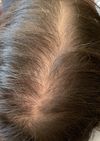
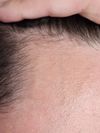
A 34-year-old man experienced hair loss during the COVID-19 pandemic and successfully treated it using minoxidil, reducing shampoo use, and taking fenugreek. He saw significant improvement within a few months and no longer appears bald.
The user shared progress on hair loss treatment between September and November using oral finasteride, topical minoxidil, dermarolling, a LaserComb, caffeine shampoo, Nizoral, scalp massages, and both oral and topical biotin. The conversation discusses the effectiveness of these treatments.
A 43-year-old male with advanced hair loss is experimenting with alternative treatments, including red light therapy, microneedling, scalp massages, an oil mix, and ketoconazole shampoo, after previously experiencing side effects from finasteride and minoxidil. He noticed some minor changes with red light therapy but remains skeptical about significant improvement.
The user has been using 1 mg finasteride, topical minoxidil twice daily, 1 biotin vitamin, and a 0.5 mm dermaroller for hair loss treatment since April. They've seen progress but experienced a shedding event in October, and are hoping for increased density in the coming months.
A 22-year-old experiencing intense hair loss across the scalp seeks advice, considering factors like nutrition and genetics. Suggestions include checking vitamin, mineral, and thyroid levels.
The user experienced significant hair density improvement over seven months using finasteride, topical minoxidil, Nizoral shampoo, and supplements like biotin and vitamin D. They also used a derma stamp with rosemary and peppermint oil, noting no side effects from finasteride.
The conversation is about hair regrowth using topical finasteride, minoxidil, and keto spray, along with oral Saw Palmetto, Lustriva complex, collagen, and microneedling. Users discuss their experiences with these treatments, noting improvements in hair density and color, with some experiencing mild side effects.
A user shared their 6-month hair loss treatment progress, which included 3200 FUE grafts, oral finasteride and minoxidil, keto shampoo, and biotin. The user also mentioned micro needling their temples for further growth and plans to observe the effects of finasteride and minoxidil over the next 6-12 months.
A 23-year-old male is experiencing rapid hair thinning and receding hairline, feeling emotionally drained. He has tried GFC, PRP, ketoconazole shampoo, and supplements without improvement and is considering minoxidil, finasteride, and possibly a hair transplant.
A 22-year-old male has been experiencing widespread hair loss for over four years, including pain and significant shedding. Treatments tried include ketoconazole shampoo, fluocinonide topical solution, biotin, ACV, and dry shampoo, but none have been effective.
User is experiencing severe hair loss despite using finasteride for 15 months, losing 500 hairs a day and 50% density since June. Minoxidil with needling was ineffective, and RU58841 is too expensive and hard to obtain.
The user "Bishiop" shared a progress update on their hair density and strength after adding Minoxidil to their routine. They are also using Finasteride and microneedling. They hope to fill in their hairline by the end of the summer.
A user shared 4-month progress pictures using a daily Hims fin/min/ketoconazole/biotin hybrid spray for hair loss, reporting positive results. Suggestions included adding microneedling to the routine.
The user is using a combination of hair loss treatments including finasteride, stemoxydine, oral minoxidil, RU58841, dermastamping, ketoconazole shampoo, collagen, Viviscal, and biotin, and has improved their diet. Despite these efforts, they are still experiencing hair shedding and scalp itchiness, and are considering increasing their minoxidil dosage or starting dutasteride.
The user shared their 18-month hair loss treatment progress, using finasteride three times a week, daily minoxidil, weekly vitamin D, and bi-weekly nizoral shampoo. They experienced initial shedding and greying, but are satisfied with the results.
A user reported that using 0.5 mg finasteride daily, biotin, Nizoral shampoo, and occasional castor oil scalp massages stopped their hair loss after six months. Another user expressed hope for similar results with castor oil.
The original poster found that using rosemary oil, peppermint oil, jojoba oil, oral castor oil, head massages, ketoconazole shampoo, omega-3 fatty acids, and a multivitamin reduced their hair loss from 150 to 50 hairs a day. Another person reported a significant drop in hair loss using a similar oil blend with additional ingredients.
A user shared their 10-month hair loss treatment progress using 1mg Fin, 2.5mg oral Min, Keto shampoo, dermastamping, and recently added Dut. Replies noted the user had great hair before and after treatment.
Low-Butterscotch-608's progress in treating their hair loss with finasteride and minoxidil over the course of two years, as well as opinions on whether they should consider a hair transplant to address further receding. Replies included advice about adding microneedling to the protocol.
The user is using finasteride, dutasteride, Nizoral, biotin, RU58841, minoxidil, Pantostin/Alfatradiol, Stemoxydine, and micro needling for hair loss. They are considering adding oral minoxidil.
The user is concerned about hair loss, particularly at the crown, and is using topical finasteride and ketoconazole shampoo but avoids minoxidil due to side effects. Opinions vary, with some suggesting the hair looks worse, while others see no change or slight improvement; additional treatments like oral finasteride and micro-needling are suggested.
The user is considering continuing minoxidil and microneedling, possibly adding low-dose topical finasteride, and undergoing a large FUE hair transplant to improve hair appearance. They plan to use hair fibers for added density, aiming for a convincing cosmetic look rather than full density.
A 31-year-old who experienced severe hair loss during medical school tried various treatments, including topical and oral finasteride and minoxidil, but stopped due to side effects. They restarted treatment 10 months ago with a regimen including topical finasteride, minoxidil, retinoic acid, hydrocortisone, oral minoxidil, and light therapy, emphasizing the importance of consistency and skincare.
A 25-year-old male has been treating hair loss for six months using 5% minoxidil once daily, 0.02% DIY topical finasteride once daily, and microneedling every two weeks. He reports increased hair density and some regrowth, particularly vellus hairs, and plans to continue the regimen, possibly adding oral finasteride in the future.
The user shared two-month results using a topical spray with 0.3% finasteride, 7% minoxidil, 2.2% ketoconazole, and 0.2% biotin, showing improvement in hair loss. The user also mentioned using hair fibers previously and dermastamping inconsistently.
A 41-year-old man experienced significant hair regrowth using topical finasteride (0.025%), minoxidil, microneedling every two weeks, and occasional Nizoral 2% shampoo. He advises against using creatine due to personal experience with increased hair shedding.
The user has been using finasteride, topical minoxidil, microneedling, red light therapy, ketoconazole shampoo, vitamin supplements, and scalp massages for hair loss since February 2025. They report stronger, thicker hair but are experiencing shedding and are considering increasing finasteride dosage or adding oral minoxidil.
A user shares their hair loss treatment regimen, which includes oral finasteride, oral and topical minoxidil, RU58841, LLLT cap, microneedling, ketoconazole shampoo, biotin, vitamin D3, NAC supplement, MK677, collagen, and other hair care products. They seek opinions on its effectiveness.