People are discussing the effectiveness of Breezula for hair loss maintenance. Some individuals are using Breezula alone, avoiding finasteride, and one plans to use Breezula after a hair transplant.
A peptide-based delivery system for finasteride shows promise in reducing systemic side effects while maintaining hair growth effectiveness. Combining this with other treatments like minoxidil and RU58841 could enhance results with lower systemic absorption.
User ItchyRaccoon experienced significant hair loss reduction using Eucapil after trying low-dose topical finasteride with no results. Some replies mention that shed hair counts are not reliable indicators of hair loss progression or regression.
OP is considering using a keratin gel to improve hair quality and is concerned about its safety and visual impact on a slightly balding crown. Users discuss shampoo frequency, with some suggesting less frequent use for better hair health, but OP prefers regular shampoo and conditioner for silky hair.
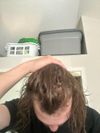
The user has been using finasteride, minoxidil, microneedling, and supplements like biotin, zinc, and D3 for hair regrowth. They shared photos from March 2024 and today to show progress.
The user started using a hair loss treatment regimen including 5% minoxidil spray twice daily, 1% finasteride spray once daily, microneedling weekly, and ketoconazole shampoo twice a week, experiencing significant hair shedding. The shedding is seen as a positive sign, indicating hair follicles are entering a new growth phase.
The user experienced a receding hairline and tried minoxidil, which may have slowed the process but caused puffy eyes. They are hesitant to use finasteride and suspect oily dandruff might be an aggravator.
The user is experiencing diffuse thinning and inflammation despite using 2.5mg dutasteride daily, ciclopirox, and ketoconazole shampoos. They are considering treatments like hydroxychloroquine and JAK inhibitors due to suspected scarring alopecia and have faced challenges in obtaining a scalp biopsy.
The user is considering using Tretinoin every other day alongside daily Minoxidil to manage hair loss and is concerned about inconsistent absorption affecting regrowth. They have noticed a significant reduction in shedding but are unsure if it's due to Tretinoin or the end of the Minoxidil/finasteride shedding phase.
A 27-year-old male is using a minoxidil and finasteride spray for hairline recession and is considering other treatments like oral minoxidil, exosomes, PRP, or a hair transplant. Suggestions include microneedling, possibly with tretinoin, while another user suggests the hairline is fine and mentions body dysmorphia.
Increased scalp itching during shedding phases while on finasteride treatment may coincide with hair regrowth and recovery. This suggests that itching might not always indicate continued hair loss and could encourage persistence with the treatment.
After 8 months of using topical finasteride, hair miniaturization continues, raising concerns about its effectiveness. Microneedling is suggested as a possible complementary treatment.
Lichen Planopilaris (LPP), a form of permanent hair loss, which can be mistaken for seborrheic dermatitis and is characterized by scalp itching, burning, redness, and dandruff. Treatment options discussed include steroidal creams, finasteride, minoxidil, and RU58841.
Blocking DHT is not a cure for hair loss; instead, altering how scalp follicles respond to DHT might be more effective. Current treatments like topical finasteride and minoxidil are temporary solutions, and future approaches may involve gene therapy and bioengineering to change follicle behavior.
A user experienced extreme hair growth on their hairline and temples using natural remedies like onion juice, nail rubbing, more veggies and fruits, less carbs, jojoba oil, and dermarolling. They did not use Minoxidil, finasteride, or any prescription drugs.
The user experienced stable hairline but diffuse thinning after switching from oral finasteride to a topical solution of minoxidil and finasteride. They are concerned about the effectiveness of the topical treatment and are considering other options due to a recent decline in hair density.
The conversation is about hair loss and the effectiveness of treatments like finasteride, with one user expressing satisfaction after seeing hair regrowth on CCTV. Other users share their experiences with hair visibility and discuss the effectiveness of finasteride compared to dutasteride.
The conversation discusses hair loss treatments, specifically using topical minoxidil, oral finasteride, ketoconazole, and derma stamping. Users share their experiences, with one noting improved scalp health and slight regrowth, while another considers switching treatments due to lack of progress.
The conversation is about a user's four-month progress using finasteride, minoxidil, and weekly dermastamping for hair loss. People occasionally notice improvements in the user's hair.
The conversation discusses hair loss treatments, specifically Minoxidil, finasteride, and RU58841. It mentions a CEO becoming the first patient for HairClone.
Microneedling for hair loss, with concerns about cost and conflicting information on protocols. The user is unsure about purchasing and reusing microneedling stampers.
PTD-DBM is being explored for hair regrowth by targeting CXXC5, with clinical trials expected after pre-clinical studies. Users express anticipation and skepticism about its effectiveness.
Intense microneedling with heavy pressure and bleeding did not improve hair growth after 4 months. The user advises against this method, noting no benefits and potential harm, and mentions using minoxidil without success.
Adding creatine while using finasteride and minoxidil caused skin irritation and hair thinning. Creatine may affect DHT levels, leading to these issues.
A trans woman is using finasteride, minoxidil, microneedling, and HRT to address hair loss, with noticeable improvement in hairline shape and presence of vellus hairs. She is considering hair transplants if these treatments don't yield desired results within a year or two.
Hair loss discussion includes treatments like Minoxidil, Finasteride, and RU58841. Conversation highlights double standards with hair fibers and women's wigs/makeup/extensions/eyelashes.
The conversation discusses hair loss treatments, including finasteride, microneedling, minoxidil, and PTD-DBM. The user has not noticed significant regrowth and is considering cost-effective options like valproic acid.
Hair loss treatments include finasteride, minoxidil, and scalp exercises. Opinions vary on the effectiveness, with some attributing hair loss to muscle tension and inflammation, while others focus on genetics and DHT.
A user with PCOS experienced hair loss and found success using a triple dose of O.N.E Omega by Pure Encapsulations after discovering low Omega fatty acids. Biotin provided minimal improvement, but the Omega supplement significantly restored hair.
The user is experiencing white flakes and a greasy look from using a topical solution containing 0.025% finasteride, 8% minoxidil, 0.01% retinoic acid, and 1% hydrocortisone. Suggestions include reducing application frequency, using a brush to clean the scalp, and considering alcohol-free alternatives.